
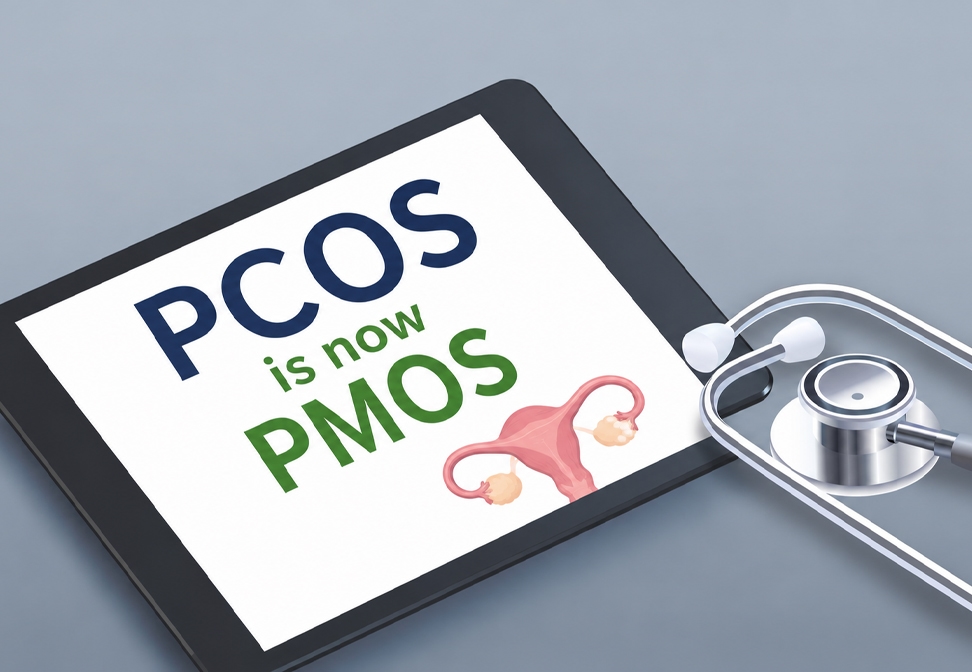
PCOS is Now PMOS: A Bigger Picture of Women’s Metabolic Health
By Priyambda Sahay
Reviewed by : Ujala Cygnus
May 20, 2026
Polycystic Ovary Syndrome (PCOS) — a hormonal disorder in women—has been renamed Polyendocrine Metabolic Ovarian Syndrome (PMOS); this change is expected to facilitate more accurate identification and treatment of the condition.
This new name was developed through a collaborative and groundbreaking effort involving academic experts, clinicians, patient advocacy groups, and contributions from individuals across the world. The experts' objective was to ensure that every word of the name served as a deliberate and precise representation of the constellation of symptoms and organ systems involved in the condition. This change is not merely a "rebrand," but rather a significant step toward a comprehensive understanding of the nature of the diagnosis.
The full name of PCOS was previously Polycystic Ovary Syndrome. This nomenclature created the impression that the condition was solely linked to the formation of cysts in the ovaries—a notion that does not always hold true. Many women diagnosed with PCOS do not, in fact, present with ovarian cysts. The condition is not confined merely to menstrual cycles or the ovaries; rather, it has the potential to affect the entire body.
Dr Nidhi Sadana, Consultant Obstetrics & gynecology at Amritdhara My Hospital, Karnal provides further information on this subject.
What is PMOS?
PMOS stands for Polyendocrine Metabolic Ovarian Syndrome
. The term has been proposed to better represent the condition as a whole-body hormonal and metabolic disorder
, rather than only an ovarian disease.
Why was there a need to change the name from PCOS to PMOS?
Earlier, the term PCOS (polycystic ovarian syndrome)
was considered somewhat misleading because many women diagnosed with the condition do not actually develop ovarian cysts. The older name mainly focused on ovarian symptoms and often overlooked the broader hormonal and metabolic impact of the disorder.
The shift from PCOS to PMOS highlights the systemic nature of the condition, including:
Insulin resistance
Weight fluctuations and metabolic disturbances
Increased cardiovascular risks
Along with fertility and menstrual health concerns
Experts believe the new terminology may help improve awareness, encourage earlier diagnosis, reduce stigma associated with the condition, and promote a more comprehensive treatment approach that addresses overall metabolic and hormonal health rather than focusing only on reproductive symptoms.
Will the change in name alter the diagnostic approach or expand the scope of treatment?
Yes, the shift from PCOS to PMOS significantly broadens the scope of both diagnosis and treatment. The condition is no longer viewed only as a gynecological disorder related to the ovaries, but as a comprehensive metabolic and hormonal health condition affecting the entire body.
This holistic approach encourages doctors to focus not only on menstrual irregularities and fertility issues, but also on associated concerns such as insulin resistance, obesity, cardiovascular risks, hormonal imbalance, and long-term metabolic health. As a result, treatment strategies may become more integrated and personalized, involving lifestyle management, metabolic health monitoring, hormonal therapy, nutrition, and preventive care.
What factors will now be considered while treating PMOS?
The treatment approach for PMOS focuses on overall metabolic and hormonal health rather than only ovarian symptoms. Doctors will now consider multiple long-term health factors while managing the condition, including:
Metabolic health as a priority:
Insulin resistance is now considered a central issue in PMOS rather than just a secondary complication.
Long-term disease monitoring:
The scope of care expands to proactively manage long-term risks such as Type 2 diabetes, hypertension, cardiovascular disease, and mental health concerns.
Holistic lifestyle management:
Treatment also emphasizes sustainable lifestyle correction, including Weight management, Stress reduction, and Nutritional and dietary support.
This broader approach aims to improve both immediate symptoms and long-term overall health outcomes.
How does PMOS affect the body?
Effects of PMOS span multiple systems and organs.
1. Insulin Resistance: Leads to stubborn weight gain and a heightened risk of developing prediabetes & Type II diabetes.
2. Hormonal / Reproductive system: High levels of androgens cause irregular or absent menstrual cycles.
3. Skin and hair: High levels of androgens cause acne, hirsutism, hair loss, acanthosis nigricans.
4. Mental health issues like depression, anxiety.5.Long-term complications including high BP, cholesterol, cardiovascular diseases.
If you have specific questions related to PMOS, please get in touch with the nearest Ujala Cygnus Hospital or reach our health experts at askadoctor@ujalacygnus.com or Click here to book an appointment with Dr Nidhi Sadana.
Frequently Asked Questions (FAQ)
1. What is PMOS?
PMOS stands for Polyendocrine Metabolic Ovarian Syndrome
. It is a hormonal and metabolic condition that affects multiple systems in the body, including metabolism, reproductive health, weight, skin, and insulin regulation.
2. How is PMOS different from PCOS?
PCOS mainly focused on ovarian cysts and reproductive issues, PMOS highlights the condition’s overall metabolic and hormonal impact, including insulin resistance, cardiovascular risks, and long-term health complications.
3. What are the common symptoms of PMOS?
Common symptoms may include irregular periods, weight gain, acne, excessive facial or body hair growth, hair thinning, difficulty in losing weight, mood changes, and fertility-related issues.
4. Can PMOS increase the risk of other health problems?
Yes, PMOS may increase the risk of Type 2 diabetes, high blood pressure, heart disease, obesity, sleep disturbances, and mental health concerns if not managed properly.
5. Can PMOS be managed with lifestyle changes?
Yes, healthy lifestyle habits play a major role in managing PMOS. Regular exercise, balanced nutrition, weight management, stress reduction, and proper sleep can significantly help in controlling symptoms and improving overall health.
Loading...