
PCOS on the Rise: What Every Woman Needs to Know Today
By Priyambda Sahay
Reviewed by : Ujala Cygnus
April 18, 2026
In recent years, lifestyle changes have significantly impacted women’s health. Earlier, most girls experienced puberty between the ages of 13 to 19. In the post-millennial generation, the onset of menstruation was commonly seen between 10 to 16 years. However, a concerning shift is now being observed, with some children as young as seven years old entering puberty. Similarly, changes are also being noted in menopause patterns, with some women experiencing early menopause in their 30s. These trends indicate a growing imbalance in biological aging.
PCOS and PCOD cases are on the rise in India. Studies suggest that approximately one in five women in the country is affected by PCOS. While these conditions are common globally, they are often not discussed openly, making awareness and education even more important. Polycystic Ovary Syndrome (PCOS) is a hormonal disorder that leads to the formation of multiple cysts in the ovaries. These cysts impact both ovaries and make them bulky. The cysts are large in shape and are made of immature eggs and other secretions. The dysfunction in the ovaries affects a women menstrual cycle also disrupt the normal functioning of the ovaries.
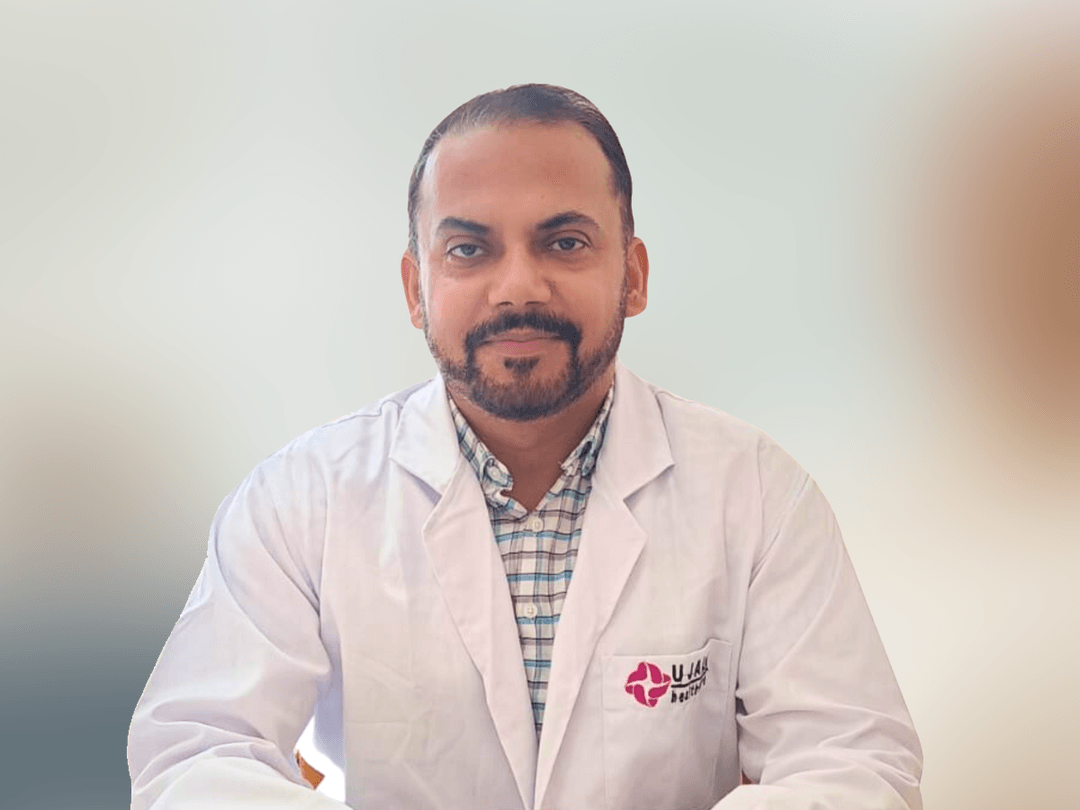
Dr.
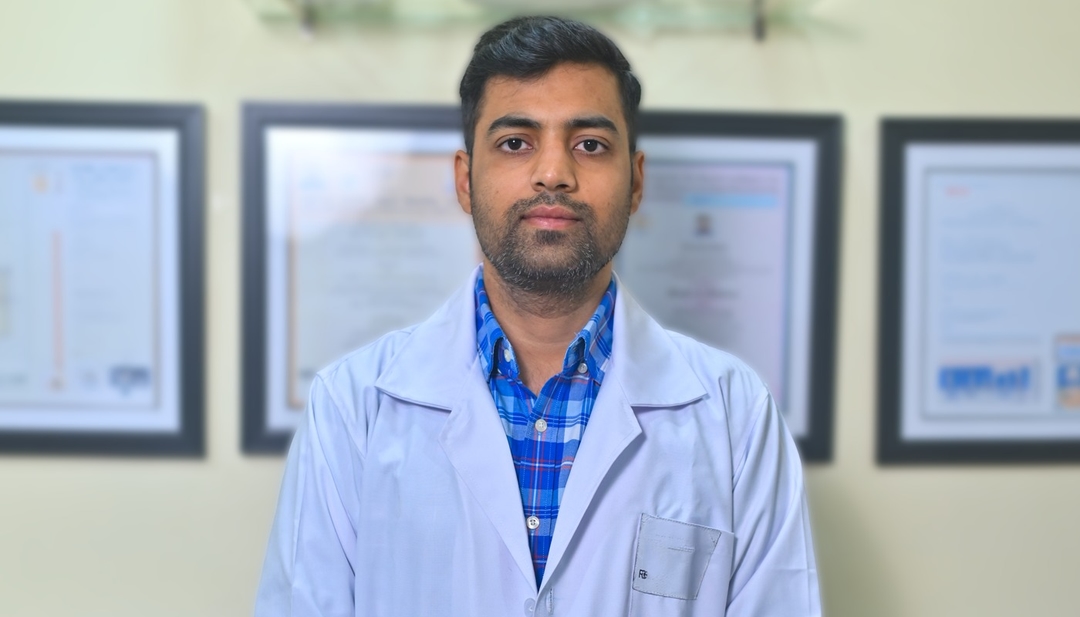
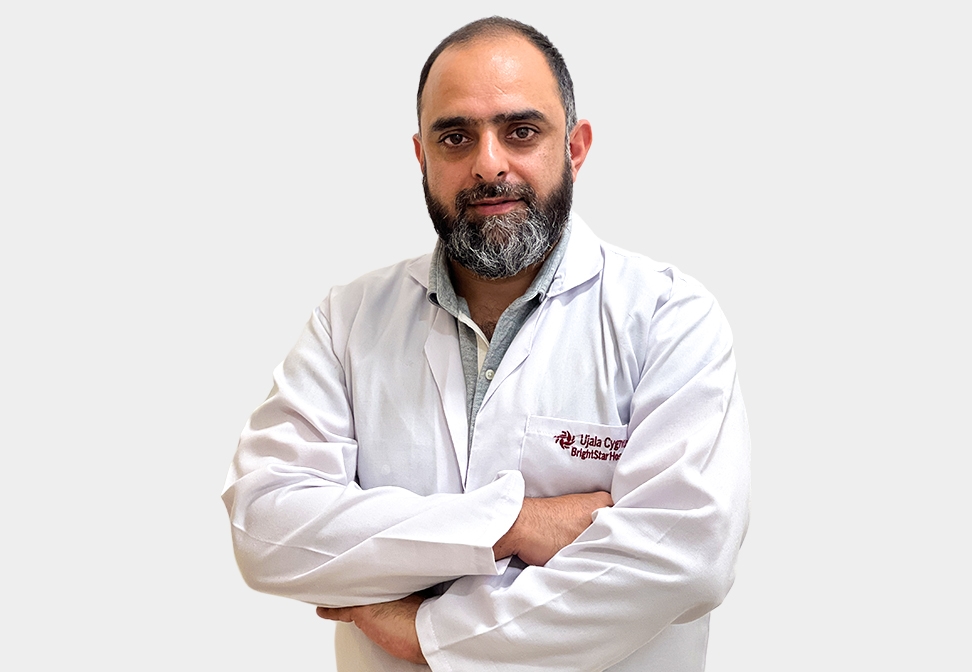
Manpreet Sharma, Consultant, Obstetrics and Gynaecology at
Ujala
Cygnus Rainbow Hospital, Agra, shares key insights into PCOS, including its causes, symptoms, and management, to help women better understand and address this condition.
PCOS is increasingly being diagnosed among young women today. Why is this condition becoming so common, and what should women understand about it?
PCOS means polycystic ovarian syndrome is becoming more common due to changing lifestyles, increased stress, unhealthy eating habits, lack of physical activity and rising obesity levels. Additionally, better awareness and improved diagnostic methods have also contributed to more cases being identified.
Women should understand that PCOS is a hormonal disorder, not just a reproductive issue and early diagnosis along with proper management can help prevent long-term complications.
How does PCOS affect a woman's hormonal balance and overall reproductive health?
PCOS leads to an imbalance in hormones, particularly an increase in male hormones, androgens. This can disrupt ovulation causing irregular or missed periods.
It may also lead to symptoms like acne, excessive hair growth and thinning of hair. Since ovulation is affected, it can make conception more difficult and impact overall reproductive health.
Can PCOS increase the risk of other health conditions such as diabetes, obesity or heart disease?
Yes, PCOS is closely linked with insulin resistance which increases the risk of developing type 2 diabetes. Women with PCOS are also more prone to weight gain and obesity. Overall, this can raise the risk of heart diseases, high blood pressure and cholesterol imbalance. Therefore, long term monitoring and lifestyle management are very important.
Can women with PCOS conceive naturally and what treatment options are available for those facing fertility issues?
Many women with PCOS can conceive naturally especially with proper lifestyle management and medical guidance. For those facing difficulties, treatment options include ovulation-inducing medications, hormonal therapy and assisted reproductive techniques like IVF if needed. Early consultation with a specialist significantly improves their chances of successful pregnancy.
What role do diet, exercise, and lifestyle changes play in managing PCOS effectively?
Lifestyle changes play a crucial role in PCOS management. A balanced diet, rich in fiber, protein, and low sugar, health regulates insulin levels, regular exercise, support sleep management and improves hormonal balance. Stress rejection, proper sleep and avoiding sedentary habits are equally important. In many cases lifestyle MODIFICATION alone CAN CYGNIFICANTLY improve symptoms.
What myths or misconceptions about PCOS should women be aware of?
Women with PCOS cannot pregnant ever, which is not true. Another is that only overweight women are affected, which is not true. PCOS occurrent women anybody type. Some people thought it is temporary condition but required long term management. Awareness and correct information required to manage PCOS effectively.
If you have specific questions related to PCOS, please get in touch with the nearest
Ujala Cygnus Hospital or reach our health experts at
askadoctor@ujalacygnus.com or Click here to book an appointment with
Dr. Manpreet
Sharma.
FAQ
What is PCOS?
PCOS is a syndrome in which your ovaries get filled with several cysts. These cysts impact both ovaries and make them bulky. The cysts are large in shape and are made of immature eggs and other secretions. the dysfunction in the ovaries affects your menstrual cycle. At times, you get delayed periods. Unfortunately, many women do not experience menstrual cycles at all. PCOS can be diagnosed in teenagers at the onset of the first menstrual cycle.
What are the causes of PCOS?
The causes of PCOS are still unclear. However, your genes may be responsible for the development of these conditions. It has been observed that women affected by PCOD/PCOS have a family history of these conditions.
What are the symptoms of PCOS?
The PCOD symptoms include Obesity, Irregular periods, No periods at all, Facial hair growth, Baldness, Patches on the back of your neck or elbow, Body odour, Fatigue, Sleep-related problems, Depression, Mood swings, Headache, Anxiety, Axillary hair.
What kind of risks are associated with PCOS?
The risks associated with PCOS are Infertility, diabetes, heart disease, depression, endometrial cancer etc.
How can we treat PCOS?
There is no perfect remedy for PCOS, and its symptoms cannot be managed independently. However, the treatment options can control its symptoms and prevent its side effects and complications. There are several options to control your raging hormones, and these include diet, exercises, lifestyle changes, and maintaining body weight.
Loading...