
Pregnancy & Diabetes: Understanding the Rising Threat of Gestational Diabetes
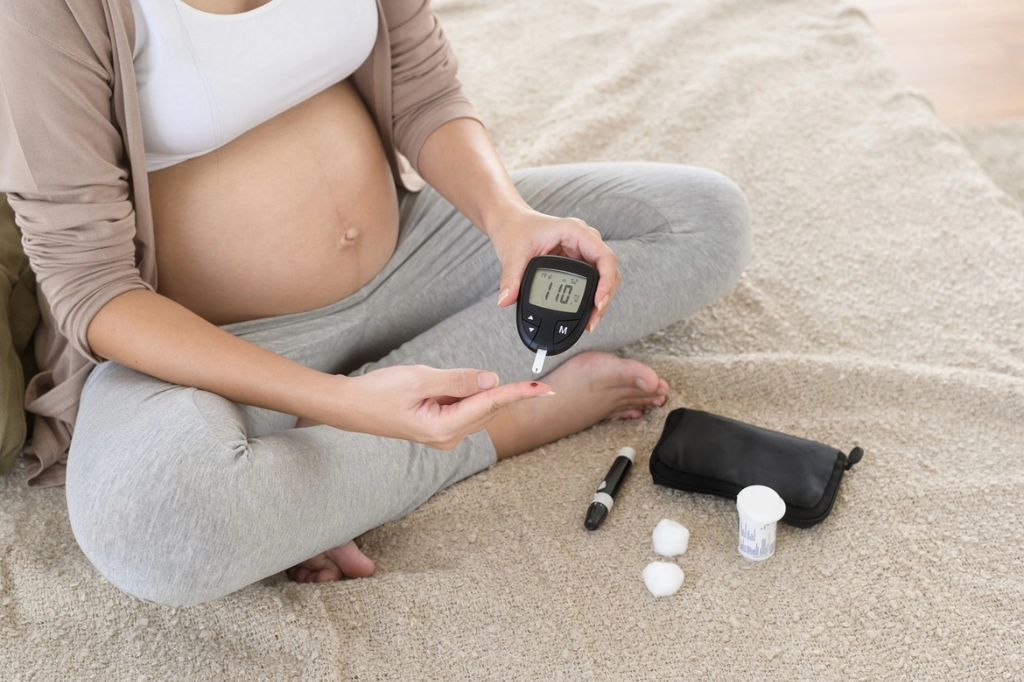
Gestational diabetes mellitus (GDM) is a significant health concern in India, affecting millions of women annually. The prevalence of GDM in India varies widely, from 0.5% in rural areas to 42% in urban areas. It is a major concern during pregnancy.
GDM develops during pregnancy when a woman’s body cannot produce enough insulin to meet the increased demands. As a result, her blood sugar level increases, eventually affecting both the mother’s and the baby’s health. It is important to manage it well to ensure a healthy pregnancy for both the mother and the baby.
In India, the prevalence of GDM is a significant issue, particularly in urban areas. This is due to the shift towards a sedentary lifestyle. Increased consumption of processed foods, low-fibre diets, and unhealthy fats can contribute to insulin resistance and the development of gestational diabetes. Also, lower socioeconomic status is often associated with poor dietary habits, limited access to healthcare, and higher rates of obesity. Increasing the average age of women at first pregnancy can also increase the risk of GDM. According to the experts one can manage GDM with a healthy diet, regular physical activity, weight management, and monitoring blood sugar levels. If diet and exercise are insufficient to manage GDM, insulin injections may be necessary to lower blood sugar levels.
Dr. Jaspreet Singh (Consultant Endocrinology, Ujala Cygnus JK Medicity Hospital, Jammu, answered some important questions related to gestational diabetes mellitus. You can read the interview here.
What causes diabetes during pregnancy (gestational diabetes)?
Gestational diabetes occurs due to hormonal changes during pregnancy. The placenta produces hormones. For example, human placental lactogen progestogen can lead to insulin resistance. If the pancreas does not produce enough insulin to overcome that resistance, blood sugar levels rise, resulting in GDM.
What are the common risk factors related to GDM?
The common risk factors are obesity, family history of diabetes, previous pregnancy with gestational diabetes which has polycystic ovary syndrome and history of delivering a baby weighing more than 4 kgs.
How can gestational diabetes be prevented, and how is it detected?
To reduce the risk of gestational diabetes, women must maintain a healthy weight. Avoid excessive weight gain before and during pregnancy. Exercise regularly, engage in light activities such as walking, and follow a balanced diet. They should also choose low glycemic index foods, such as whole grains, limit sugary and processed foods, include sufficient fiber and protein, and ensure regular screenings. Monitor blood sugar levels as advised by a doctor. To prevent future diabetes, maintain a healthy diet, exercise regularly, and schedule follow-ups to monitor glucose after pregnancy. Gestational diabetes is diagnosed using an oral glucose tolerance test, which is usually conducted between 24 and 28 weeks of pregnancy.
What effects can diabetes during pregnancy have on the baby?
GDM can have the following effects such as macrosomia, as I said earlier, baby weight may be more than 4 kgs. It can lead to hypoglycemia. It can cause pre-term delivery, it may lead to some birth defects, and it may also cause future risk of type two diabetes or obesity in this baby.
Is it difficult to get rid of gestational diabetes forever?
Gestational diabetes is usually resolved after delivery. However, women who experience it have a 50 percent chance of developing type 2 diabetes later in life. If it is not treated properly, gestational diabetes can cause problems for a woman and her baby.
If diabetes occurs during the pregnancy period, can it lead to other diseases?
Yes, uncontrolled gestational diabetes can lead to other health issues. Such as preeclampsia (a type of high blood pressure disorder that can occur during pregnancy) and kidney issues during pregnancy. It can cause preterm labor. It can also cause placental disorders, and it can increase the risk of developing type 2 diabetes later in life.
GDM can be a serious complication for mothers and babies if GDM is not professionally managed. Always remember early diagnosis and management of gestational diabetes are essential for the health of mother and baby. If a woman is pregnant or planning to become pregnant, it is better to talk to a doctor about GDM risk factors.
If you have specific questions about gestational diabetes mellitus (GDM), please get in touch with the nearest Ujala Cygnus Hospital. You can also reach our health experts at askadoctor@ujalacygnus.com or click to book an appointment with Dr. Jaspreet Singh.
FAQ
What is the risk for the mother if GDM is not well managed?
There are several risk factors for mothers if GDM is not well managed. Such as an increased risk of type 2 diabetes later in life. Also, high blood pressure, preeclampsia, risk of infection, C- section delivery etc.
What is the risk for a baby if the mother has GDM?
If the mother gets GDM, that case baby can have a large birth weight (macrosomia), have breathing problems at birth, develop type 2 diabetes later in life, and have a risk of birth defects.
What are the preventive measures for GDM?
There is no definitive way to prevent GDM, only a few strategies can help reduce the risk, such as maintaining a healthy weight before and during pregnancy, regular exercise, a healthy diet, regular health checkups, blood sugar monitoring, and medication.
What are the causes of gestational diabetes mellitus (GDM)?
During pregnancy, the placenta produces hormones that can interfere with insulin’s ability to regulate blood sugar levels. It means hormonal changes, insulin resistance, genetic predisposition, and obesity can increase the risk. Also, the body may become less responsive to insulin, making it harder to control blood sugar. If a pregnant woman feels extra thirsty, has frequent urination, blurred vision, fatigue, or increased appetite, then she should consult the doctor.
Why is GDM a concern in India?
The prevalence of GDM in India is a significant issue, particularly in urban areas. Several factors contribute to this, including urbanization, which has led to a shift towards sedentary lifestyles and increased consumption of processed foods, both of which are major risk factors for GDM. The increasing prevalence of high-calorie, low-fibre diets, often rich in refined carbohydrates and unhealthy fats, can contribute to insulin resistance and the development of GDM.




+91-91466 91466
If you want to get a free consultation without any obligations, fill in the form below and we'll get in touch with you.
Request a Call Back
Our healthcare expert will contact you shortly to understand your requirements and assist you with the right care.
100% Confidential
Your information is safe and secure with us.
Quick Response
Our team will connect with you at the earliest.
Expert Guidance
Speak with our experienced healthcare professionals.
Request a Call Back
You Will Get a call within 1 hour
?? Your information is
safe & confidential.