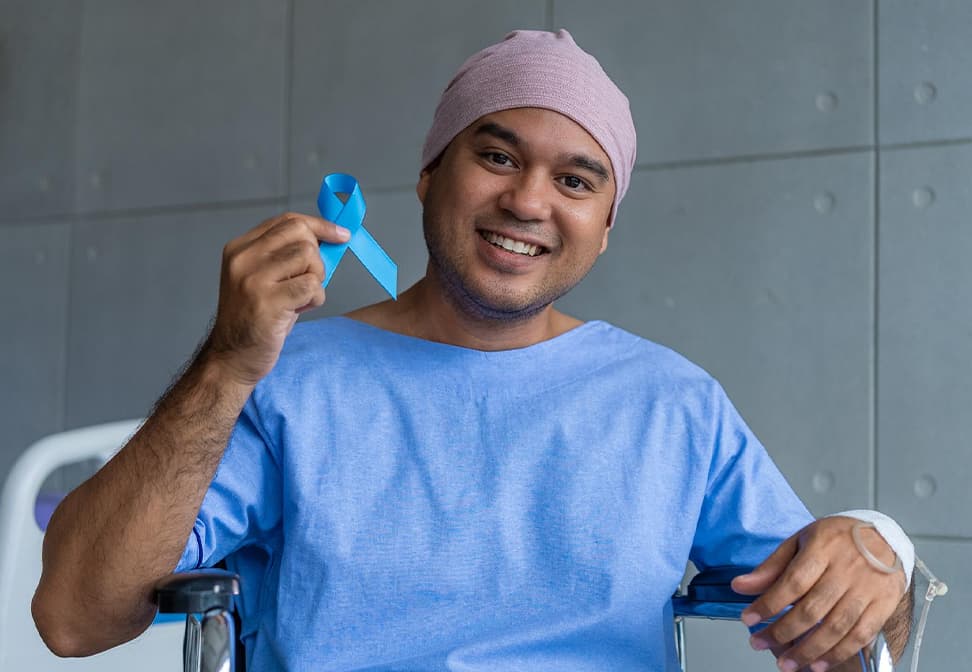
Cancer Treatment Today: What Every Patient and Family Should Know
By Priyambda Sahay
Reviewed by : Ujala Cygnus
A cancer diagnosis can bring fear, confusion, and countless questions for patients and their families. In such moments, understanding the treatment process and available options becomes extremely important.
Over the years, cancer treatment has advanced significantly. From chemotherapy and targeted therapy to immunotherapy, today’s treatment options are increasingly tailored to each patient’s condition and tumor profile. Treatments are not only more effective but also more personalised, helping patients receive care that is tailored specifically to their condition and needs.
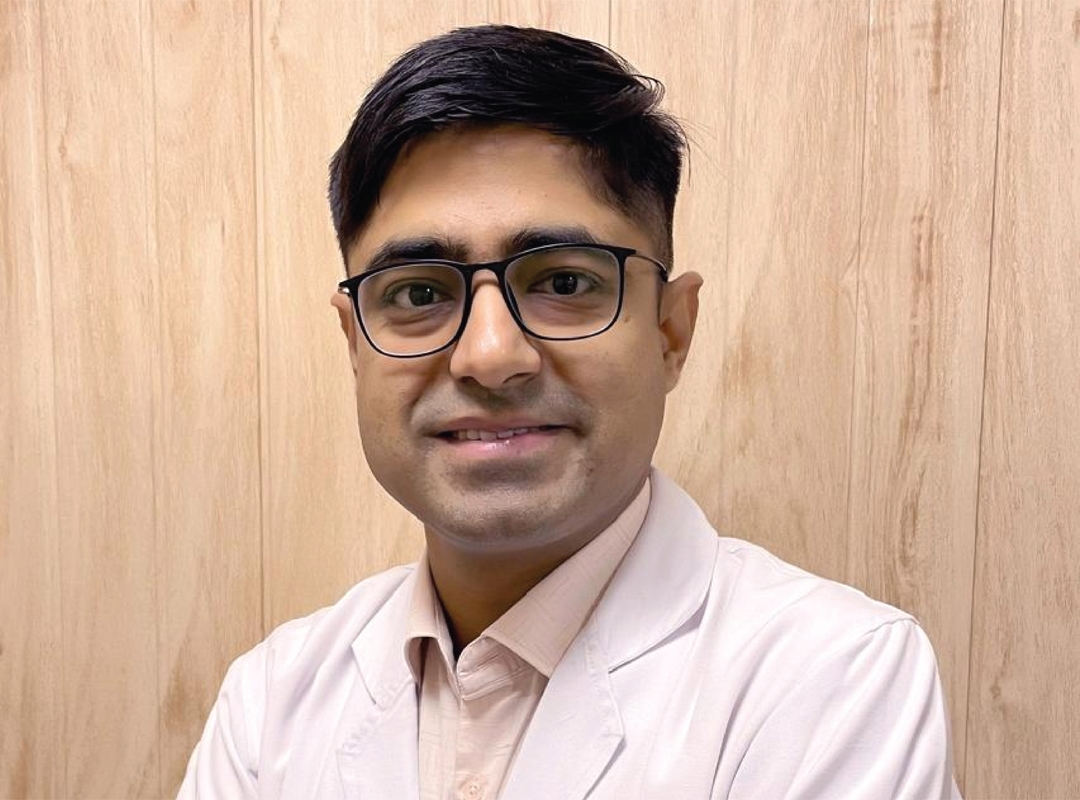
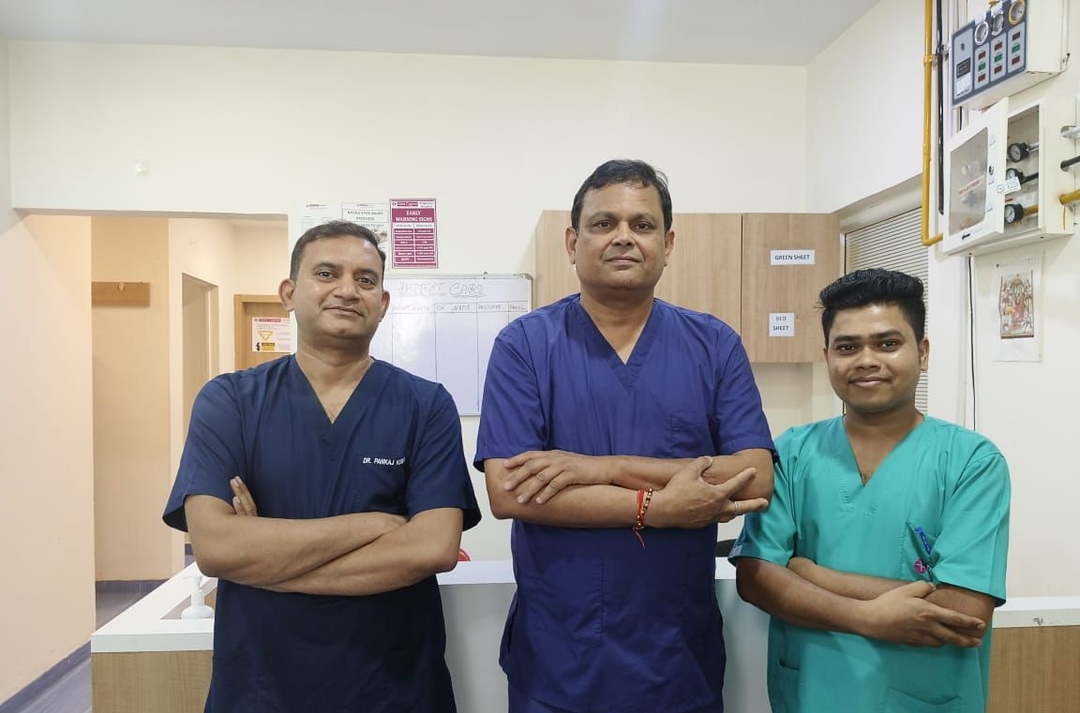
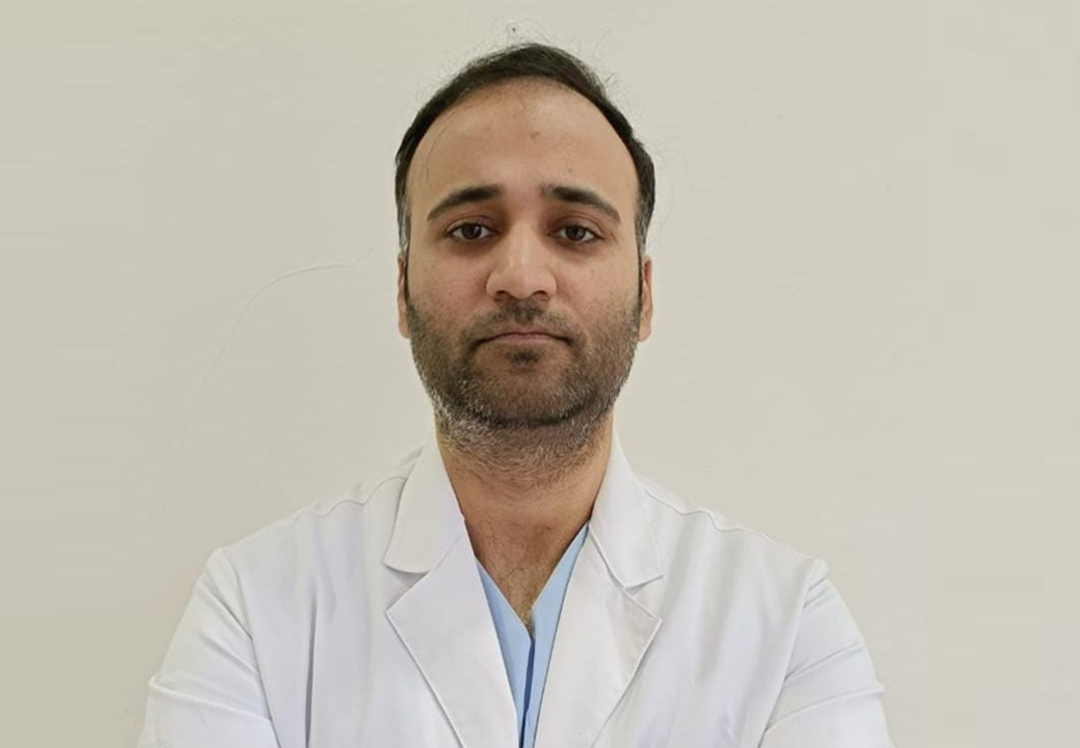
Dr. Aabid Lone, Consultant, medical oncology at Ujala Cygnus Brightstar Hospital, Moradabad answers important questions and shares valuable insight into modern cancer treatment, personalised care, and the importance of early diagnosis to help people better understand and manage this condition.
How do doctors decide the best treatment for a cancer patient?
Every cancer patient is different, and so is their treatment journey. Doctors carefully evaluate several factors before planning treatment, including the type and stage of cancer, the patient’s overall health, and the molecular profile of the tumor.
The primary goal is to understand whether cancer can be cured or controlled effectively for a better quality of life. Based on this, specialists create a treatment plan that offers the best possible outcome with the safest and most suitable approach for the patient. They select therapies supported by strong clinical evidence.
What determines whether a patient receives chemotherapy, targeted therapy, or immunotherapy?
Modern cancer treatment is no longer “one treatment for all.” The choice depends largely on the biology of the tumor and specific genetic or molecular markers.
The choice is primarily guided by tumor biology:
* Chemotherapy is used when no specific target is identified or when rapid disease control is needed
* Targeted therapy is given when specific mutations like EGFR, ALK, or HER2 are present
* Immunotherapy is used in selected patients based on markers like PD-L1 or MSI
Each treatment is chosen to maximize benefit while minimizing unnecessary toxicity. The aim is always to provide effective treatment while reducing unnecessary side effects whenever possible.
How is personalised treatment changing cancer care?
Personalised treatment is transforming the way cancer is managed. Instead of treating every patient the same way, doctors now study the tumor’s genetic behavior and choose therapies accordingly. Personalised treatment allows us to match the right drug to the right patient based on tumor genetics.
This approach has improved outcomes in several cancers, including lung cancer and breast cancer.
* Targeted therapy in lung cancer
* HER2-directed therapy in breast cancer
* Immunotherapy in selected tumors
It leads to better survival, fewer side effects, and more precise treatment. Many patients are now experiencing better survival rates, improved quality of life, and fewer side effects compared to traditional treatment approaches.
What are some of the latest advancements in cancer treatment?
Cancer treatment has seen remarkable advancements in recent years.
Some major advances include:
* Immunotherapy combinations
* Antibody–drug conjugates, which deliver chemotherapy directly to cancer cells
* Tumor-agnostic treatments based on genetic changes rather than cancer origin
* CAR-T cell therapy in certain blood cancers
These innovations are improving both survival and quality of life. Also, offering new possibilities to patients who previously had limited options. Tumor-agnostic treatments, which target genetic changes rather than the location of cancer, are also changing the future of oncology care.
What side effects should patients expect, and how can they manage them?
One of the biggest concerns patients have before starting treatment is fear of side effects.
Side effects depend on the treatment:
* Chemotherapy: nausea, low blood counts, hair loss
* Targeted therapy: skin changes, diarrhea
* Immunotherapy: immune-related effects like thyroid or lung inflammation
Doctors strongly advise patients to communicate openly about any symptoms they experience. Early reporting, regular monitoring, proper nutrition, emotional support, and supportive medications can make treatment much more manageable.
Why is early detection so important in cancer? Early detection is crucial.
Early detection can save lives. When cancer is diagnosed in its early stages, treatment is often more effective, and the chances of cure are significantly higher. In advanced stages, treatment is usually aimed at control rather than cure. Unfortunately, many patients ignore symptoms or delay medical consultation due to fear, lack of awareness, or busy lifestyles.
Persistent symptoms should never be ignored. Regular health screenings, avoiding tobacco, maintaining a healthy lifestyle, and seeking timely medical advice can make a major difference.
Cancer care is not only about treatment — it is also about awareness, early action, and support. With the right medical guidance and timely care, many patients can continue to lead meaningful and fulfilling lives.
If you have specific questions related to cancer treatment, please get in touch with the nearest Ujala Cygnus Hospital or reach our health experts at askadoctor@ujalacygnus.com or Click here to book an appointment with Dr. Aabid Lone.
Frequently Asked Questions (FAQ)
What are the types of cancer treatments?
Surgery: Removes tumors, often used when cancer has not spread.
Chemotherapy: Uses drugs to destroy rapidly dividing cancer cells throughout the body.
Radiation Therapy: Uses high-energy rays to damage or kill cancer cells in a specific area.
Immunotherapy & Targeted Therapy: Newer treatments that boost the immune system or target specific genetic changes in cells.
Hormone Therapy: Used for cancers that rely on hormones to grow.
Can emotional stress lead to cancer?
No, emotional stress alone has not been proven as a cause of cancer. However, prolonged stress may affect your overall health status and your ability to cope with cancer.
Can smoking, tobacco and pan chewing cause cancer? Can alcohol abuse lead to cancer?
Yes, smoking cigarettes, beedi, hookah, pipe or cigar increases your chance of getting cancers, some of them being preventable. Eating pan with tobacco and chewing tobacco increases your chance of getting cancers of the head and neck (mouth, lips, nose and sinuses, voice box, throat), esophagus (swallowing tube), stomach, pancreas, kidney, bladder, uterus, cervix, colon, rectum, ovary and acute myeloid leukemia (blood cancer).
Studies have shown that people who drink alcohol are more likely to get mouth cancer, liver cancer, breast cancer, bowel cancer, and throat cancer, which include pharyngeal cancer, laryngeal cancer, and cancer of the food pipe.
How do doctors decide on a treatment plan?
Plans are tailored based on the type of cancer, stage (how far it has spread), your overall health, and personal preferences.
What are the common side effects?
Side effects differ by treatment type and person but often include fatigue, hair loss, nausea, and weakened immunity. Radiation side effects are typically localized to the treatment area.
Can cancer be cured?
Many cancers, especially when caught early, can be cured with surgery, radiation, or chemotherapy. When a cure isn't possible, treatment often focuses on controlling the disease and improving the quality of life.
Is cancer contagious?
No, cancer is not contagious or infectious.
How do I manage care after treatment?
Follow-up care includes regular checkups and, often, lifestyle adjustments like eating healthy, exercising, and avoiding smoking.
Explore Blogs
Loading...