
Hypertension: The Lifestyle Disease Affecting Millions Silently
By Priyambda Sahay
Reviewed by : Ujala Cygnus
High blood pressure, or hypertension, has become one of the most common lifestyle-related health concerns today, affecting not only older adults but increasingly younger people as well. It is number one cause of death in the world, and the incidences of these diseases are increasing day by day. Unhealthy eating habits, chronic stress, poor sleep, lack of physical activity, and irregular daily routines are major factors contributing to its rise. What makes hypertension particularly dangerous is that it often develops silently, without noticeable symptoms, earning it the name “silent killer.” If not detected and managed on time, uncontrolled blood pressure can significantly increase the risk of heart disease, stroke, kidney problems, and other serious health complications. Regular health check-ups, timely treatment, and healthy lifestyle changes play a crucial role in keeping blood pressure under control and protecting long-term health.
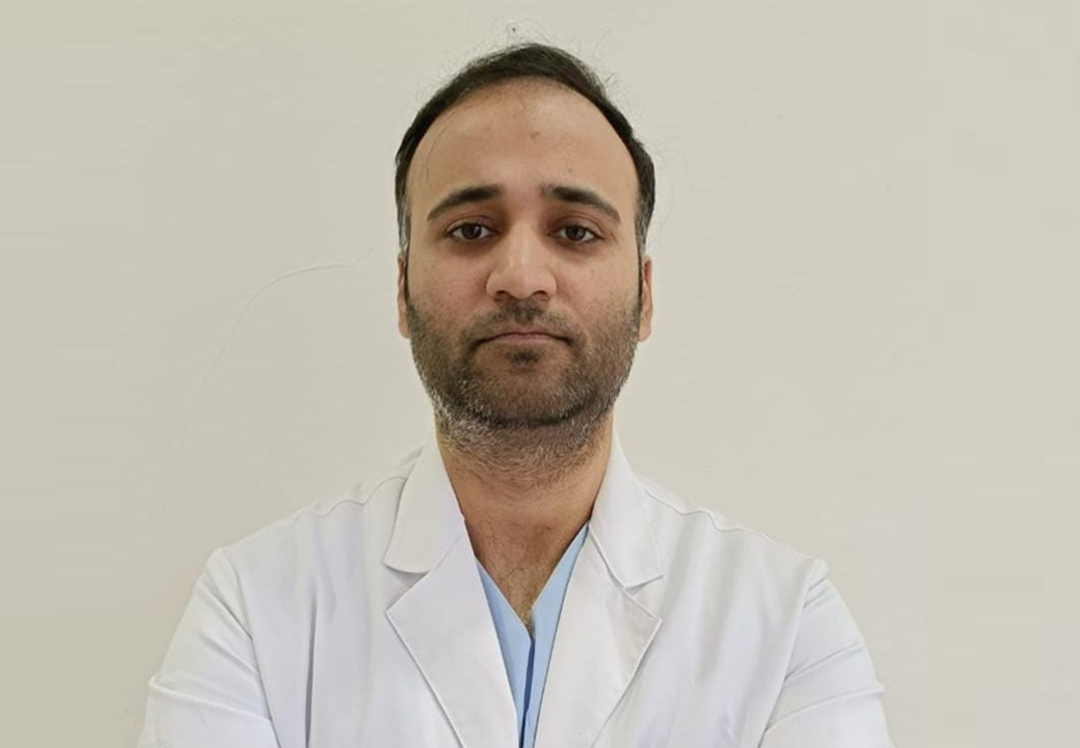
Through regular blood pressure monitoring, a healthy lifestyle, and timely medical intervention, hypertension can be controlled to a significant extent. Dr. Rakesh Keshri Swain, a specialist in Internal Medicine at Ujala Cygnus Super Specialty Hospital, Rewari, has addressed several key questions regarding this subject.
1. Why do blood pressure readings fluctuate at different times of the day?
Blood pressure does not remain constant throughout the day. After waking up in the morning, it continuously changes based on physical activity, stress, diet, sleep patterns, and emotional state. Typically, blood pressure may rise slightly during times of stress, whereas it tends to decrease during periods of rest or sleep. Therefore, blood pressure readings cannot remain uniform; they vary depending on our daily activities.
2. What is the difference between systolic and diastolic blood pressure?
Blood pressure readings consist of two numbers. Systolic blood pressure (the upper number) indicates the amount of pressure exerted on the arteries when the heart beats and pumps blood. Diastolic blood pressure (the lower number) indicates the pressure within the arteries when the heart is in a resting state (between beats).
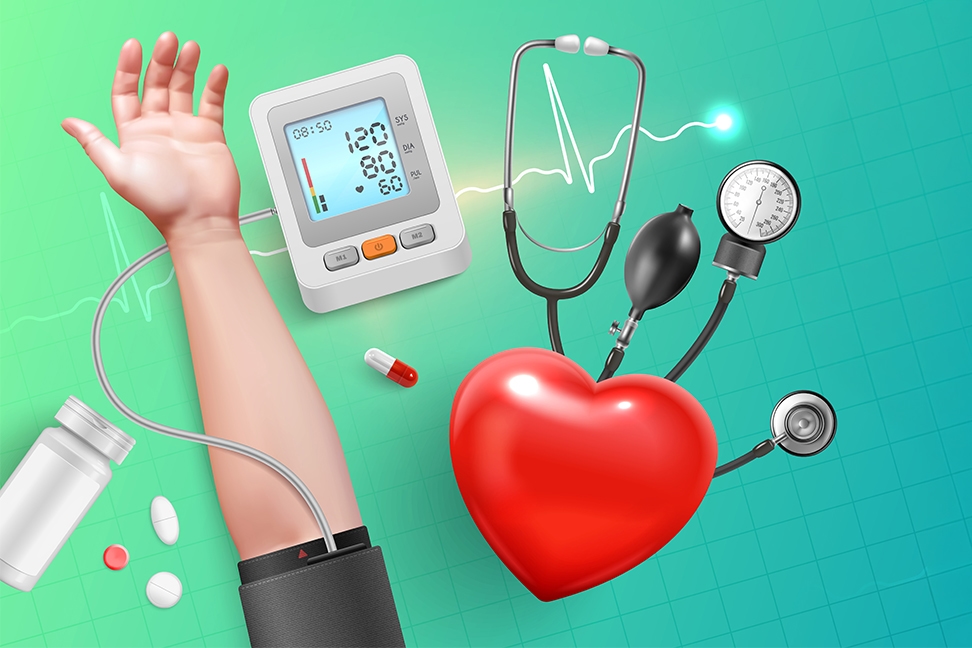
For example, in a reading of 120/80 mmHg, 120 represents the systolic pressure and 80 represents the diastolic pressure. Generally, there is a difference of approximately 40 points between the systolic and diastolic blood pressure readings. A blood pressure reading higher than 140/90 mmHg is considered high blood pressure, while a reading lower than 90/60 mmHg is considered low blood pressure.
Normal BP: Less than 130/85–90
High BP: 140/90 or higher
High BP Stage 1: 140–159 / 90–99
High BP Stage 2: 159–179 / 100–110
High BP Stage 3: Greater than 180/110
3. What can be the early signs and symptoms of high blood pressure?
Many people with high blood pressure do not experience any obvious symptoms; however, certain signs should not be ignored, such as persistent headaches, dizziness, blurred vision, shortness of breath, a sensation of heaviness in the chest, fatigue, and nosebleeds. If such symptoms appear, you should consult a doctor immediately. These could be signs of high blood pressure, which requires timely treatment.
4. How does stress, poor diet, lack of sleep, and physical inactivity raise blood pressure?
Chronic stress increases the levels of certain hormones in the body that can elevate blood pressure. Excessive consumption of salt, junk food, and processed foods contributes to rising blood pressure. Furthermore, insufficient sleep and a lack of physical activity have a negative impact on the heart and blood vessels, thereby increasing the risk of high blood pressure.
5. Should young people also undergo regular blood pressure checks?
Yes, cases of high blood pressure are on the rise even among young people these days. Individuals with a family history of hypertension, diabetes, or heart disease should definitely undergo regular blood pressure checks. Timely screening allows for early detection of the condition and helps prevent complications. Everyone over the age of 40 should monitor their blood pressure. Even if your blood pressure is within the normal range, you should still get it checked at least once every six months.
6. What common mistakes do people make when checking their blood pressure at home?
Many people make common mistakes when measuring their blood pressure at home, such as consuming tea or coffee just before the test, measuring blood pressure immediately after walking or climbing stairs, using an incorrectly sized cuff, maintaining an improper sitting posture during the measurement, or talking while checking their blood pressure. Doing so results in inaccurate blood pressure readings. To obtain accurate reading, it is essential to rest for at least 5 minutes prior to the measurement.
Blood pressure may temporarily rise immediately after consuming coffee or tea, experiencing stress, suffering from sleep deprivation, or engaging in strenuous exercise. Therefore, to ensure accurate reading, blood pressure should always be measured while in a relaxed state. To manage high blood pressure, a balanced diet, regular exercise, adequate sleep, stress management, and periodic health check-ups are essential. If you are experiencing recurring issues with elevated blood pressure, be sure to consult a doctor.
At an individual level, one needs to take care of his/her heart not only literally but also figuratively. In the modern world, it’s nearly impossible to be completely stress free, however one can undertake methods that will reduce stress levels. Try to build habits such as indulge in yoga and meditation, avoiding caffeine and sugar,do exercises that increase endorphins,take a break once in a while and build hobbies that help in relaxation.
If you have questions regarding high blood pressure, also known as hypertension—please contact your nearest Ujala Cygnus Hospital. You can also reach out to our health experts at askadoctor@ujalacygnus.com or click here to book an appointment with Dr. Rakesh Keshari Swain.
Frequently Asked Questions (FAQs)
1. What should be the normal blood pressure level?
Generally, 120/80 mmHg is considered normal blood pressure.
2. Can high blood pressure be completely cured?
High blood pressure can be controlled with the help of a proper lifestyle and medication, but regular monitoring is essential.
3. Can stress increase blood pressure?
Yes, chronic stress can raise blood pressure.
4. Is it beneficial to keep a blood pressure monitor at home?
Yes, a digital blood pressure monitor can be useful for regular monitoring at home.
5. Is it necessary to reduce salt intake in cases of high blood pressure?
Yes, excessive salt consumption can raise blood pressure; therefore, salt intake should be limited.


Loading...