
No Age is Immune: Brain and Spine Disorders on the Rise
By Priyambda Sahay
Reviewed by : Ujala Cygnus
April 16, 2026
Brain and spine disorders are no longer limited to older adults, they are increasingly affecting people across all age groups in today’s fast-paced lifestyle. In India, the situation is particularly concerning. Stroke has emerged as the second leading cause of death
, often occurring 15- 20 years earlier
than in developed countries, with a rising number of cases in the 40–50 age group.
At the same time, conditions like persistent headaches, back pain, weakness,
and balance issues
are becoming more common, often beginning silently and worsening if ignored. Sedentary habits, prolonged screen time, stress, and poor posture
are also the key contributors to this growing health burden.
Adding to the challenge, India reports a high number of traumatic brain injuries each year, largely due to road accidents and falls. Recognising early warning signs and seeking timely medical care can make a critical difference, helping prevent complications, improve recovery, and save lives.
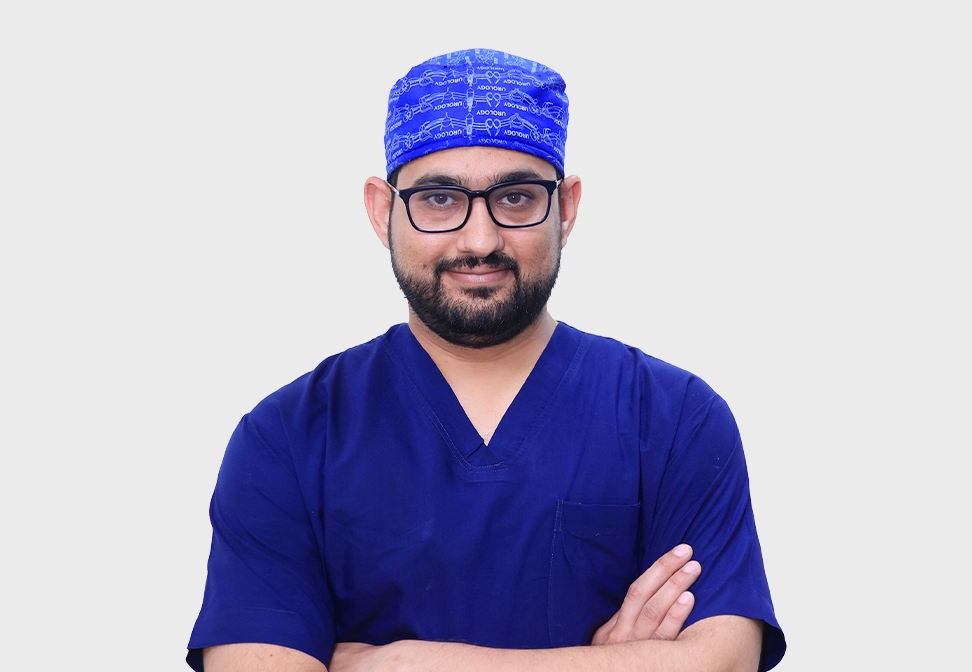
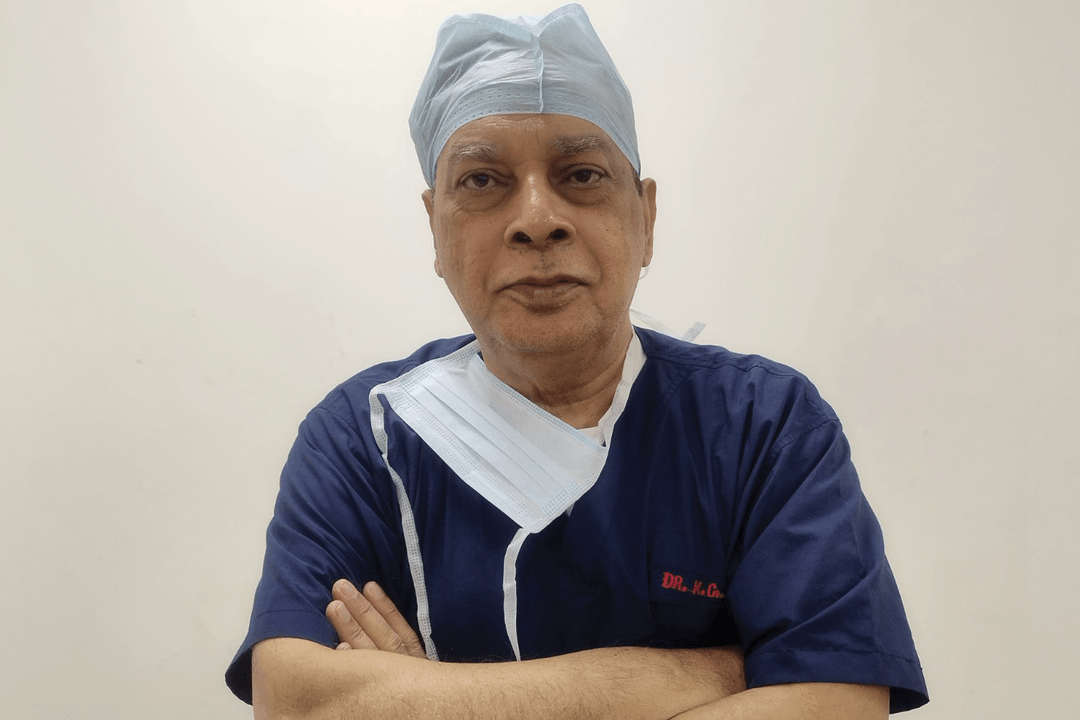
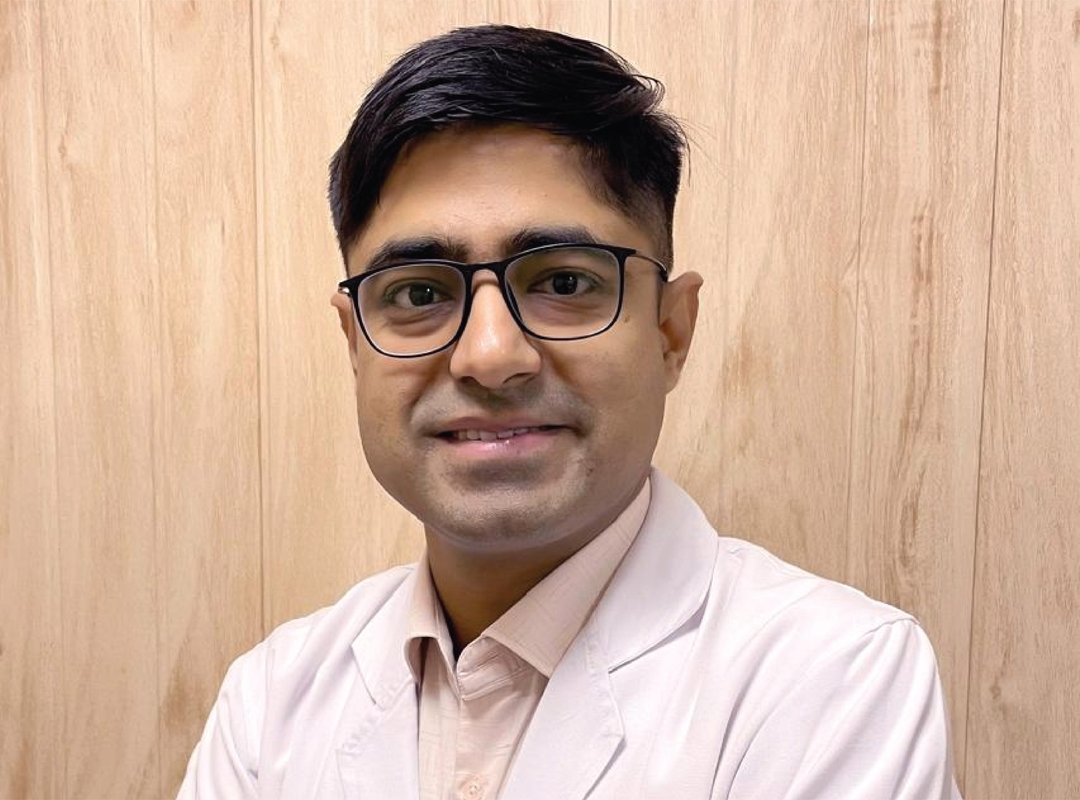
Dr. Kunj Bihari Saraswat,
Senior Neuro Surgeon and head of department Neurosurgery,
is explaining more about the causes, symptoms, treatments of brain and spine disorders, and uses of advanced technology in the neurosurgery.
What are the early symptoms of brain or spine problems that people should not ignore?
People should never ignore such symptoms as persistent headache, severe neck pain or severe back pain, numbness or tingling in arms or legs weakness in limbs, balance problem frequent dizziness seizure memory issues difficulty in speaking or walking. In spine problems symptoms like pain radiating from the back of the leg difficulty in standing or walking for long or loss of the bladder and bowel control can be warning sign early recognition of these symptoms can prevent serious complication.
When should someone consult a neurosurgeon instead of ignoring symptoms or relying only on medication?
A neurosurgeon should be consulted when symptoms such as persistent numbness, weakness, difficulty in walking, or loss of coordination are experienced. If these symptoms do not improve, last for several weeks, or begin to affect daily life, medical evaluation should not be delayed. Early diagnosis is extremely important, as many neurological conditions can be treated more effectively when identified at an early stage. My message to patients is simple- do not ignore warning signs from your body. Early consultation and timely treatment can help prevent serious complications and significantly improve quality of life.
How have modern technologies such as minimally invasive and advanced neurosurgical technique improved patient outcomes?
Modern technology such as minimal invasive surgery, endoscopic procedures, neuro navigation, robotic assistance and the advanced microscope have greatly improved the patient’s outcomes. These techniques allow surgeons to perform procedures through a smaller incision, causing less tissue damage, less blood loss and reduced pain. As a result, patients experience faster recovery, shorter hospital stay and quicker return to the daily activities. These innovations have made neurosurgery more effective and patients friendly.
Many people are afraid of brain surgery. How safe are neurological procedures today?
Neurosurgery has become much safer and more precise today compared to the past, with advancement in the medical technology highly trained neurosurgeon and modern operation theaters, the success rate of the many neurosurgical procedure has improved, significantly advanced imaging, neuro navigation system and the intraoperative monitoring allow the surgeon to operate with greater accuracy and minimal risk, while every surgery carries some risk moderate. Modern neurosurgery is far safer than people commonly believe, and many patients recover well and return to normal life.
Brain and spin disorders are becoming more common today. What are the most common brain and spine condition that you see among patients today, and what are the major reasons behind this rise?
Today, the most common brain and spine condition we see included a herniated disc, or that is also called slip disc, sciatica, degenerative spine disorders, brain tumors, stroke injuries, head injuries. The rise in these conditions is mainly due to the sedentary lifestyle, prolonged screen time, poor posture, increased stress level, aging population, the lack of the physical activity, the road accident and the sports injury are also contributed significantly to spine and head trauma, additionally better diagnosis facility like MRI CT scan have improved detection rate, which is why more cases are being diagnosed today.
FAQ
When should I consult a neurosurgeon?
You should consult a neurosurgeon if symptoms like numbness, weakness, coordination issues, or pain persist for weeks or begin to affect daily activities. Early medical evaluations help in timely diagnosis and better treatment outcomes.
Can brain and spine problems be prevented?
Many conditions can be prevented by maintaining good posture, staying physically active, reducing screen time, managing stress, and seeking timely medical advice when symptoms appear.
Are brain and spine surgeries safe today?
Yes, modern neurosurgery is much safer due to advanced technology, better imaging, and highly skilled specialists. Minimally invasive techniques have improved success rates and reduced risks significantly.
What are the most common brain and spine conditions today?
Some of the most common conditions include slip disc (herniated disc), sciatica, degenerative spine disorders, brain tumors, stroke, and head injuries.
Why are brain and spine disorders increasing nowadays?
Brain and spine disorders are rising mainly due to sedentary lifestyles, poor posture, and excessive screen time. Lack of physical activity, high stress levels, and unhealthy habits further increase the risk. Additionally, aging, injuries, and improved diagnostic tools have led to more cases being identified today.
If you have questions related to brain and spine disorders, consult a doctor at your nearest
Ujala Cygnus Hospital. You can also reach our health experts at
askadoctor@ujalacygnus.com or
click to book an appointment with
Dr. Kunj Bihari Saraswat.
Loading...