Breast cancer is commonly associated with women, but it can also affect men—although it accounts for less than 1% of all breast cancer cases. Mr. Rasipal Singh, a resident of Aligarh, experienced this rare condition when he noticed a small lump in his breast.
Following medical evaluation, he was diagnosed with breast cancer in 2021. He underwent surgery at another hospital and initially responded well to treatment. However, within a few months, follow-up investigations revealed that the cancer had recurred and spread to his spine (backbone), making the disease more complex and challenging to treat.
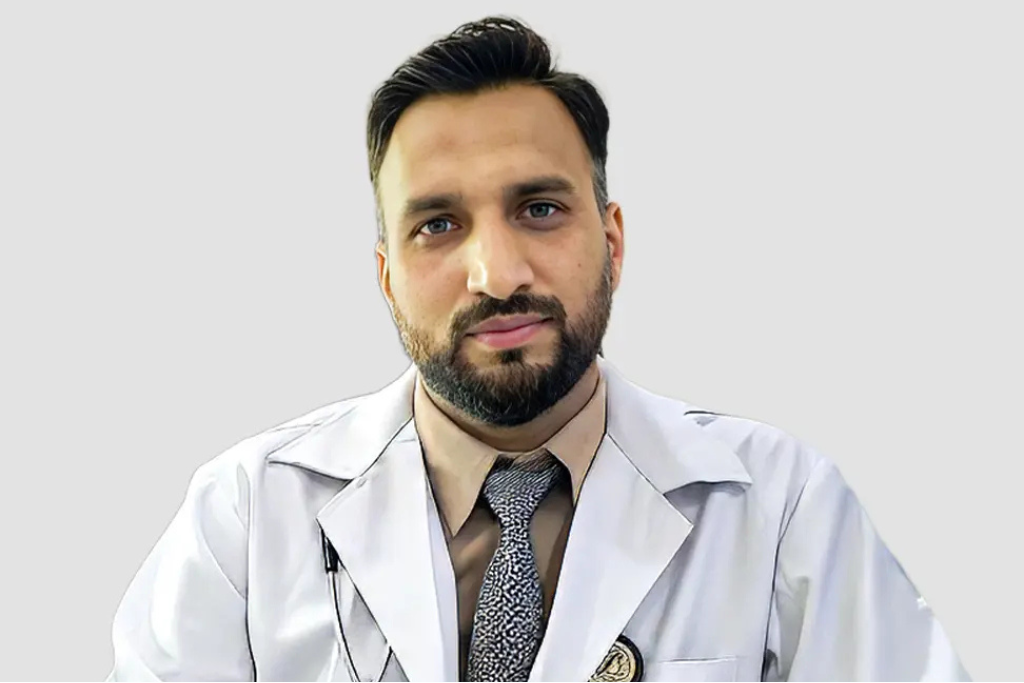
Despite receiving treatment at multiple hospitals, his condition showed limited improvement, prompting his family to seek advanced cancer care. Finding Hope at Ujala Cygnus Amritdhara My Hospital Determined to find the right treatment, Mr. Singh’s family travelled nearly 300 kilometres from Aligarh to Karnal to consult Dr. Umar Bashir, Medical Oncologist, Ujala Cygnus Amritdhara My Hospital.
After a comprehensive evaluation of his disease progression, previous treatment history, and overall health condition, Dr. Bashir developed a personalised treatment strategy based on the latest advances in precision oncology. Personalised Precision Cancer Therapy Considering that the cancer had become resistant to conventional hormonal therapies, Dr. Umar Bashir recommended Elacestrant , an advanced targeted hormonal therapy used for selected patients with advanced hormone receptor-positive breast cancer.This precision medicine approach was chosen to specifically target the biology of the patient’s cancer, offering a more effective treatment option while improving disease control and quality of life.
The treatment was initiated under close medical supervision, with continuous monitoring of the patient’s response.Positive Clinical Outcome Since starting the personalised treatment plan, Mr. Singh has shown encouraging clinical improvement. His disease is being effectively managed, and his overall health and quality of life have improved significantly under expert oncology care. The case demonstrates how modern precision medicine can offer new hope even in complex and recurrent cancer cases where conventional treatments have failed. Expert Insight Dr. Umar Bashir, Medical Oncologist, Ujala Cygnus Amritdhara My Hospital, Karnal , said: “Mr. Rasipal Singh’s journey is a powerful reminder that cancer treatment has evolved significantly. Today, precision oncology enables us to customise treatment according to the unique characteristics of a patient’s disease. In carefully selected patients with advanced breast cancer that has become resistant to conventional hormonal therapy, medicines such as Elacestrant can provide a promising and effective treatment option. Equally important are the patient’s determination, family support, and timely access to specialist care.” He further added that male breast cancer, though rare, should never be ignored.Men who notice a breast lump, nipple discharge, skin changes, or unexplained swelling should seek immediate medical evaluation, as early diagnosis significantly improves treatment outcomes.
Key Achievements
Successful management of a rare case of male breast cancer Personalised treatment using advanced precision cancer therapy
Introduction of Elacestrant, a modern targeted hormonal therapyEffective disease management after recurrence and spread to the spine Improved quality of life through customised oncology care Demonstrates the role of precision medicine in complex cancer treatment Advanced Cancer Care Close to Home This case highlights the growing role of precision oncologyin treating complex and recurrent cancers. At Ujala Cygnus Amritdhara My Hospital, Karnal, patients have access to advanced diagnostics, personalised cancer therapies, and multidisciplinary oncology expertise that enables world-class treatment closer to home.
For Mr. Rasipal Singh and his family, the journey reflects more than successful medical care—it is a story of resilience, trust, modern medicine, and renewed hope against one of the rarest forms of breast cancer in men.