
Persistent Fatigue, Weight Gain, or Hair Loss—Is It Just Stress, or Is It Thyroid?
Did you know that millions of people in India may be living with thyroid disorders without even realizing it? Fatigue, sudden weight changes, hair fall, anxiety, mood swings, or feeling unusually hot or cold are often ignored as stress or lifestyle issues — but these symptoms could be linked to thyroid imbalance.
This disease often develops silently within the body, and its symptoms are frequently mistaken for stress, lifestyle-related issues, or age-related changes. However, recurring symptoms should never be ignored, as they may indicate an underlying thyroid disorder.
Dr. Umesh Sharma, a General Physician at Ujala Cygnus JK Medicity Hospital, Jammu, has provided detailed information regarding this subject.
What Is the Thyroid?
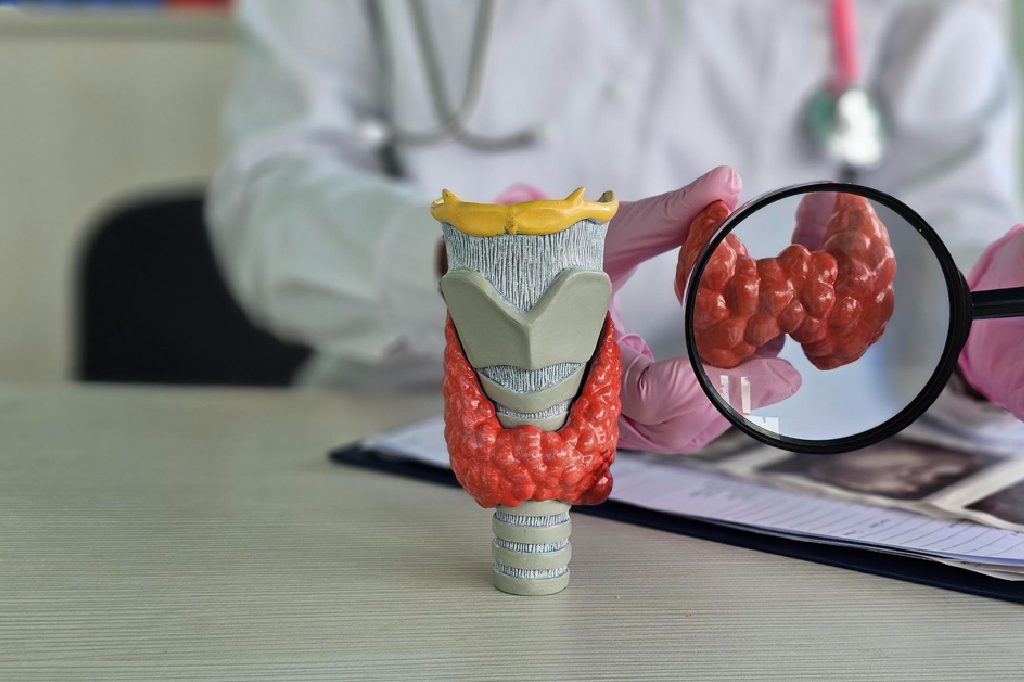
The thyroid is a butterfly-shaped gland located in neck that plays a crucial role in the body. It regulates several essential bodily functions on a daily basis. It keeps your metabolism in check, and its function also involves regulating body weight, energy levels, and mood. All of these vital processes depend on this small gland.
Types of Thyroid Disorders
Thyroid disorders generally fall into two categories:
Hyperactivity of the Thyroid Gland (Hyperthyroidism)
: When the thyroid gland becomes overactive, it begins to produce T4 and T3 hormones in quantities exceeding the body’s requirements. When these hormones are produced in excessive amounts, the body begins to expend energy at an accelerated rate. This condition is known as hyperthyroidism. This issue is observed more frequently in women than in men.
The excess of thyroid hormones leads to an increased metabolic rate within the body. Additionally, symptoms may include anxiety, irritability, excessive sweating, trembling of the hands, thinning and shedding of hair, insomnia (difficulty sleeping), persistent muscle weakness and pain, rapid heartbeat, weight loss, menstrual irregularities, and an increased risk of osteoporosis—a condition that causes the rapid depletion of calcium from the bones.
Hypothyroidism (Underactivity):
Hypothyroidism occurs due to the underactivity of the thyroid gland. It can be identified by the symptoms such as slow heart rate, persistent fatigue, depression, increased sensitivity to cold, weight gain resulting from a slowed metabolism, thinning and brittle nails, reduced sweating, dry and itchy skin, joint pain and muscle stiffness, excessive hair loss, constipation, puffy eyes, frequent forgetfulness, confusion, difficulty with cognitive processing, menstrual irregularities, swelling of the face and eyes, and elevated blood cholesterol levels. In women, this condition can also lead to infertility.
Why does the thyroid gland stop functioning properly?
Reasons include insufficient dietary iodine intake, excessive stress, a family history of thyroid disorders, or in some cases the body’s own immune system attacking the thyroid gland. This condition is more prevalent in women than in men, with the incidence often increasing significantly after childbirth. Indeed, women are particularly susceptible to thyroid disorders due to a combination of hormonal and autoimmune factors. Therefore, symptoms of thyroid dysfunction should never be ignored.
How to Assess Your Thyroid Health?
Thyroid levels can be determined through a simple blood test known as the TSH (Thyroid-Stimulating Hormone) test. If deemed necessary, a doctor may also recommend additional thyroid profile tests. If a patient is diagnosed at an early stage, treatment can be both easier and more effective. Awareness and timely screening constitute the first step toward better thyroid health.
Awareness and Timely Screening Are Paramount
Many people tend to overlook thyroid symptoms, attributing them merely to stress, a hectic lifestyle, or the effects of aging. However, persistent symptoms should never be ignored.
With timely screening, a proper diet, regular exercise, and medical guidance, thyroid conditions can be effectively managed.
If you have been experiencing prolonged fatigue, unexplained weight fluctuations, or other hormonal issues, it is essential to consult a specialist. Early detection is the first step toward achieving better health.
If you have any questions regarding thyroid health, please contact your nearest Ujala Cygnus Hospital. You can also reach out to our health experts askadoctor@ujalacygnus.com or click here to book an appointment with Dr. Umesh Sharma.
Frequently Asked Questions
Why are thyroid disorders more common in women?
Women are more susceptible to thyroid problems due to hormonal fluctuations, pregnancy, menopause, and autoimmune conditions. Thyroid disorders are particularly common following childbirth.
How is thyroid disease diagnosed?
Thyroid disorders are typically diagnosed through blood tests, such as:
TSH, T3, and T4 levels. Additionally, if deemed necessary, a doctor may recommend an ultrasound or other diagnostic tests.
Can stress cause thyroid problems?
While stress alone does not directly cause thyroid disease, chronic stress can disrupt hormonal balance and exacerbate pre-existing thyroid conditions.
Can thyroid problems lead to weight gain?
Yes, hypothyroidism can slow down your metabolism, leading to weight gain, fatigue, and lethargy.
Is it possible to cure thyroid disease?
Many thyroid conditions can be managed through medication and lifestyle changes. Some conditions may require long-term treatment.
Can thyroid problems affect pregnancy?
Yes, leaving a thyroid condition untreated can impact fertility, pregnancy, and the baby’s development. Proper management of thyroid conditions during pregnancy is crucial.






+91-91466 91466
If you want to get a free consultation without any obligations, fill in the form below and we'll get in touch with you.
Request a Call Back
Our healthcare expert will contact you shortly to understand your requirements and assist you with the right care.
100% Confidential
Your information is safe and secure with us.
Quick Response
Our team will connect with you at the earliest.
Expert Guidance
Speak with our experienced healthcare professionals.
Request a Call Back
You Will Get a call within 1 hour
?? Your information is
safe & confidential.