Blood Sugar Test: Normal Range and Interpreting the Results
By Dr. Jaspreet Singh
Reviewed by : Ujala Cygnus
August 27, 2026
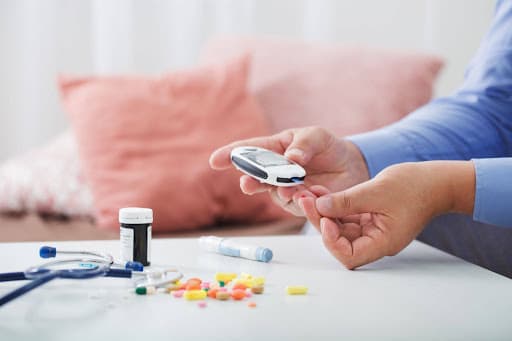
Blood sugar testing is a common way to assess how well the body is regulating glucose - the primary source of energy for the body. As blood glucose levels can change throughout the day, test results may vary depending on various factors such as the time of the day and time since the last meal. This means that a single number may not tell the whole story unless it is interpreted in the right context. To help you make informed decisions about your health, in this article, we’ll discuss what is considered the “normal blood sugar range”, what the results may mean, and when consulting an endocrinologist could be necessary. But first, let’s understand the test used to monitor blood sugar.
What is a Blood Sugar Test?
A blood sugar test measures the amount of glucose in the blood. Depending on the type of test, it may show the blood glucose level at a specific point in time or provide an estimate of average blood glucose levels over a longer period. These tests may be used to check blood glucose levels, screen for diabetes or prediabetes, or monitor existing diabetes. Tests such as fasting and random blood sugar provide a snapshot of glucose levels at the time of testing. In contrast, HbA1c reflects average blood glucose levels over the preceding two to three months.
Types of Blood Sugar Tests
Different blood sugar tests provide different information about glucose levels. The choice of test depends on the purpose of testing and the clinical situation.
Fasting Blood Sugar
This test measures blood glucose after fasting, usually for at least 8 hours. It is commonly used to screen for and help diagnose prediabetes and diabetes.
Random Blood Sugar
A random blood sugar test measures glucose at any time of the day, regardless of when the person last ate. It can be useful when symptoms suggest high blood sugar and testing is needed without waiting for a fasting period.
Postprandial Blood Sugar
This test measures blood glucose after a meal, commonly about two hours after eating. It helps assess how the body responds to food and can be used to monitor blood glucose control in people with diabetes.
Oral Glucose Tolerance Test
An oral glucose tolerance test (OGTT) measures how the body processes glucose over a period of time. After fasting, a person drinks a glucose solution, and blood glucose is measured at specified intervals. It is commonly used to assess glucose regulation and is also an important test for diagnosing gestational diabetes.
HbA1c Test
The HbA1c test measures how much glucose is attached to haemoglobin, a protein in red blood cells. Unlike tests that show the blood glucose level at a specific time, HbA1c gives an estimate of the average blood glucose level over the past two to three months. It can be used to screen for and diagnose prediabetes and diabetes, as well as monitor blood sugar control in people with diabetes.
Blood Sugar Test Normal Range
Blood sugar levels are interpreted differently depending on the type of test and the timing of the sample. The commonly used reference ranges for non-pregnant adults are:
Note: Reference ranges may vary slightly between laboratories because of differences in testing methods and equipment. The reference range provided on the individual laboratory report should therefore be considered when interpreting a result. These ranges are general reference values for non-pregnant adults and may not apply during pregnancy or in certain medical conditions.
Understanding the Blood Sugar Test Report
A blood sugar report usually includes the name of the test, your measured result, the unit of measurement and the laboratory's reference range. To understand the result correctly, it is important to consider which test was performed and when the blood sample was taken, rather than looking at the number alone.
Fasting Blood Sugar
A fasting blood sugar result shows the amount of glucose in the blood after a period of fasting. When reviewing the report, compare the result with the reference range provided by the laboratory. A higher-than-expected result may indicate impaired blood sugar regulation and may require further evaluation, particularly if similar results occur repeatedly.
Postprandial Blood Sugar
A postprandial blood sugar result shows the glucose level after eating, usually about two hours after a meal. The result needs to be considered in relation to the timing of the test and the laboratory's reference range. An unexpectedly high reading may warrant further assessment, especially if it occurs repeatedly.
Random Blood Sugar
A random blood sugar test can be performed at any time of the day, without fasting. Since blood glucose levels can vary depending on food intake and other factors, a reading of less than 140 mg/dL is generally considered normal. When interpreting the result, the timing of the test, recent food intake and any symptoms should also be considered.
HbA1c
HbA1c is reported as a percentage and reflects average blood glucose levels over approximately the previous two to three months. Unlike fasting, postprandial or random blood sugar tests, it is not affected by what was eaten immediately before the test. A result outside the expected range may indicate a need for further evaluation or repeat testing, depending on the clinical situation.
If a report shows an abnormal blood sugar result, it is best to discuss it with a doctor rather than interpreting the number on its own. The doctor can consider the result alongside symptoms, medical history and other relevant findings.
What High or Low Blood Sugar Levels May Mean
Blood sugar levels that are consistently higher or lower than expected may indicate that glucose regulation needs further evaluation. However, an abnormal result does not always point to the same cause. Its significance depends on how far the level is outside the expected range, whether symptoms are present and the underlying cause.
High Blood Sugar
High blood sugar, or hyperglycaemia, can occur when the body does not produce enough insulin or cannot use insulin effectively. Persistently high blood sugar may be associated with prediabetes or diabetes, while temporary increases can occur during illness, stress or with certain medicines.
Symptoms may include increased thirst, frequent urination, tiredness, blurred vision and unexplained weight loss. Very high blood sugar accompanied by symptoms such as vomiting, abdominal pain, rapid breathing, confusion or severe weakness requires urgent medical attention.
Low Blood Sugar
Low blood sugar, or hypoglycaemia, is generally defined as a blood glucose level below 70 mg/dL in people with diabetes. It is most commonly associated with diabetes medicines, particularly insulin, but can also occur for other reasons.
Symptoms may include sweating, shakiness, hunger, dizziness, irritability, difficulty concentrating and weakness. Severe hypoglycaemia can cause confusion, seizures or loss of consciousness and requires immediate treatment.
An isolated high or low reading may not always indicate an ongoing problem. However, repeated abnormal results or symptoms associated with altered blood sugar levels should be discussed with a doctor.
Factors That Can Affect Blood Sugar Test Results
Blood sugar readings can be influenced by several factors, even when a person does not have diabetes. Understanding these factors can help explain unexpected results and prevent avoidable variations during testing.
• Food and fasting: Eating before a fasting test can raise blood glucose and affect the result.
• Physical activity: Exercise can temporarily lower blood sugar, while strenuous activity may sometimes cause a short-term increase.
• Stress: Physical or emotional stress can trigger hormonal changes that raise blood glucose.
• Illness: Infections and other illnesses may temporarily increase blood sugar levels.
• Medicines: Certain medicines, including corticosteroids, can affect glucose levels.
• Timing of the test: Blood glucose naturally changes throughout the day, so the timing of a test in relation to meals and other activities matters.
• Testing conditions: Differences in sample collection, testing methods and laboratory equipment can also contribute to variation in results.When abnormal blood sugar results persist despite these factors being addressed, an endocrinologist can help determine whether an underlying hormonal or metabolic condition may be contributing to the problem.
When to Consider Endocrinology Care for Abnormal Blood Sugar Results
A single abnormal blood sugar result may not always indicate an underlying condition. However, persistent abnormal readings, unexplained fluctuations or symptoms may require a more detailed evaluation. An endocrinologist can assess blood sugar patterns and look for hormonal or metabolic conditions that may be affecting glucose regulation.
Endocrinology care may be considered when:
• Blood sugar levels remain consistently high or low.
• Results repeatedly fall within the prediabetes or diabetes range.
• Blood glucose levels fluctuate without an apparent cause.
• Blood sugar abnormalities occur alongside symptoms such as excessive thirst, frequent urination, unexplained weight changes or unusual fatigue.
• Diabetes or another metabolic condition is suspected and requires specialist evaluation.
• Blood sugar remains difficult to manage despite following the recommended treatment plan.
Depending on the findings, an endocrinologist may recommend additional tests, review existing medications and assess other factors that could be contributing to abnormal glucose levels. Early specialist evaluation can help identify the underlying cause and guide appropriate management.
Endocrinology Care at Ujala Cygnus
At Ujala Cygnus, we provide endocrinology care for patients who need specialist evaluation for blood sugar, hormonal and metabolic concerns. Our team of experienced endocrinologists can assess abnormal blood sugar results, consider the underlying cause and recommend appropriate tests and treatment based on each patient's health needs.
If you have persistent abnormal blood sugar readings or want to understand your blood test results, our endocrinology team can help interpret the findings and guide you on the next steps in care. To book a consultation, visit a Ujala Cygnus hospital or call 9146691466. You can also book an appointment online at your convenience.
Explore Blogs


Loading...