Joint Pain Is No Longer Just an Ageing Problem: Know the Causes, Symptoms & Treatment
By Priyambda Sahay
Reviewed by : Ujala Cygnus
June 26, 2026
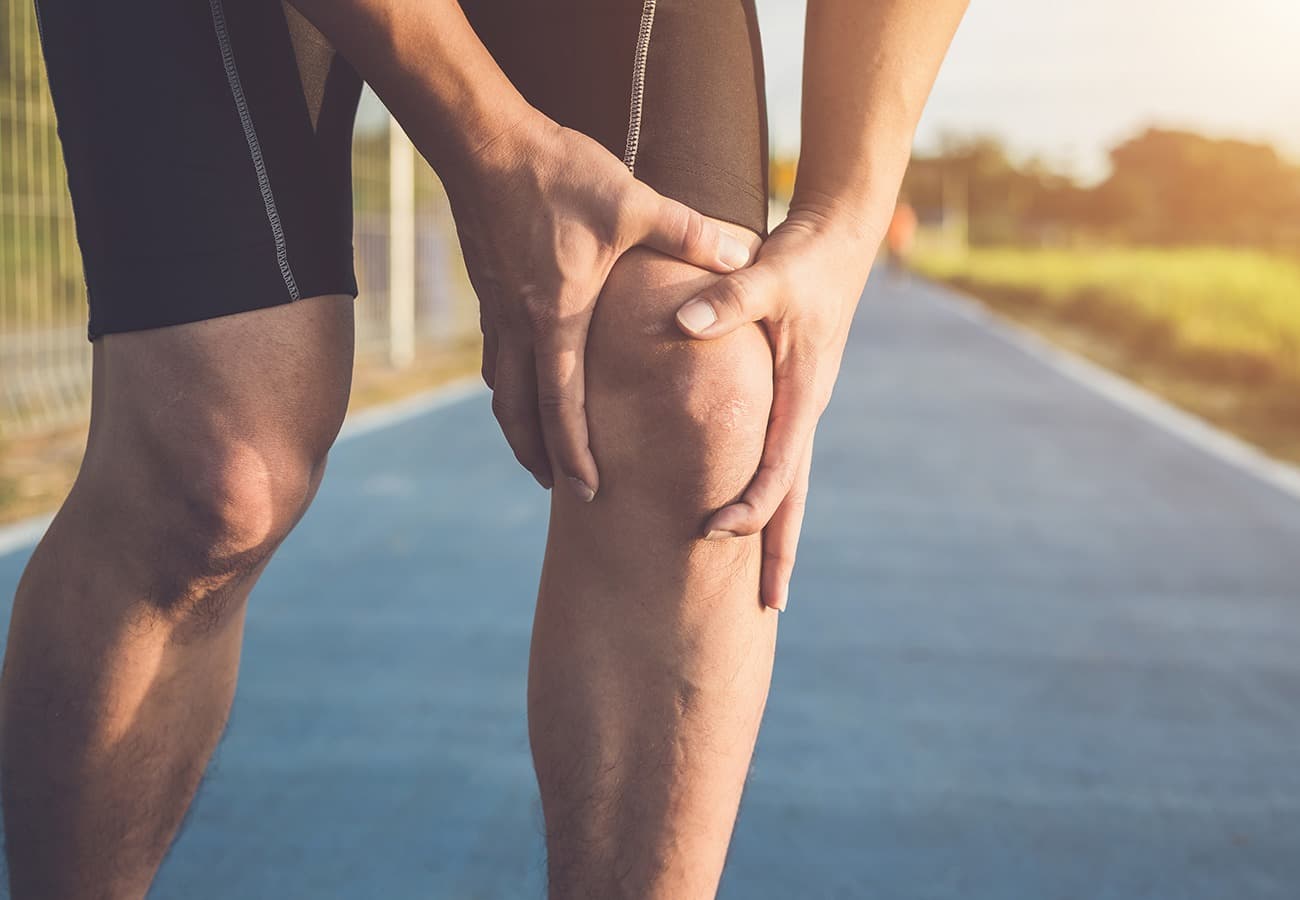
Joint pain is no longer a problem limited to older adults. Today, people in their 20s and 30s are increasingly experiencing knee pain, shoulder stiffness, back pain, and other joint-related problems due to sedentary lifestyles, obesity, poor posture, sports injuries, and underlying medical conditions. Understanding the cause of joint pain is the first step toward effective treatment and long-term joint health.
Joint pain can be described as any discomfort, soreness or aches in the body where two or more bones meet to form a joint. It can be medically termed as ‘arthralgia’. Joints in the body include knee, hips, shoulders and elbows. A joint can be painful without being inflamed, or it can be both painful and inflamed. The pain can be anywhere in the range from mild to disabling and have varied causes which might or might not be due to underlying diseases.
Symptoms of Joint Pain
Joint pain is often accompanied by a variety of symptoms that can differ depending on the underlying cause. Common symptoms directly affecting the joints include pain, stiffness, clicking or crackling sounds during movement, reduced mobility, limping, swelling, redness, tenderness, warmth around the joint, and in some cases, visible deformity or weakness. However, joint pain may also occur alongside symptoms that affect other parts of the body, such as muscle aches, fatigue, dry mouth, skin rashes, abdominal pain, fever, chills, headaches, or even jaundice.
These associated symptoms may indicate an underlying inflammatory, autoimmune, infectious, or metabolic condition. While many cases of joint pain are manageable, certain warning signs require immediate medical attention, including chest pain, difficulty breathing, heart palpitations, very high fever, significant muscle weakness, bleeding from minor injuries, pain affecting multiple joints along with a rash, or rapid involuntary movements. Recognising these symptoms early and seeking timely medical evaluation can help identify the underlying cause and prevent serious complications.
Causes of Joint Pain
Joint pain can occur due to a wide range of conditions, and the underlying cause often depends on a person's age, lifestyle, and overall health. It may result from minor injuries such as sprains or overuse, or from more serious conditions including arthritis, infections, autoimmune disorders, and even certain cancers. In adults, joint pain affecting multiple joints is commonly associated with conditions such as osteoarthritis, rheumatoid arthritis, psoriatic arthritis, gout, bursitis, fibromyalgia, ankylosing spondylitis, vitamin D deficiency, connective tissue disorders, and hormonal changes during menopause. On the other hand, pain limited to a single joint is often caused by injuries to the joint, bones, or surrounding soft tissues, joint infections, or conditions such as Paget's disease of bone.
In children and teenagers, joint pain may be linked to conditions such as juvenile idiopathic arthritis, Osgood-Schlatter disease, Sinding-Larsen-Johansson disease, Henoch-Schoenlein purpura, or even normal growing pains. Identifying the underlying cause is essential for ensuring timely treatment and preventing long-term joint damage.
Diagnosis of Joint Pain
Joint pains can be diagnosed with physical examination by a doctor. A few questions regarding the pain can help narrow down the causes. An X-ray of the joints may be required to identify arthritis related joint damage. For the screening of autoimmune diseases, a blood test may be necessary. A sedimentation rate test to measure the level of inflammation in the body might be ordered by the doctor.
Treatment of Joint Pain
The treatment of joint pain depends on its underlying cause and severity. In many cases, symptoms can be managed with medications, lifestyle modifications, and home remedies such as maintaining a healthy weight, engaging in low-impact exercises like walking or swimming, applying hot or cold therapy, eating a balanced diet, and undergoing physiotherapy. For persistent or severe joint problems, an orthopedic specialist may recommend advanced treatments such as joint repair, joint replacement surgery, or joint fusion, depending on the condition of the affected joint. Early diagnosis and appropriate treatment can help relieve pain, improve mobility, and prevent long-term joint damage.
Complications of Joint Pain
If left untreated, joint pain can lead to serious complications that may affect mobility and overall quality of life. Depending on the underlying cause, it can result in joint deformity, permanent joint damage, reduced movement, instability, physical disability, or even the spread of infection to other parts of the body. Seeking timely medical care and following the recommended treatment plan can help prevent these complications and preserve long-term joint function.
Joint pains can have various symptoms, causes and treatments. It is important to consult with a medical professional to determine the underlying cause of your joint pain and develop an appropriate treatment plan. It can be caused by conditions such as osteoarthritis, rheumatoid arthritis, gout and many more. Understanding the different symptoms, causes, and treatment available can help you manage your joint pain and improve your quality of life. With the right diagnosis and treatment, it is possible to manage joint pain and get back to daily activities.
, Consultant Orthopaedics at Ujala Hospital, Kashipur has answered some important questions related to joint paint.
1. What is the actual cause of the swelling in joints?
Joint swelling occurs when excess fluid accumulates in or around a joint due to inflammation, injury, infection, or other medical conditions. The exact cause can only be determined after a medical evaluation.
2. Is my joint pain caused by arthritis, gout, rheumatoid arthritis, or an injury? What tests are needed to diagnose it?
Joint pain can occur due to several reasons, including osteoarthritis (age-related wear and tear of the joints), rheumatoid arthritis (an autoimmune condition that causes inflammation), gout (caused by the buildup of uric acid crystals in the joints), injuries such as sprains, ligament tears, fractures, or overuse, and, in some cases, joint infections. To determine the exact cause, doctors may recommend a physical examination along with diagnostic tests such as blood tests(ESR, CRP, Rheumatoid Factor, Anti- CCP, Uric Acid), X-rays, ultrasound, MRI scans, or joint fluid analysis. These investigations help identify the underlying condition and guide the most appropriate treatment plan.
3. At what point does surgery become necessary for joint pain?
Surgery is usually considered when non-surgical treatments such as medications, lifestyle modifications, physiotherapy, and injections fail to provide adequate relief. It may become necessary when there is severe joint damage, persistent pain that affects daily activities, significant joint deformity, or loss of mobility and function. Surgical intervention may also be recommended for conditions such as ligament or cartilage tears that require repair, or in cases of advanced arthritis where joint replacement offers the best chance of restoring movement, reducing pain, and improving quality of life.
4. What warning signs should I watch out for to prevent joint swelling and pain from worsening?
It is important to monitor your symptoms closely and seek medical advice if you notice any changes. Warning signs that may indicate worsening joint disease include increasing swelling, persistent stiffness—especially in the morning, reduced range of motion, worsening pain, redness or warmth around the joint, frequent flare-ups, and difficulty walking or performing routine daily activities. Early medical intervention can help identify the underlying cause, prevent further joint damage, and improve long-term joint health.
5. Which symptoms require immediate medical attention?
Certain symptoms associated with joint pain and swelling should never be ignored and require prompt medical evaluation. These include sudden and severe joint pain, high fever accompanied by joint swelling, a red, hot, and extremely tender joint, inability to bear weight or move the affected joint, significant injury or visible deformity, rapidly increasing swelling, or numbness and weakness in the affected limb. These signs may indicate a serious infection, injury, or other medical emergencies that need immediate treatment.
6. Can untreated joint swelling cause permanent joint damage?
Yes, untreated joint swelling and inflammation can lead to permanent joint damage over time. Depending on the underlying cause, prolonged inflammation may result in cartilage damage, joint deformity, loss of joint function, reduced mobility, and, in severe cases, permanent disability. Conditions such as rheumatoid arthritis and septic arthritis are particularly concerning, as delayed treatment can cause irreversible damage and significantly affect quality of life.
7. How can I manage joint pain flare-ups at home?
Mild joint pain flare-ups can often be managed at home with simple measures. Resting the affected joint, applying ice packs for 15–20 minutes several times a day, elevating the affected limb, staying well-hydrated, and taking prescribed anti-inflammatory medications as directed can help reduce pain and swelling. It is also important to avoid activities that aggravate symptoms. Individuals with gout should limit alcohol consumption and avoid high-purine foods, while maintaining a healthy weight can help reduce stress on the joints and support long-term joint health.
If you have any more questions, feel free to contact us at Ujala Cygnus Hospitals or contact , Consultant Orthopaedics at Ujala Hospital, Kashipur. For affordable joint replacement treatment visit your nearest Ujala Cygnus Hospital or call us at +91 9146691466 for expert orthopedics care. Also, you can reach our health experts at askadoctor@ujalacygnus.com.
FAQ
1. When should I see a doctor for joint pain?
You should consult a doctor if your joint pain lasts for more than a few days, keeps recurring, is accompanied by swelling, redness, warmth, fever, or difficulty moving the joint, or interferes with your daily activities. Early diagnosis can help prevent long-term joint damage.
2. Can joint pain occur in young adults?
Yes, joint pain is no longer limited to older adults. Poor posture, obesity, sports injuries, prolonged sitting, vitamin deficiencies, autoimmune diseases, and sedentary lifestyles are increasingly causing joint pain in people in their 20s and 30s.
3. What tests are used to diagnose the cause of joint pain?
Doctors may recommend a physical examination along with tests such as X-rays, blood tests (including inflammatory markers and rheumatoid factor), MRI or ultrasound scans, and, in some cases, joint fluid analysis to identify the underlying cause.
4. Can joint pain be treated without surgery?
Yes, most cases can be managed with medications, physiotherapy, weight management, regular low-impact exercise, lifestyle modifications, and other non-surgical treatments. Surgery is usually recommended only when conservative treatments fail or there is severe joint damage.
5. What can I do to reduce my risk of joint pain?
Maintaining a healthy weight, staying physically active, eating a balanced diet rich in calcium and vitamin D, avoiding smoking, practicing good posture, and treating injuries promptly can help keep your joints healthy and reduce the risk of chronic joint pain.
Explore Blogs


Loading...