
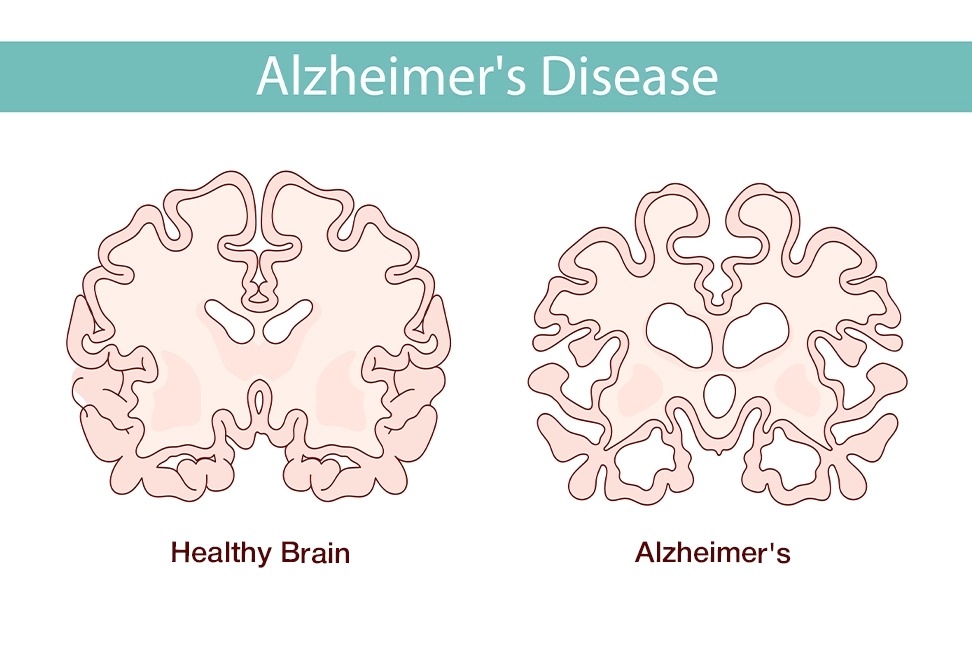
Alzheimer's Disease: When forgetfulness Is More Than Just Aging
By Priyambda Sahay
Reviewed by : Ujala Cygnus
June 15, 2026
Have you ever walked into a room and forgotten why you went there, misplaced your keys, or struggled to recall someone's name? Occasional forgetfulness is a normal part of life and can happen due to stress, lack of sleep, or simply growing older. However, when memory problems become frequent, begin affecting daily activities, or interfere with a person's ability to think, communicate, and make decisions, they may be a sign of something more serious.
Alzheimer's disease is the most common cause of dementia and is a progressive brain disorder that gradually damages brain cells. Over time, it affects memory, thinking, behavior, and the ability to perform everyday tasks independently. While Alzheimer's is more commonly seen in older adults, it is not an inevitable part of aging, nor does every memory problem indicate Alzheimer's disease.
Recognising the early warning signs such as forgetting recent conversations, repeatedly asking the same questions, getting confused about time or place, or experiencing changes in mood and personality can make a significant difference. Although there is currently no complete cure for Alzheimer's disease, early diagnosis, appropriate treatment, and lifestyle modifications can help manage symptoms and improve quality of life.
Understanding the difference between normal age-related forgetfulness and Alzheimer's disease is the first step toward timely medical intervention and better brain health.
Overview
According to doctors, the illness profoundly impacts on a person’s memory, thinking, learning, and organisational abilities, eventually affecting their capacity to perform basic everyday tasks. Alzheimer's disease is not an expected aspect of aging.
The signs and symptoms of Alzheimer’s get worse with time. When memory issues do become apparent, they are frequently classified as mild cognitive impairment (MCI). At this point, the brain adjusts to the effects of the disease, affecting intellectual function but leaving the ability to operate and live independently unaffected.
MCI may continue to progress in some people at this point. However, dementia is most likely to progress in MCI patients. The most prevalent type of dementia is Alzheimer’s disease. Dementia may also be brought on by several conditions, including vascular dementia, Parkinson’s disease, dementia with lewy bodies, frontotemporal dementia, and others. The daily function is compromised with dementia. Alzheimer’s disease patients who have advanced dementia are unable to communicate, recognize friends and relatives, or take care of themselves.
Symptoms
The primary sign of Alzheimer's disease is memory loss; Early warning indications include having trouble recalling previous conversations or occurrences. Memory deficits worsen as the disease advances and new symptoms appear.
A person with Alzheimer's disease may initially be aware of having trouble organizing their thoughts and remembering things. It is possible that a friend or family member would notice the symptoms getting worse first. Alzheimer’s disease related brain alterations cause increasing problems with:
Memory
Thinking and reasoning
Making judgments and decisions
Planning and performing familiar tasks
Changes in personality and behavior
Preserved skills
Causes
Protein accumulation that is out of the ordinary in the brain is what leads to Alzheimer's disease. These proteins, amyloid and tau proteins, accumulate and cause cell death. Over 100 billion nerve cells and other types of cells make the human brain. Together, the nerve cells carry out all the communications required to carry out tasks like thinking, learning, remembering, and planning.
Accumulation of amyloid protein, which forms bigger aggregates known as plaques in the brain cells, is thought to occur. Tau tangles are made of twisted tau protein fibers. These plaques and tangles obstruct nerve cell communication, which prevents nerve cells from performing their functions. The symptoms experienced by people with Alzheimer's disease are caused by the slow and continuous death of the nerve cells. Which begins in one area of the brain(often in the brain that governs memory) before spreading to other places.
Diagnosis
Physical and neurological exam
Tests
Lab tests
Future diagnostic tests
Mental status and neuropsychological testing
Brain imaging
Treatment
Drugs such as:
Cholinesterase inhibitors
Memantine (Namenda)
Risk factors
Age
Family history and genetics
Dr
Rishu Garg, Neurologist
, Ujala Cygnus
Amritdhara My Hospital, Karnal answers some important questions related to Alzheimer’s disease.
What is Alzheimer's disease?
Alzheimer's disease is a condition that affects the brain. It slowly damages brain cells over time. This can lead to problems with memory, thinking, and behavior. The symptoms usually get worse over time. It is the most common cause of dementia.
How is Alzheimer's disease different from normal forgetfulness?
Normal forgetfulness can mean sometimes forgetting a name or where you put something. Usually, the person remembers it later. It usually does not cause major problems in daily life. This can happen with aging, stress, or poor sleep.
With Alzheimer's disease, memory problems happen more often and slowly get worse over time. A person may forget important events, conversations, or even familiar people. Everyday tasks may become harder to do. It can also affect thinking, judgment, and behavior.
What are the early signs of Alzheimer's disease?
Early signs may include often forgetting recent conversations or events. A person may ask the same question repeatedly. They may also misplace things more often. They may have trouble finding the right words while speaking. Some people may become confused about dates, time, or place. Planning or managing simple tasks may become difficult. Changes in mood or personality can also happen.
Does Alzheimer's disease affect only older adults?
No, it is more common in older adults, but younger people can also develop it. Most people with Alzheimer's disease are over the age of 65. In some cases, it can start at a younger age. This is called early-onset Alzheimer's disease. Anyone with ongoing memory problems should speak with a doctor.
Is there a cure for Alzheimer's disease?
At present, there is no complete cure for Alzheimer's disease. However, some medicines can help manage the symptoms. Treatment may help a person stay independent for longer. Early diagnosis and treatment can improve quality of life. Research is still ongoing to find better treatments and a cure.
Can Alzheimer's disease be prevented?
There is no sure way to prevent Alzheimer's disease. Regular exercise may help lower the risk. It is also important to manage blood pressure, diabetes, and cholesterol. Keeping the mind active through reading, learning, and social activities may also help. Good sleep and a healthy diet are also good for brain health.
Does every memory problem mean Alzheimer's disease?
No, not every memory problem is caused by Alzheimer's disease. Stress, anxiety, depression, poor sleep, and vitamin deficiencies can all affect memory. Some medicines can also cause memory problems. Thyroid problems and other health conditions can also affect memory. A doctor can help find the real cause.
If you have specific questions related to Alzheimer’s disease, please get in touch with the nearest
Ujala Cygnus Hospital
or reach our health experts at
askadoctor@ujalacygnus.com.
or
Click here
to book an appointment with Dr Rishu Garg.
FAQ
When should someone see a doctor for memory problems?
You should consult a doctor if memory loss starts affecting daily activities, work, social interactions, or personal safety. Warning signs include repeatedly forgetting important information, getting lost in familiar places, difficulty managing finances, or noticeable changes in behavior and personality. Early evaluations can help identify the cause and ensure timely treatment.
What is the difference between Alzheimer's disease and dementia?
Dementia is not a specific disease, but a general term used to describe a decline in memory, thinking, and reasoning abilities that interfere with daily life. Alzheimer's disease is the most common cause of dementia, accounting for a large proportion of dementia cases worldwide.
Can lifestyle changes help people living with Alzheimer's disease?
Yes, while lifestyle changes cannot cure Alzheimer's disease, they can help improve overall well-being and quality of life. Regular physical activity, a balanced diet, adequate sleep, mental stimulation, social engagement, and management of other medical conditions can support brain health and help patients remain independent for longer.
Is Alzheimer's disease hereditary?
Having a family history of Alzheimer's disease may increase the risk, but it does not mean a person will develop the condition. Most cases are influenced by a combination of age, genetics, lifestyle, and environmental factors. People with a strong family history should discuss their concerns with a healthcare professional.
How can family members support a loved one with Alzheimer's disease?
Family members can help by creating a safe and structured environment, maintaining daily routines, encouraging social interaction, providing emotional support, and accompanying the patient to medical appointments. Patience, understanding, and caregiver education play an important role in improving the quality of life for both the patient and the family.
Can Alzheimer's disease be detected early?
Yes, early diagnosis is possible through detailed medical history, neurological examination, memory and cognitive assessments, blood tests, and brain imaging when required. Detecting the disease early allows patients and families to plan treatment, lifestyle modifications, and long-term care more effectively.
Loading...