
Heart Attack Symptoms in Women Can Differ from Men: Know the Warning Signs
By Priyambda Sahay
Reviewed by : Ujala Cygnus
September 30, 2026
Heart attacks are often associated with sudden, severe chest pain. However, that is not always how a heart attack presents—particularly in women.
Chest pain or discomfort remains the most common symptom in both women and men, but women are more likely to experience additional symptoms such as unusual tiredness, shortness of breath, nausea, indigestion, or pain in the back, shoulder, arm, neck or jaw. These symptoms can occur with or without chest discomfort.
Recognising these warning signs is important because symptoms that appear mild or unrelated to the heart may sometimes be overlooked or mistaken for acidity, indigestion, stress or fatigue.
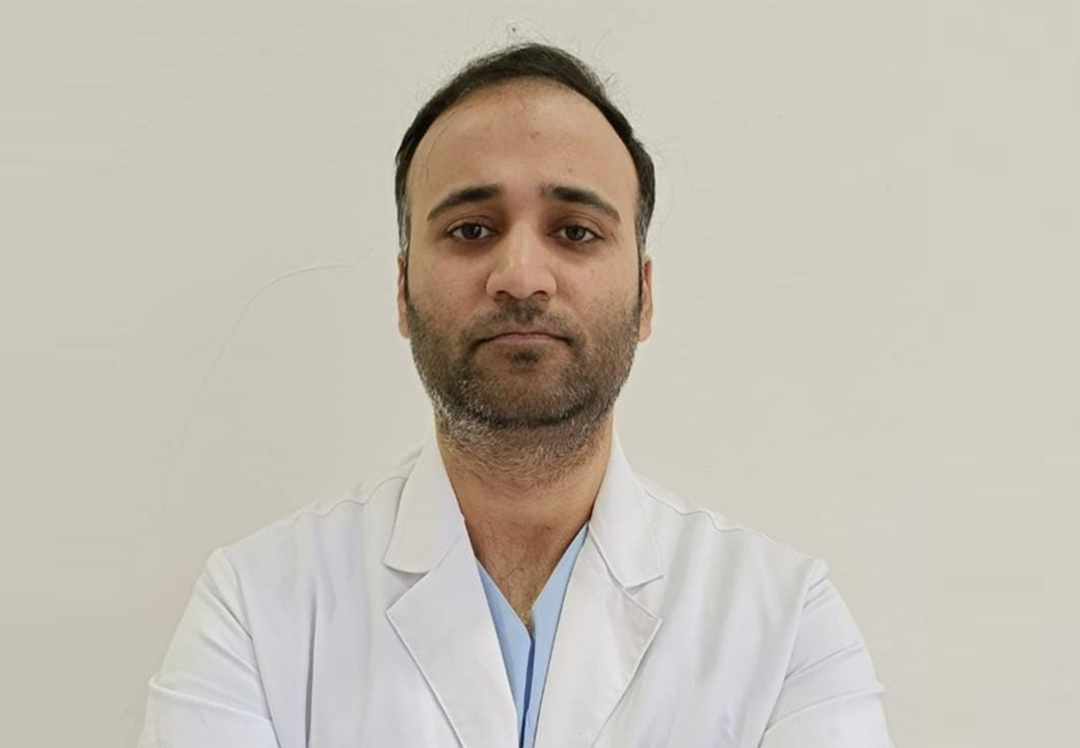
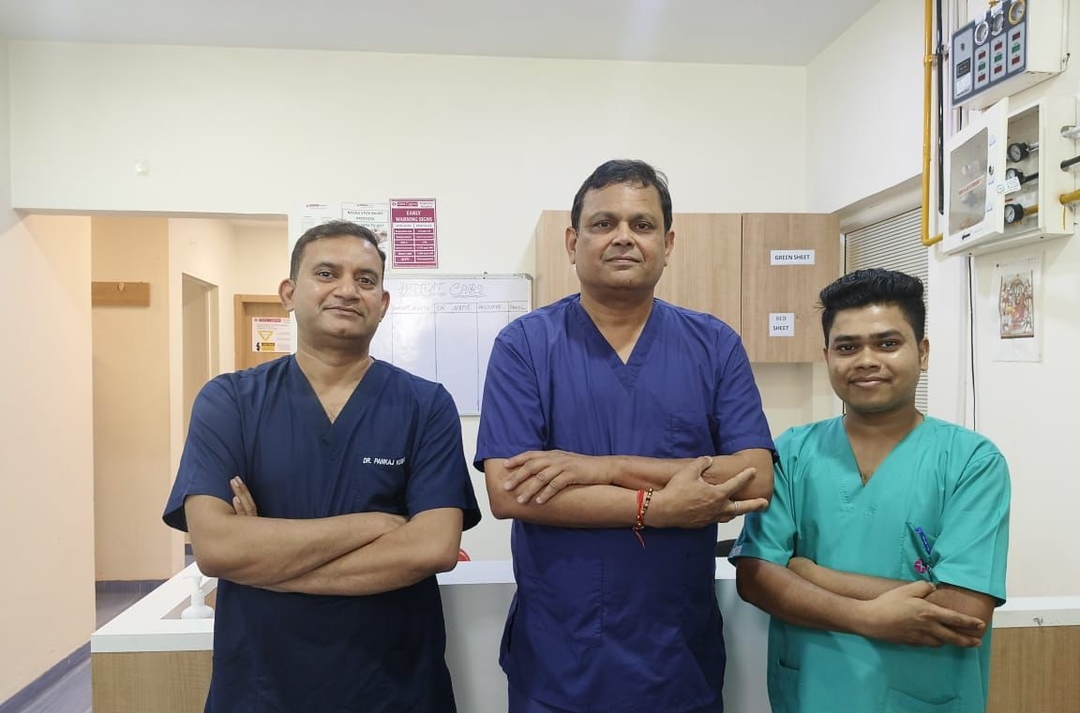
Dr Najmus Saqib, Sr Cardiologist
, Ujala Cygnus JK
Medicity Hospital, Jammu
has shared several important points related to arrhythmia.
Why Heart Attack Symptoms May Look Different in Women
Heart attacks occur when blood flow to part of the heart muscle is severely reduced or blocked. While the underlying mechanisms can vary, research shows that women may have different symptom patterns and may be more likely to experience symptoms that are not traditionally associated with a heart attack.
This does not mean that women do not experience typical chest pain. In fact, chest discomfort is still a common symptom. The important point is that women should also recognise the other possible warning signs.
Chest Pain or Discomfort
Chest discomfort may feel like pressure, squeezing, fullness, heaviness or pain in the centre of the chest. It may last for several minutes or come and go.
Women should not assume that the absence of severe chest pain rules out a heart attack.
Pain in the Back, Neck, Jaw, Shoulder or Arm
Heart attack-related discomfort can extend beyond the chest. Women may experience pain or pressure in the:
Upper back
Neck
Jaw
Shoulder
One or both arms
Upper abdomen
These symptoms may occur with or without chest discomfort.
Shortness of Breath
Breathlessness can be an important warning sign. It may occur with chest discomfort or on its own. Some women may feel unusually breathless during activities that normally would not leave them short of breath.
Sudden or severe breathlessness should never be ignored.
Unusual or Extreme Fatigue
Feeling tired after a busy day is common. However, unusual, unexplained or overwhelming fatigue can sometimes accompany a heart attack in women.
If tiredness is sudden, persistent or occurs along with other symptoms such as breathlessness, nausea or chest discomfort, medical attention is important.
Nausea, Vomiting or Indigestion
Some women experiencing a heart attack may develop nausea, vomiting, an upset stomach or discomfort that may feel similar to indigestion.
Because these symptoms can have many other causes, they are easy to dismiss. But when they occur together with breathlessness, sweating, chest discomfort, unusual fatigue or pain in the upper body, they may indicate a cardiac emergency.
Cold Sweating, Dizziness or Light-headedness
Breaking into a cold sweat, feeling dizzy or becoming light-headed can also occur during a heart attack. These symptoms may be particularly concerning when they appear suddenly and are accompanied by other warning signs.
Who Is at Higher Risk?
Several established risk factors can increase the likelihood of heart disease and heart attack. These include:
High blood pressure
Diabetes or high blood sugar
High cholesterol
Smoking or tobacco use
Physical inactivity
Overweight or obesity
Unhealthy diet
Family history of heart disease
Increasing age
For women, certain reproductive and pregnancy-related factors can also influence long-term cardiovascular risk. These include preeclampsia, gestational diabetes and early menopause.
High blood pressure and other conventional risk factors are particularly important to manage.
What Should You Do If You Notice These Symptoms?
Do not wait for the symptoms to become severe.
If you experience possible heart attack symptoms—especially chest discomfort, sudden breathlessness, pain in the jaw/back/arm, cold sweating, nausea, dizziness or unusual weakness—seek emergency medical care immediately.
A heart attack is a medical emergency, and early treatment can reduce damage to the heart.
It is also important not to self-diagnose symptoms as acidity, gas, stress or tiredness when they are sudden, unusual or persistent.
How Can Women Protect Their Heart?
Heart health starts with understanding and managing risk factors. Women can support cardiovascular health by:
Monitoring blood pressure, blood sugar and cholesterol
Avoiding tobacco
Staying physically active
Following a balanced, heart-friendly diet
Maintaining a healthy weight
Getting adequate sleep
Managing stress
Attending regular health check-ups
Discussing personal and family history with a healthcare professional
For women who have experienced pregnancy-related complications such as preeclampsia or gestational diabetes, discussing long-term cardiovascular risk with a doctor can also be important.
The Key Message: Don't Ignore the Less-Obvious Signs
A heart attack in a woman may not always look like the classic picture of sudden, crushing chest pain. Chest discomfort is still common, but unusual fatigue, breathlessness, nausea, cold sweating, dizziness and pain in the back, jaw, shoulder or arm can also be warning signs.
Knowing these symptoms can help women and their families recognise a potential emergency and seek timely medical care.
At Ujala Cygnus Hospitals, our cardiac care teams provide evaluation and treatment for a range of heart conditions. If you have recurring or concerning cardiac symptoms, consult a qualified cardiologist rather than ignoring them.
If you want to know how to protect your heart or if you have questions related to cardiac health, consult a cardiologist at your nearest Ujala Cygnus Hospitals or email askadoctor@ujalacygnus.com to connect with our specialists. To book an appointment click here.
FAQ
Frequently Asked Questions
1. What are some simple ways to keep my heart healthy?
Regular physical activity, a balanced diet, maintaining a healthy weight, managing stress, getting adequate sleep, avoiding tobacco, and limiting alcohol can support heart health. Regular health check-ups can also help identify risk factors early.
2. What are the common warning signs of a heart attack?
Common warning signs may include chest pain or pressure, shortness of breath, unusual sweating, nausea, dizziness, or pain that spreads to the arm, shoulder, back, neck, or jaw. Symptoms can vary from person to person, so sudden or unexplained symptoms should not be ignored.
3. Can heart problems occur without obvious symptoms?
Yes, some cardiovascular conditions may develop without noticeable symptoms, particularly in their early stages. This is why people with risk factors such as diabetes, high blood pressure, high cholesterol, obesity, smoking, or a family history of heart disease should discuss appropriate screening and check-ups with a healthcare professional.
4. When should I seek emergency medical attention for possible heart symptoms?
Seek emergency medical care if you experience sudden or severe chest discomfort, difficulty breathing, fainting, or other symptoms that could indicate a heart attack. Do not wait for the symptoms to disappear on their own, particularly if they are new, severe, or worsening.
5. How can I reduce my risk of heart disease?
You can reduce your risk by following a heart-healthy lifestyle, staying physically active, eating a nutritious diet, maintaining a healthy weight, avoiding tobacco, managing stress, and keeping conditions such as diabetes, high blood pressure, and high cholesterol under control. Regular medical check-ups can help monitor these risk factors and support timely intervention.
----------
Loading...