Modern Medical Technology Has Made Brain and Spine Surgery Safer: Understanding the Advances in Neurosurgery
By Priyambda Sahay
Reviewed by : Ujala Cygnus
August 26, 2026
For decades, neurosurgery was considered a highly complex procedure associated with significant risks and prolonged recovery. However, advances in medical technology have transformed the field. Today, the focus of neurosurgery is not only on treating the underlying condition but also on preserving the patient's mobility, cognitive and neurological functions while minimising damage to healthy tissue.
Dr. Kunj Bihari
Saraswat,
Senior Neurosurgeon at
Ujala
Cygnus BrightStar Hospital, explains the latest advances in neurosurgical techniques and how modern technology is helping make complex brain and spine procedures more precise and minimally invasive.
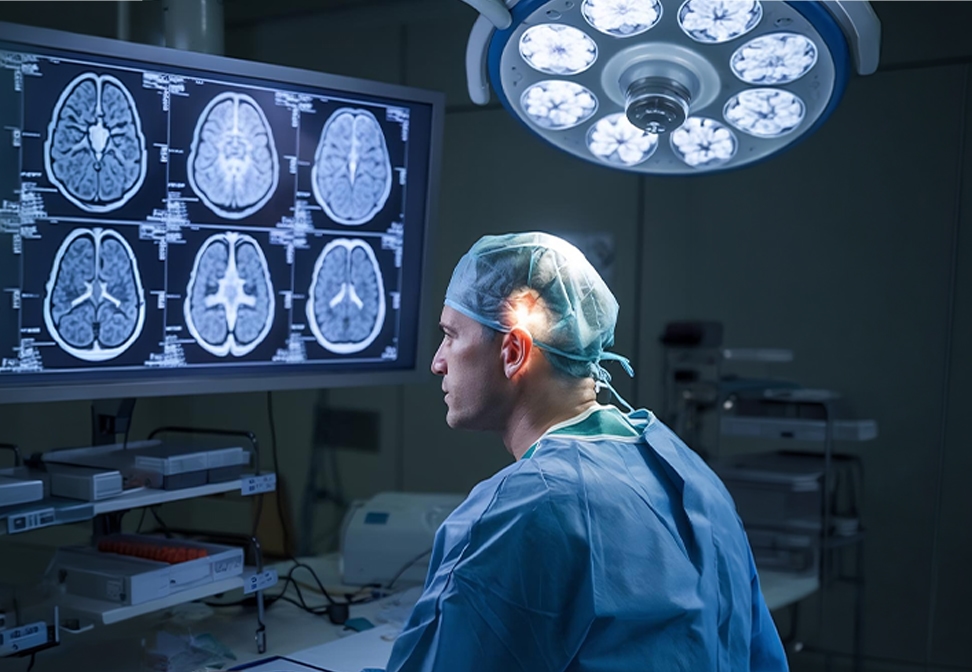
According to Dr. Saraswat, advances in neurosurgery have significantly improved surgical precision and patient safety. With the introduction of digital imaging and navigation systems, robotic-assisted technologies and highly specialised micro-instruments, surgeons can access delicate structures of the nervous system with a level of precision that was not possible in the past.
Technologies That Enhance Patient Safety
Minimally Invasive Techniques:
These techniques use small incisions and specialised instruments or tubes to access the surgical site, helping minimise damage to surrounding muscles and healthy tissue.
High-Definition Image-Guided Navigation:
Advanced MRI and CT imaging, combined with real-time navigation systems, help surgeons accurately identify and access the target area during surgery. These systems provide detailed anatomical guidance and improve surgical precision.
Robotic-Assisted Technology:
Robotic-assisted systems can help surgeons perform highly precise procedures by providing enhanced stability and accuracy. These technologies may be particularly useful in selected spinal procedures and other specialised interventions.
Continuous Neuromonitoring:
Intraoperative neuromonitoring allows the surgical team to continuously monitor the function of important nerves and neurological pathways during surgery. It can provide alerts if there are changes that may indicate potential injury to critical structures.
Together, these advances have transformed many complex neurosurgical procedures. Depending on the condition and the patient's overall health, modern techniques may help reduce blood loss, minimise tissue damage, shorten hospital stays and support faster recovery.
What Is Neurosurgery?
Neurosurgery is a medical super-specialty focused on the diagnosis and treatment of conditions affecting the brain, spinal cord and peripheral nerves
. It involves much more than surgery and includes patient evaluation, diagnosis, medical management, counselling and determining whether surgical intervention is necessary.
What Conditions Are Treated by Neurosurgeons?
Neurosurgeons treat a wide range of complex neurological and spinal conditions, including:
Brain tumours
Severe head injuries
Brain hemorrhage
Slipped or herniated discs
Cervical spondylosis and nerve compression
Lower back and neck disorders
Spinal tumours
Spinal fractures
Hydrocephalus (accumulation of fluid in the brain)
Congenital brain and spinal abnormalitiesTrigeminal neuralgia (severe facial nerve pain)
Selected complex cases of epilepsy requiring surgery
Selected patients with Parkinson's disease who may benefit from surgical treatment
Does Every Patient Require Surgery?
Absolutely not,
this is one of the most common misconceptions about neurosurgery.
Many neurological and spinal conditions can be managed with medications, physiotherapy, exercise and lifestyle modifications. Surgery is generally considered only when it is expected to provide a clear benefit, or when conservative treatment is not effective or there is a risk of neurological deterioration.
Which Symptoms Should Not Be Ignored?
Certain neurological symptoms require prompt medical evaluation. Consult a specialist if you experience:
Persistent or severe headaches
Sudden weakness in the arms or legs
Difficulty speaking, reading or performing familiar tasks
Numbness or loss of sensation in any part of the body
Lower back pain radiating to the legs
Neck pain radiating to the arms
Difficulty walking or maintaining balance
Loss of bladder or bowel control
Recurrent seizures or unexplained loss of consciousness
Sudden neurological symptoms, particularly weakness, speech difficulties or loss of consciousness, can indicate a medical emergency and require immediate medical attention.
Can Disc Problems Be Treated Without Surgery?
Yes, many patients with slipped or herniated discs can recover without surgery. Depending on the severity of symptoms, treatment may include medication, physiotherapy, activity modification and appropriate exercises.
However, surgery may be required when there is significant or progressive nerve compression, increasing weakness, severe persistent symptoms despite conservative treatment, or loss of bladder or bowel control.
Is Treatment for Brain Tumours Possible?
Treatment options for brain tumours have advanced significantly with improvements in imaging, surgical techniques, neuro-navigation, operating microscopes and minimally invasive approaches.
The appropriate treatment depends on the type, size, location and grade of the tumour, as well as the patient's overall health. Depending on the diagnosis, treatment may include surgery, radiation therapy, chemotherapy, targeted therapy or a combination of treatments.
Early diagnosis and evaluation by an experienced multidisciplinary team can help determine the most appropriate treatment approach.
How Has Neurosurgery Changed in Recent Years?
Neurosurgery has undergone significant technological advances. High-resolution MRI and CT imaging, operating microscopes, neuro-navigation, endoscopic procedures and minimally invasive techniques have improved the precision of many complex brain and spinal procedures.
These advances can help minimise damage to surrounding tissues, reduce postoperative discomfort and, in selected cases, shorten hospital stays and support an earlier return to normal activities.
What Is the Role of a Neurosurgeon in Brain Stroke?
Not every stroke requires surgery. Many stroke patients are treated with medicines and other non-surgical interventions.
However, in certain severe cases, neurosurgical intervention may be required to manage complications such as increased pressure inside the brain or bleeding. Stroke symptoms should never be ignored. Immediate medical attention is critical because timely treatment can significantly affect outcomes.
What Can Be Done to Reduce the Risk of Stroke and Neurological Problems?
Some lifestyle measures can help reduce the risk of stroke and support overall neurological health:
Keep blood pressure, blood sugar and cholesterol under control.
Avoid smoking and tobacco products.
Exercise regularly.
Maintain a healthy body weight.
Avoid sitting in the same position for prolonged periods.
Maintain proper posture while working, sitting and using digital devices.
Follow a balanced diet.
Do not ignore persistent or sudden neurological symptoms.
What Is Keyhole Brain Surgery?
Keyhole brain surgery is a minimally invasive neurosurgical approach in which surgeons access the affected area through a small opening in the skull rather than a larger traditional opening.
Depending on the condition, specialised microscopes, endoscopes, navigation systems and micro-instruments may be used to reach the target area safely and precisely.
Potential benefits of keyhole surgery in appropriately selected patients may include:
Smaller incision
Less disruption to surrounding tissuesReduced blood loss in selected procedures
Less postoperative discomfort
Lower risk of wound-related complications
Faster recovery in suitable cases
Potentially shorter hospital stay
However, keyhole surgery is not suitable for every patient. The decision depends on the type, size and location of the condition, as well as the patient's overall health and other clinical factors.
What Is Endoscopic Spine Surgery? Is It Better Than Traditional Surgery?
Endoscopic spine surgery is a minimally invasive technique in which a small incision is used to introduce an endoscope—a specialised camera—and fine surgical instruments to access the affected area of the spine.
Depending on the condition, the incision may be around 8–10 mm. The technique may be appropriate for selected patients with slipped discs, nerve compression and certain other spinal conditions.
Potential benefits include:
Very small incision
Minimal disruption to muscles
Less blood loss in selected cases
Reduced postoperative pain
Earlier mobilisation
Potentially faster return to normal activities
However, endoscopic surgery is not necessarily better for every spine patient. The most appropriate surgical approach depends on the patient's diagnosis, anatomy, severity of the condition and overall health. A neurosurgeon or spine specialist should determine the appropriate treatment after a detailed evaluation.
Timely Treatment Can Make a Difference
Dr. Kunj Bihari Saraswat emphasises that significant advances in neurosurgery have made the diagnosis and treatment of many brain and spinal conditions more precise and patient-focused.
The key is to seek timely medical evaluation rather than delay treatment because of fear or misconceptions. Early diagnosis can help doctors determine whether medication, physiotherapy, minimally invasive treatment or surgery is appropriate.
Timely treatment can not only help prevent complications but may also improve a patient's quality of life and chances of returning to normal activities.
If you have questions or need expert advice regarding neurosurgery, please contact your nearest Ujala Cygnus Hospital. You can reach our health experts at askadoctor@ujalacygnus.com or book an appointment with Dr. Kunj Bihari Saraswat.
Frequently Asked Questions (FAQs)
When should one consult a neurosurgeon?
You may need to consult a neurosurgeon if you have been diagnosed with a condition such as a brain tumour, brain hemorrhage, severe head injury, slipped disc or spinal cord disorder. Certain symptoms, such as sudden weakness, loss of sensation, seizures or loss of bladder or bowel control, also require prompt medical evaluation.
Does visiting a neurosurgeon always mean undergoing surgery?
No, consulting a neurosurgeon does not
necessarily mean that surgery will be required. Many neurological and spinal conditions can be managed with medication, physiotherapy, lifestyle modifications and other non-surgical treatments. Surgery is recommended only when it is clinically appropriate.
What precautions should be taken before brain surgery?
Preoperative instructions vary depending on the type of surgery and the patient's medical condition. Your doctor may advise you to temporarily stop certain blood-thinning medicines and undergo specific investigations before surgery. Do not stop any medication, including aspirin or other blood thinners, without your doctor's advice.
It is also important to provide the surgical team with previous MRI, CT scans, medical reports and details of current medications.
Does neurosurgery involve only brain surgery?
No, neurosurgery covers conditions affecting the brain, spinal cord and peripheral nerves. Neurosurgeons may therefore treat a wide range of brain, spine and nerve-related conditions.
Is neurosurgery always performed through open surgery?
No, depending on the condition, modern neurosurgery may involve minimally invasive approaches, including keyhole and endoscopic techniques. These approaches use smaller incisions and specialised instruments and may reduce tissue disruption and support faster recovery in appropriately selected patients.
Loading...