After How Many Days of Your Period Can You Get Pregnant? Complete Fertility Guide
By Doctor Nidhi Thakur
Reviewed by : Ujala Cygnus
July 25, 2026
Women often wonder how soon after their period they can become pregnant. The answer is not the same for everyone. Although the days immediately after menstruation are often considered "safe," pregnancy may still be possible. The likelihood depends largely on when ovulation occurs, which can vary based on the length and regularity of the menstrual cycle. Understanding the menstrual cycle and fertile window can help you make informed decisions, whether you are planning a pregnancy or trying to avoid one. To help, this guide explains when pregnancy may occur after a period, the factors that influence fertility and when to consult a gynaecologist.
Understanding How Your Menstrual Cycle Affects Fertility
Knowing how the menstrual cycle works can help you identify when pregnancy is most likely to occur. The menstrual cycle is a series of natural changes that prepare the body for a possible pregnancy each month. While a 28-day cycle is often used as an example, a healthy menstrual cycle can range from 21 to 35 days in adults, and the length may vary slightly from one cycle to the next. These variations can influence when ovulation occurs and, consequently, when you are most likely to conceive.
The menstrual cycle has four main phases:
Menstrual phase: This is when your period occurs, and the uterus sheds its lining because pregnancy has not occurred.
Follicular phase: After your period begins, hormones stimulate the ovaries to develop follicles, one of which usually releases a mature egg.
Ovulation: Around the middle of the cycle, the mature egg is released from the ovary. This is the time when pregnancy is most likely to occur.
Luteal phase: After ovulation, the body prepares for a possible pregnancy. If fertilisation does not happen, hormone levels fall and the next menstrual period begins.
Since every woman's cycle length and ovulation timing can differ, there is no fixed number of days after your period when pregnancy becomes possible. Understanding your individual cycle is the key to identifying your fertile window.
What is the Fertile Window?
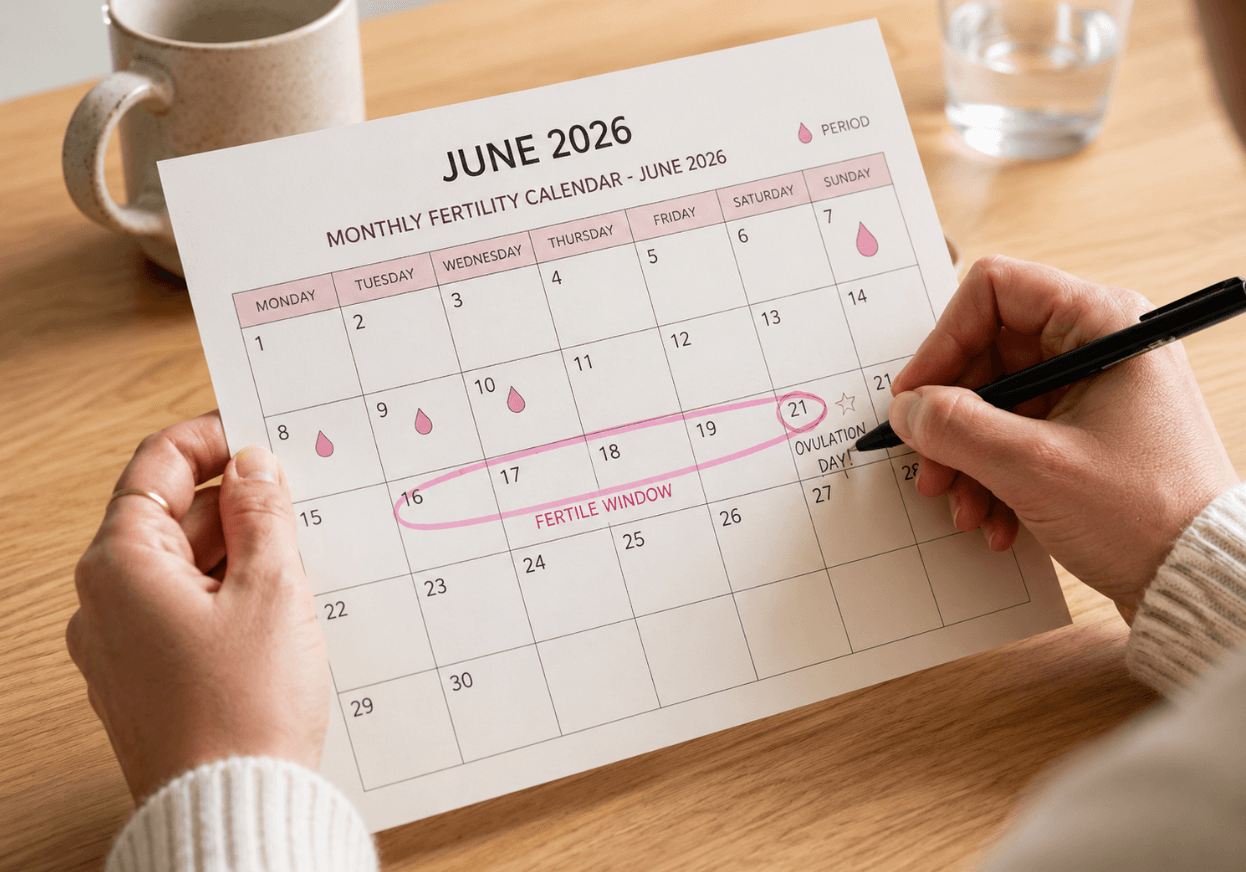
The fertile window is the time during your menstrual cycle when you are most likely to become pregnant. It includes the five days before ovulation, the day of ovulation, and up to one day afterwards. This is because sperm can survive in the female reproductive tract for up to five days under favourable conditions, while the released egg remains viable for about 12 to 24 hours. If sperm are already present when ovulation occurs, fertilisation can take place.
For women with regular menstrual cycles lasting 26 to 32 days, the American College of Obstetricians and Gynecologists (ACOG) states that the fertile window generally falls between days 8 and 19 of the cycle. However, this is only a general guide. Ovulation can vary from person to person and may also occur at different times from one cycle to the next. Rather than relying on a specific number of days after your period, understanding your fertile window offers a more reliable way to identify when pregnancy is possible.
When Can You Get Pregnant After Your Period?
The chances of pregnancy after your period depend on your ovulation. There is no fixed number of days after your period when pregnancy becomes possible because every woman's menstrual cycle is different.
For women with a typical 28-day cycle, ovulation usually occurs around the middle of the cycle, so the days immediately after the period are generally considered less fertile. However, this does not mean the chance of pregnancy is zero. Since sperm can survive in the female reproductive tract for up to five days, having unprotected sex shortly after your period may result in pregnancy if you ovulate earlier than expected.
The possibility is higher in women with shorter menstrual cycles, such as those lasting fewer than 24 days, because ovulation may occur soon after menstruation ends. Similarly, women with irregular cycles may find it difficult to predict when ovulation will occur, making it harder to identify less fertile days.
For this reason, the idea of "safe days" should not be relied upon as a method of contraception. If you wish to avoid pregnancy, it is important to use a reliable contraceptive method. If you are trying to conceive, understanding your menstrual cycle and fertile window can help you identify the days when pregnancy is most likely.
How the Chances of Pregnancy Change Throughout Your Menstrual Cycle
The likelihood of becoming pregnant changes throughout your menstrual cycle because fertility depends on when ovulation occurs. In general, the closer you are to ovulation, the higher your chances of conception. The table below provides a general overview based on a 28-day menstrual cycle. However, it is important to remember that every woman's cycle is different, and ovulation may occur earlier or later than expected.
Note: This timeline is provided as a general example and should not be used to predict ovulation or as a method of contraception. Women with shorter, longer, or irregular menstrual cycles may ovulate at different times, causing their fertile window to vary from one cycle to the next. Understanding your menstrual cycle and consulting a gynaecologist, if needed, can help you better identify when pregnancy is most likely.
Factors Affecting Ovulation and Fertility Timing
Although ovulation often occurs around the middle of the menstrual cycle, the exact timing can vary from month to month. Since the fertile window depends on when ovulation happens, changes in the body or lifestyle can affect the chances of getting pregnant after your period. Some common factors that can influence ovulation and fertility timing include:
1. Menstrual Cycle Length and Regularity
Women with shorter or longer menstrual cycles may ovulate earlier or later than expected. Irregular periods can make it more difficult to predict the fertile window because ovulation may not happen at the same time each month.
2. Hormonal Changes
Hormones such as oestrogen, progesterone, luteinising hormone (LH), and follicle-stimulating hormone (FSH) regulate ovulation. Any hormonal imbalance, including conditions like polycystic ovary syndrome (PCOS) or thyroid disorders, may affect the timing or occurrence of ovulation.
3. Stress and Emotional Health
High levels of physical or emotional stress can influence hormone production and may delay or disrupt ovulation. This can affect the timing of the fertile window and make pregnancy planning less predictable.
4. Age and Fertility Changes
Age can influence egg quality and reproductive hormone levels. Fertility generally declines with age, particularly after the mid-30s, which may affect the chances of conception even when ovulation occurs regularly.
5. Lifestyle Factors
Factors such as significant weight changes, poor nutrition, lack of physical activity, excessive exercise, smoking, and alcohol consumption can affect hormonal balance and reproductive health.
6. Medical Conditions and Medications
Certain health conditions, including endometriosis, PCOS, thyroid problems, and other reproductive disorders, may affect ovulation. Some medications can also influence hormone levels or menstrual cycle patterns.
If you have irregular periods, difficulty predicting ovulation, or have been trying to conceive without success, consulting a gynaecologist can help identify possible causes and provide appropriate guidance.
How to Track Your Fertile Window
Tracking your fertile window can help you understand when you are most likely to conceive. Since sperm can survive inside the female reproductive tract for several days and the egg remains available for fertilisation for a shorter period after ovulation, identifying the days around ovulation can improve the chances of pregnancy. Some common ways to track your fertile window include:
1. Monitoring Your Menstrual Cycle
Keeping a record of your period dates can help identify patterns in your cycle. For people with regular cycles, ovulation often occurs around 12 to 14 days before the next period begins. However, cycle length can vary, so calendar-based predictions may not always be accurate.
2. Observing Cervical Mucus Changes
Changes in vaginal discharge can provide clues about approaching ovulation. Around the fertile period, cervical mucus may become clear, slippery, and stretchy, often described as similar to raw egg white. This type of mucus helps sperm move more easily through the reproductive tract.
3. Using Ovulation Predictor Kits
Ovulation predictor kits detect a rise in luteinising hormone (LH), which usually occurs shortly before ovulation. A positive result may indicate that ovulation is likely to happen within the next 24 to 36 hours.
4. Tracking Basal Body Temperature
Basal body temperature (BBT) slightly increases after ovulation due to changes in progesterone levels. Recording your temperature daily may help confirm that ovulation has occurred, although it may not predict ovulation in advance.
5. Fertility Tracking Apps
Period and fertility tracking apps can help record cycle patterns, symptoms, and possible fertile days. While they can be useful for awareness, they may not always accurately predict ovulation, especially for those with irregular cycles.
Common Myths About Pregnancy After a Period
There are many misconceptions about when pregnancy can and cannot occur during the menstrual cycle. Understanding the facts can help you make informed decisions about fertility and contraception.
Myth: You cannot get pregnant right after your period.
Fact: Pregnancy is possible after your period, especially if you have a shorter menstrual cycle or ovulate earlier than expected. Since sperm can survive in the female reproductive tract for up to five days, intercourse soon after menstruation may still lead to pregnancy.
Myth: Pregnancy only happens on the day of ovulation.
Fact: Conception is most likely during the fertile window, which includes the five days before ovulation, the day of ovulation, and up to one day after ovulation. This is because sperm can survive for several days before the egg is released.
Myth: Women always ovulate on Day 14 of their cycle.
Fact: Ovulation does not always occur on Day 14. The timing varies depending on the length and regularity of the menstrual cycle and may even differ from one cycle to the next.
Myth: Having regular periods guarantees easy pregnancy.
Fact: Regular periods often indicate that ovulation is occurring, but they do not guarantee fertility. The ability to conceive also depends on factors such as egg quality, sperm health, age, and overall reproductive health.
Myth: You cannot get pregnant during your period.
Fact: Although the chances are generally lower, pregnancy is still possible, particularly if you have a shorter menstrual cycle, ovulate early, or have intercourse towards the end of your period.
Myth: Ovulation tracking apps are always accurate.
Fact: Fertility apps can estimate your fertile days based on previous menstrual cycles, but they may not accurately predict ovulation, especially if your cycles are irregular. Combining app tracking with other fertility signs or ovulation predictor kits can provide a more reliable estimate of your fertile window.
Tips to Improve Your Chances of Conceiving Naturally
While no method can guarantee pregnancy, adopting healthy habits and understanding your body's fertility patterns can improve your chances of conceiving naturally. Along with regular medical check-ups, these simple steps can support your reproductive health:
When to Consult a Gynaecologist About Fertility
Understanding your fertile window can support pregnancy planning, but predicting ovulation is not always straightforward. Medical guidance may be helpful if you have concerns about your menstrual cycle, ovulation patterns or ability to conceive. Consider consulting a gynaecologist if you experience:
A gynaecologist can review your menstrual history, assess ovulation patterns, recommend appropriate tests if needed, and provide personalised advice based on your health and pregnancy goals. Seeking medical advice does not always mean there is a serious concern. Early evaluation can provide clarity, support informed decisions, and help address factors that may affect your chances of conception.
Conclusion
The chances of becoming pregnant after a period are not the same for everyone. They depend on factors such as the timing of ovulation, menstrual cycle length and regularity, sperm survival, and overall reproductive health.
If you are trying to conceive, tracking your cycle and recognising signs of ovulation can help you identify your most fertile days. However, if your periods are irregular, ovulation is difficult to predict or pregnancy has not occurred despite regular attempts, medical guidance can help identify possible causes and determine the appropriate next steps.
For concerns related to menstrual cycles, ovulation or fertility, consult a gynaecologist at Ujala Cygnus. Call +91 9146691466 or book an appointment online for personalised guidance and support.
Explore Blogs

Loading...