How to Lower LDL Cholesterol Naturally: Diet and Lifestyle Tips
By Dr Mandeep Singh
Reviewed by : Ujala Cygnus
September 22, 2026
High LDL levels can cause cholesterol to build up along the inner walls of the arteries, increasing the risk of heart attack, stroke and other cardiovascular diseases. This makes regular cholesterol management important for long-term health. Although adjustments to diet and lifestyle can help lower LDL levels, these measures may not be enough for everyone. Individuals with persistently high cholesterol or underlying health risks may require medical assessment and appropriate treatment. In this article, we'll share diet and lifestyle tips that can help lower LDL cholesterol naturally and also cover when medical evaluation becomes essential.
What is LDL Cholesterol and Why Does it Matter?
Low-density lipoprotein (LDL) is a type of lipoprotein that transports cholesterol, a waxy substance needed for various bodily functions, to different parts of the body. It is commonly known as "bad" cholesterol because higher LDL levels are associated with a greater risk of cardiovascular disease. High LDL cholesterol usually does not cause symptoms and is often identified through a lipid profile during routine health checks.
The ideal LDL cholesterol level varies from person to person and depends on overall cardiovascular risk and health history. A cardiologist can assess these factors and determine whether lifestyle changes alone are appropriate or whether treatment may also be necessary.
Dietary Tips That Can Help Lower LDL Cholesterol
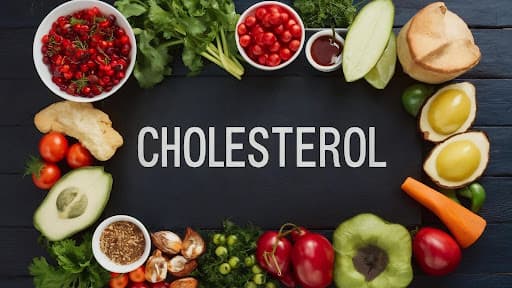
Lowering LDL does not require an extremely restrictive diet. Small, consistent changes can make everyday meals more heart-healthy. The focus should be on increasing fibre-rich foods, choosing healthier sources of fat and replacing highly processed foods with more nutritious options.
Choose More Soluble Fibre
Soluble fibre can help reduce cholesterol absorption in the digestive tract, which can support lower LDL levels. Good sources include:
• Oats and oat bran
• Apples and pears
• Oranges and other fruits
• Lentils
• Chickpeas
• Kidney beans and other legumes
Simple additions can make this easier to follow. Oatmeal at breakfast, dal with lunch or dinner, and fruit as a snack can all increase soluble fibre intake.
Replace Saturated Fats With Healthier Fats
Saturated fat can raise LDL cholesterol. Replacing foods high in saturated fat with foods containing unsaturated fats offers a more heart-friendly approach.
Useful swaps include:
• Butter and other foods high in saturated fat → unsaturated vegetable oils in moderation
• Fatty cuts of meat → leaner protein sources
• Full-fat dairy products → lower-fat alternatives where appropriate
• Deep-fried foods → grilled, baked, roasted or steamed options
The goal is not to eliminate fat from the diet. Instead, choosing healthier sources and appropriate portions can help improve the overall quality of the diet.
Add More Fruits, Vegetables and Whole Grains
Fruits, vegetables and whole grains provide fibre and other nutrients that support a balanced, heart-healthy eating pattern. Regularly including these foods can also make meals more filling without relying heavily on foods high in saturated fat.
Simple changes include adding vegetables to dal or other dishes, choosing whole-grain options more often and including fresh fruit as a snack or part of a meal.
Include Nuts, Seeds and Plant-Based Protein
Nuts, seeds, beans, lentils and soy-based foods provide nutritious sources of plant-based protein and can replace some foods higher in saturated fat.
Unsalted nuts and seeds can make convenient snack options, while dal, chickpeas, rajma, soy and other legumes can add plant-based protein to regular meals. Portion sizes still matter, particularly for calorie-dense foods such as nuts and seeds.
Include Sources of Omega-3 Fats
Omega-3 fatty acids support cardiovascular health and can help manage triglyceride levels. Fatty fish such as salmon and tuna provide omega-3 fats, while walnuts, flaxseeds and chia seeds offer plant-based sources.
Omega-3-rich foods should form part of an overall heart-healthy eating pattern rather than serve as a standalone treatment for high LDL cholesterol.
Make Simple Lifestyle Changes to Support Healthy Cholesterol
Food choices form only part of cholesterol management. Regular movement, healthy weight management and avoiding tobacco also support cardiovascular health.
Stay Physically Active
Regular physical activity can improve cholesterol levels and support overall cardiovascular fitness. Adults should aim for at least 150 minutes of moderate-intensity aerobic activity each week, or 75 minutes of vigorous activity, along with muscle-strengthening activities on at least two days a week, when medically appropriate.
Brisk walking, cycling, swimming and similar activities can help individuals stay active. People who have been inactive can start gradually and increase activity over time.
Maintain a Healthy Weight
Excess body weight can contribute to an unhealthy cholesterol profile. For individuals who are overweight, even gradual weight loss can improve cholesterol and other cardiovascular risk factors.
A sustainable approach works better than crash diets. Balanced meals, regular physical activity and realistic portion sizes can support steady progress.
Avoid Smoking
Smoking damages blood vessels and increases cardiovascular risk. Quitting smoking supports heart health and can also improve HDL cholesterol levels.
Individuals who smoke can speak with a healthcare professional about evidence-based options to help them quit.
Limit Alcohol
Excessive alcohol consumption can increase triglyceride levels, contribute to weight gain and affect overall cardiovascular health. Limiting alcohol intake forms part of a healthier approach to managing cardiovascular risk.
People who do not drink alcohol do not need to start drinking for heart health.
Know When Lifestyle Changes May Not Be Enough
Diet and physical activity play an important role in managing cholesterol, but some people may need additional treatment. Genetics, certain medical conditions, medications and existing cardiovascular disease can affect LDL levels even with healthy lifestyle habits.
Very high LDL cholesterol can also point to an inherited condition such as familial hypercholesterolaemia, which can cause high cholesterol from a young age. In such cases, early evaluation and appropriate treatment can help reduce long-term cardiovascular risk.
A lipid profile helps doctors monitor LDL, HDL, triglycerides and total cholesterol. Based on these results and overall cardiovascular risk, a doctor may recommend lifestyle changes alone or combine them with cholesterol-lowering medication or further evaluation.
When to Seek Cardiologist Care
A cardiologist consultation can be useful when:
• LDL cholesterol stays high despite consistent lifestyle changes.
• LDL levels are very high or rise unexpectedly.
• An individual has a personal or family history of cardiovascular disease, particularly at a young age.
• An individual also has risk factors such as diabetes, high blood pressure or smoking.
• Cholesterol-lowering medication causes concerns or side effects.
• An individual needs help understanding cholesterol results or deciding on the appropriate treatment plan.
Timely evaluation can help doctors identify the right approach to managing cardiovascular risk.
Managing LDL Cholesterol for Better Heart Health
Long-term management of LDL cholesterol can vary from person to person. In some cases, diet and lifestyle changes may be enough, while others may require medical evaluation and treatment. For expert guidance on managing cholesterol and protecting heart health, consult a cardiologist at Ujala Cygnus. Our cardiologists begin with cardiovascular risk assessment and accurate diagnosis, using non-invasive cardiac diagnostic facilities when required. Based on the findings and each patient's condition, they develop personalised treatment plans and provide complete cardiac care under one roof. To book a consultation, you can call 9146691466 or fill out the online form.
Explore Blogs

Loading...