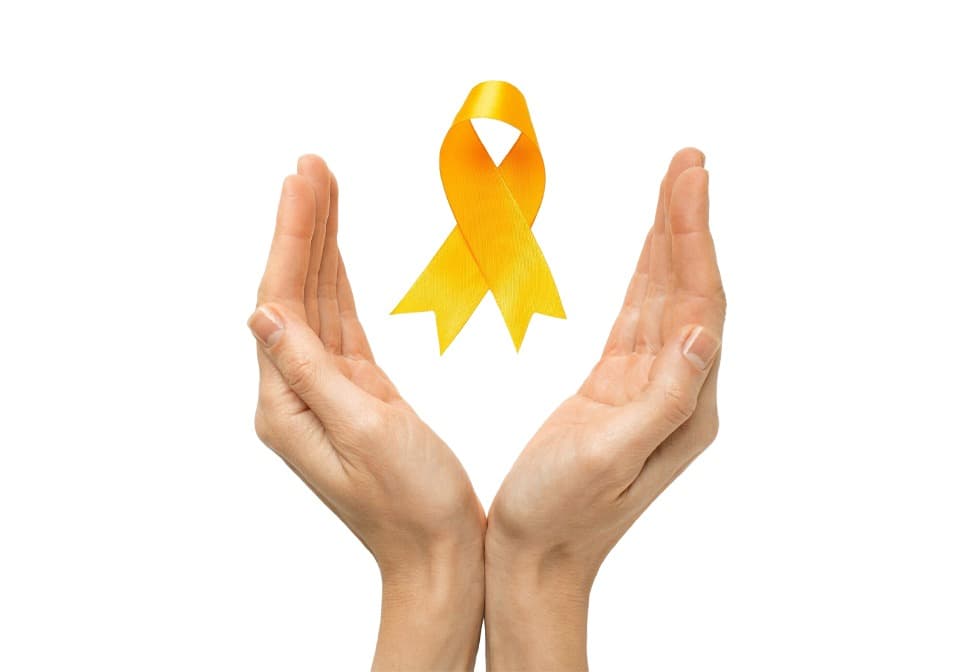
Sarcoma: The Rare Cancer You Should Never Ignore, Early Diagnosis Can Save Lives
By Priyambda Sahay
Reviewed by : Ujala Cygnus
July 21, 2026
Most people are familiar with cancers of the breast, lung, or colon, but very few know about sarcoma, a rare form of cancer that develops in the body's connective tissues. Because its symptoms often appear harmless in the beginning, many patients delay seeking medical attention, allowing the disease to progress. However, with timely diagnosis and appropriate treatment, sarcoma can often be managed successfully.
Sarcoma is a cancer that arises from connective tissues such as bones, muscles, fat, nerves, blood vessels, cartilage, and tendons. Unlike more common cancers that originate in organs, sarcoma can develop almost anywhere in the body. It most commonly affects the arms, legs, bones, abdomen, and pelvis. Although it is considered rare cancer, sarcoma can occur in both children and adults.
One of the biggest challenges with sarcoma is that its early symptoms are often painless. A small lump or swelling may not cause discomfort initially, leading many people to ignore it. However, if a lump continues to grow in size, especially if it becomes larger than five centimeters, it should never be overlooked. Persistent swelling, unexplained pain in the bones or muscles, or a mass that gradually increases in size warrants immediate medical evaluation. Early consultation with an oncologist is essential because diagnosing sarcoma at an early stage significantly improves the chances of successful treatment.
Sarcoma can affect anyone, regardless of age. Certain factors such as inherited genetic conditions, previous radiation therapy, and exposure to specific chemicals may increase the risk of developing the disease. However, in many patients, sarcoma develops without any identifiable cause, making awareness of its warning signs even more important.
Diagnosing sarcoma involves a combination of clinical examination and advanced imaging tests such as X-rays, MRI scans, and CT scans to determine the location and extent of the tumour. A biopsy is then performed to confirm the diagnosis and identify the exact type of sarcoma. Once diagnosed, treatment is planned based on the type, size, location, and stage of the tumour.
Modern treatment for sarcoma usually involves a multidisciplinary approach. Surgery remains the primary treatment for many patients and aims to remove the tumour completely while preserving as much normal tissue as possible. Depending on the type and stage of the disease, chemotherapy, radiation therapy, and targeted therapies may also be recommended to improve outcomes and reduce the risk of recurrence.
The encouraging news is that sarcoma is often treatable, particularly when diagnosed early. Advances in surgical techniques, medical oncology, radiation therapy, and targeted treatments have significantly improved survival rates and quality of life for patients. Timely diagnosis allows doctors to initiate appropriate treatment before the cancer spreads, increasing the likelihood of a successful recovery.
No persistent lump, swelling, or unexplained pain should ever be ignored. Even if the lump is painless, it deserves medical attention if it continues to grow. Delaying consultation can make treatment more challenging, whereas early evaluation can make a life-saving difference.
Sarcoma may be uncommon, but awareness remains the strongest tool in fighting this disease. Recognizing the warning signs, seeking timely medical advice, and completing the recommended treatment and follow-up can greatly improve outcomes. When it comes to sarcoma, early detection is the key to successful treatment and a healthier future.
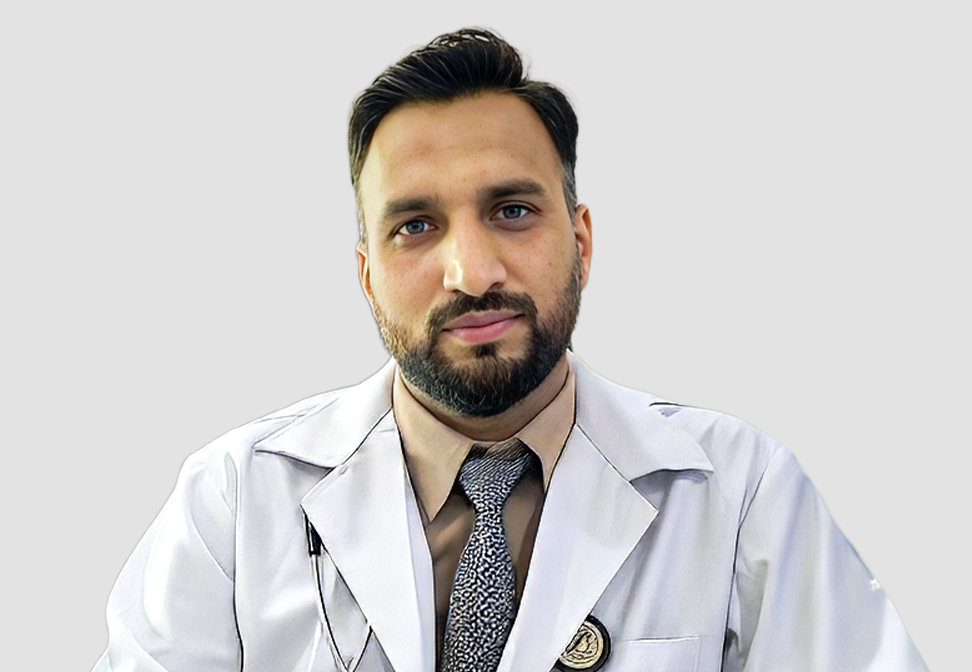
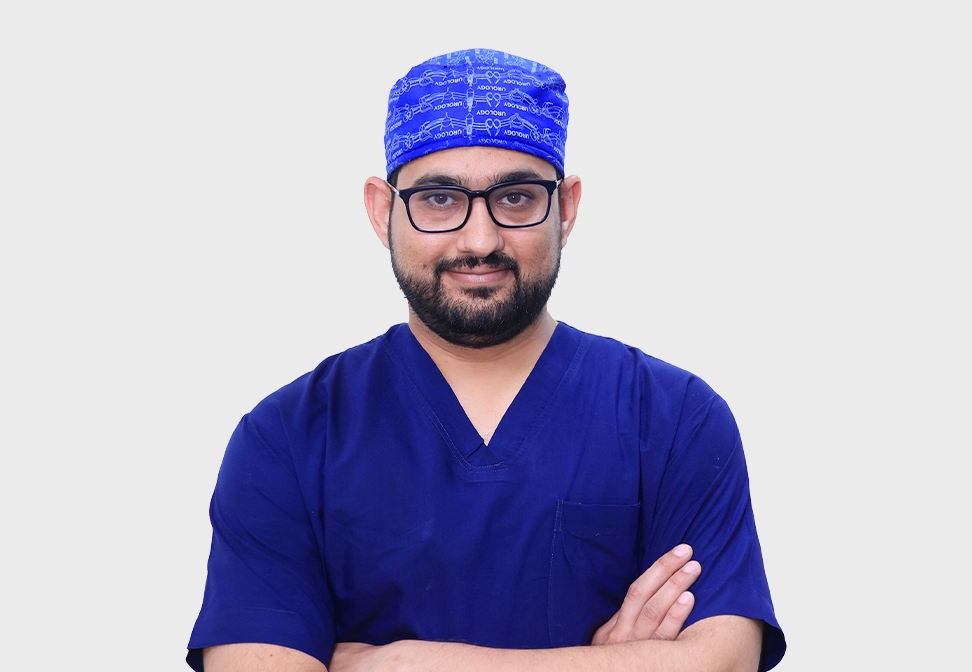
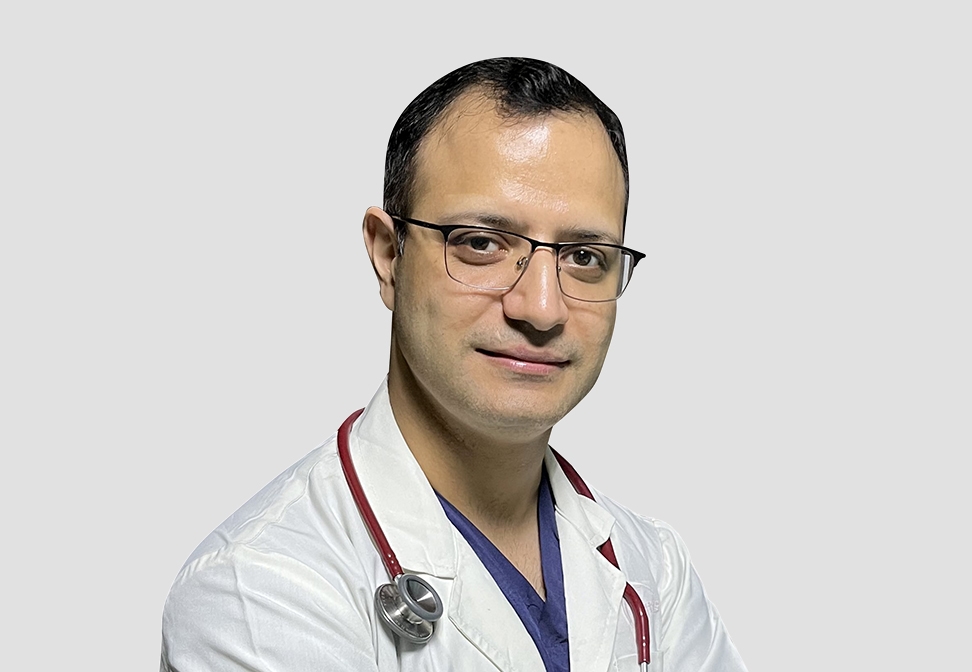
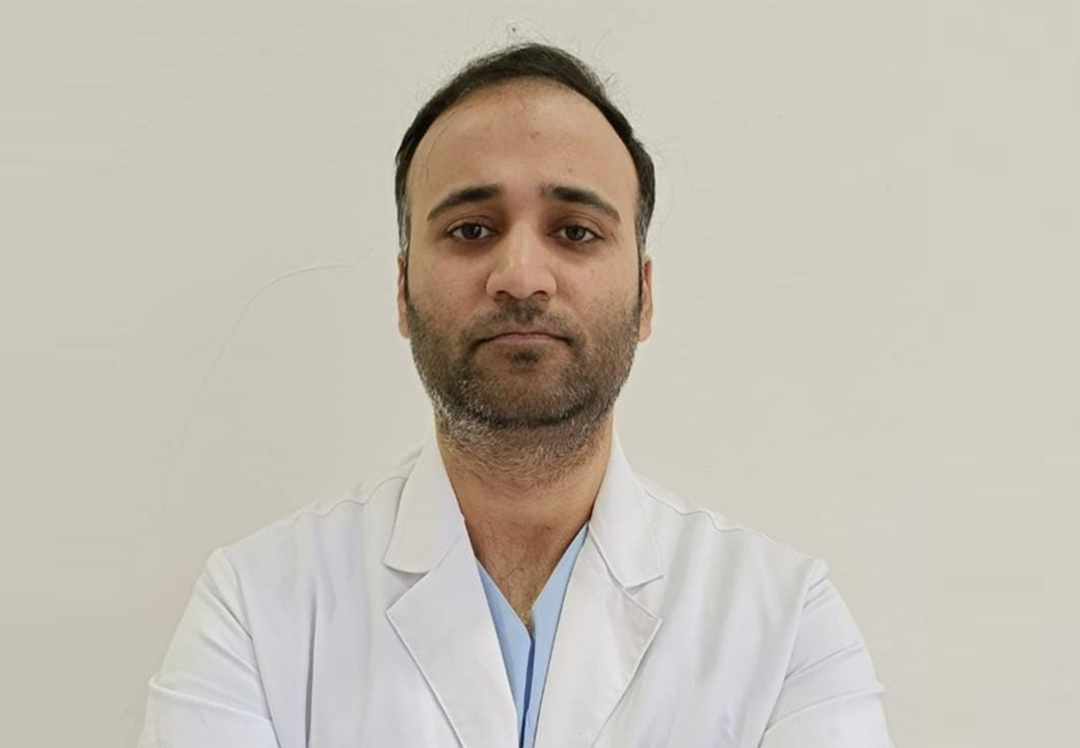
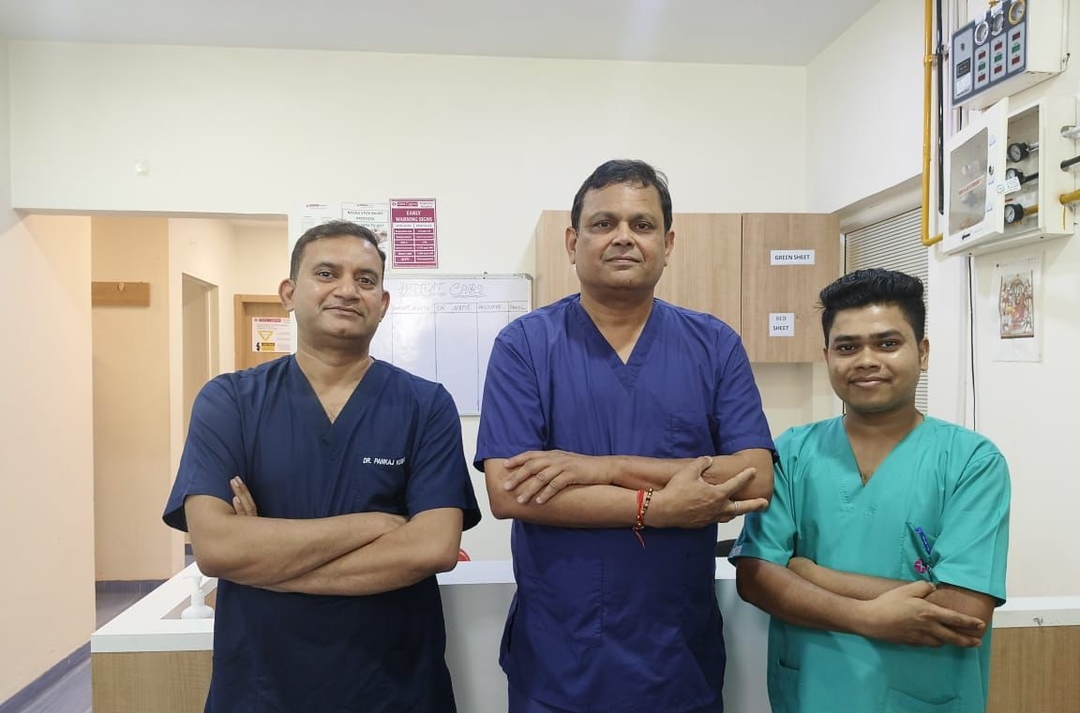
Dr. Ranjan Singh, a specialist in Medical Oncology at Ujala Cygnus Rainbow Hospital, Agra, has addressed several key questions regarding this subject.
1. What is sarcoma and how is it different from other cancers?
Sarcoma is a rare cancer that starts in the body's connective tissue such as bones, muscles, fat, nerves and blood vessels. Unlike common cancers that develop in the organs, sarcoma can occur anywhere in the body, most commonly in the upper and lower limbs, arms, legs, bones, abdomen and pelvis.
2. What are the early warning signs of sarcoma?
So early warning signs are painless lumps that if patient observes it grows in size, there is persistent swelling, unexplained bone or muscle pain, or any lump or mass larger than 5 cm in size should never be ignored, it should be taken seriously, and patient should consult their treating oncologist. Early medical evaluation is essential for timely diagnosis and treatment.
3. Who is at risk of developing sarcoma?
Sarcoma can affect both adults and kids. Sometime genetic health factors, previous radiation therapy and exposure to some chemicals. However, many cases occur without any cause.
4. How is sarcoma diagnosed and treated?
Diagnosis involves imaging tests like MRI, CT scan, X-ray followed by a biopsy to confirm the disease. Treatment may include surgery, chemotherapy, radiation therapy and targeted therapy depending on the type and stage of sarcoma.
5. Can sarcoma be treatable if diagnosed early?
Yes definitely, Early diagnosis significantly increases the chances of improve the successful chances of treatment and cure. Patients should never ignore persistent symptoms, follow their doctor’s advice, complete treatment and attend regular follow-up visits for the best outcomes.
If you have questions regarding sarcoma, please contact your nearest Ujala Cygnus Hospital. You can also reach out to our health experts at askadoctor@ujalacygnus.com or click here to book an appointment with Dr. Ranjan Singh.
FAQ
1. Is every lump or swelling a sign of sarcoma? No. Most lumps are not cancerous. However, any lump that continues to grow, is larger than 5 cm, is deep under the skin, or is associated with persistent pain should be evaluated by a doctor.
2. Where does sarcoma usually occur in the body? Sarcoma most commonly develops in the arms, legs, bones, abdomen, and pelvis. However, it can arise in any part of the body that contains connective tissue.
3. Is sarcoma a common type of cancer? No. Sarcoma is a rare cancer, accounting for less than 1% of all adult cancers. Although uncommon, it can occur in both children and adults.
4. Which doctor should I consult if I suspect sarcoma? If you notice a persistent lump, swelling, or unexplained bone or muscle pain, consult a surgical oncologist, medical oncologist, orthopedic oncologist, or cancer specialist for further evaluation.
5. Can sarcoma be prevented? There is no guaranteed way to prevent sarcoma because most cases occur without a known cause. However, being aware of warning signs, seeking timely medical attention for persistent lumps or swelling, and following up regularly after cancer treatment can improve outcomes.
Explore Blogs

Loading...