
SGPT vs SGOT: Key Differences, Normal Ranges, and What High Levels Mean
By Dr. Arpit Bansal
Reviewed by : Ujala Cygnus
July 21, 2026
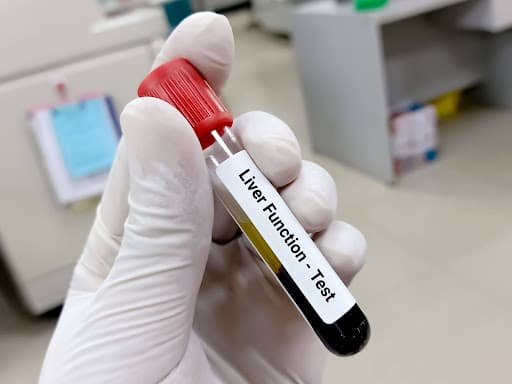
Liver function test reports often include two important enzyme values: SGPT and SGOT. These numbers can look confusing at first, especially when one or both are marked as high. While both enzymes can rise when liver cells are irritated or damaged, they do not always mean the same thing.
SGPT, also called ALT, is more closely linked to the liver, while SGOT, also called AST, may also rise due to injury or inflammation in other parts of the body, including the muscles and heart. This is why doctors usually read SGPT and SGOT together, along with symptoms, medical history, and other liver function test results.
In this blog, we’ll explain the difference between SGPT and SGOT, their normal ranges, what high levels may indicate, and when you should consult a doctor for further evaluation.
SGOT and SGPT: Full Forms and What They Measure
SGPT stands for Serum Glutamate Pyruvate Transaminase. It is also known by its modern name, ALT (Alanine Aminotransferase). SGOT stands for Serum Glutamate Oxaloacetate Transaminase, also referred to as AST (Aspartate Aminotransferase). Both are enzymes - proteins that facilitate chemical reactions in the body.
Under normal circumstances, SGOT and SGPT are found primarily inside liver cells, with low levels circulating in the blood. When liver cells are damaged or inflamed, these enzymes are released into the bloodstream, causing blood levels to rise. A blood test measuring SGOT and SGPT therefore reflects the degree of liver cell injury present at the time of testing.
Both tests are part of the standard liver function test (LFT) panel and are among the most commonly recommended investigations for assessing liver health.
The Difference Between SGPT and SGOT
SGPT and SGOT are both enzymes measured as part of liver function testing. Both can rise when liver cells are irritated, inflamed, or damaged. However, they differ in where they are mainly found and how doctors interpret them.
The key practical difference is specificity. SGPT is more closely linked to liver cell injury, while SGOT is present in several organs. This means a high SGPT level is more suggestive of a liver-related problem, whereas a high SGOT level needs broader clinical interpretation.
Doctors often compare both values together. The SGOT-SGPT ratio may provide useful clues in some cases, but it is not used alone to diagnose a condition. It must be interpreted along with symptoms, medical history, alcohol use, medications, viral markers, imaging, and other liver function test results.
Normal SGOT and SGPT Range for Adults
Normal SGOT and SGPT ranges can vary slightly from one laboratory to another, depending on the testing method, age, sex, and the lab’s reference standards. Your own lab report’s reference range should always be followed first, but many reports use ranges similar to the following:
A value slightly above the upper limit on a single test is not always a sign of serious liver disease. It may be related to temporary factors such as recent strenuous exercise, a short-term illness, alcohol intake, or certain medicines. However, levels that remain high on repeat testing, rise over time, or are significantly above the normal range should be evaluated by a doctor.
SGOT and SGPT results should always be interpreted along with symptoms, medical history, physical examination, and other liver function test results. The numbers alone do not confirm a diagnosis.
SGOT-SGPT Ratio and What it Indicates
The SGOT-SGPT ratio is calculated by dividing the SGOT value by the SGPT value. This ratio can give doctors additional clues about the possible cause of raised liver enzymes, but it cannot confirm a diagnosis on its own.
The SGOT-SGPT ratio is only a clinical guide. Doctors interpret it along with symptoms, alcohol intake, medication history, viral hepatitis markers, bilirubin levels, ultrasound findings, and other liver function test results before identifying the underlying cause.
What Does a High SGPT Level Mean?
A high SGPT level means that liver cells may be irritated, inflamed, or damaged, allowing the enzyme to enter the bloodstream. Since SGPT, also known as ALT, is found mainly in the liver, an elevated value often points toward a liver-related cause. However, it should not be interpreted alone. Doctors usually review SGPT along with SGOT, bilirubin, alkaline phosphatase, symptoms, medication history, alcohol intake, viral markers, and imaging when needed.
The significance of a high SGPT result depends on how far the level is above the upper limit of normal.
Mildly Elevated SGPT: Up to 3 Times the Upper Limit of Normal
A mild rise may be seen with fatty liver disease, mild hepatitis, recent alcohol intake, certain medicines, short-term illness, or intense exercise. In many cases, the cause is manageable once identified.
Moderately Elevated SGPT: 3 to 10 Times the Upper Limit of Normal
A moderate rise needs further evaluation. It may be linked to active hepatitis, significant fatty liver inflammation, medicine-related liver injury, or other liver conditions. Your doctor may recommend repeat testing, viral hepatitis screening, ultrasound, or additional liver function tests.
Markedly Elevated SGPT: More Than 10 Times the Upper Limit of Normal
A marked rise may suggest significant liver injury and should be evaluated promptly. Possible causes include acute viral hepatitis, severe medicine-related liver injury, reduced blood supply to the liver, or autoimmune hepatitis. Urgent medical care may be needed if symptoms such as jaundice, severe abdominal pain, vomiting, confusion, dark urine, or extreme weakness are present.
What Does a High SGOT Level Mean?
A high SGOT level means that cells in the liver or another part of the body may be injured or inflamed, causing the enzyme to enter the bloodstream. SGOT, also known as AST, is found in the liver, heart, skeletal muscles, kidneys, and other tissues. Because of this, a raised SGOT level does not automatically mean liver disease.
When both SGOT and SGPT are elevated, doctors are more likely to consider a liver-related cause. However, when SGOT is high while SGPT is normal or only mildly raised, they may also look for non-liver causes, such as muscle injury, recent strenuous exercise, heart-related injury, or certain medicines.
This is why SGOT is interpreted along with SGPT, bilirubin, alkaline phosphatase, symptoms, medical history, alcohol intake, medication use, and other investigations when needed.
What is the Danger Level of SGPT and SGOT?
There is no single universally agreed "danger level" for SGOT and SGPT, but the following thresholds are widely used as clinical reference points:
Above 3 times the upper limit of normal.
Above 10 times the upper limit of normal.
Above 20 to 25 times the upper limit of normal.
At these levels, the priority is to identify the cause quickly — whether that is a viral infection, medication toxicity, alcohol, or another condition — so that treatment can begin before further liver damage occurs.
It is important to note that very high SGOT and SGPT levels do not always mean permanent liver damage. In conditions such as acute viral hepatitis or drug-induced liver injury, enzyme levels can rise dramatically but may return to normal once the trigger is removed and the liver recovers. Conversely, in advanced cirrhosis, SGOT and SGPT may be only mildly elevated because there are fewer functional liver cells left to release the enzymes. This is why the absolute number must always be interpreted in context.
Common Causes of High SGOT and SGPT
SGOT and SGPT can rise due to several overlapping causes. However, the pattern of elevation, the SGOT-SGPT ratio, symptoms, medical history, and other liver function test results help doctors narrow down the possible reason.
Fatty Liver Disease
Fatty liver disease is a common cause of mildly to moderately raised liver enzymes. It occurs when excess fat builds up in the liver and may lead to inflammation over time. It is often linked to obesity, diabetes, high cholesterol, and metabolic syndrome.
Viral Hepatitis
Hepatitis A, B, C, D, and E can inflame and damage liver cells, causing SGOT and SGPT levels to rise. Acute hepatitis, such as hepatitis A or E, may cause a sharp but temporary rise in enzymes, while chronic hepatitis B or C can lead to ongoing elevation and may require specialist treatment.
Alcohol-Related Liver Disease
Regular or heavy alcohol intake can injure liver cells and increase liver enzymes. In alcohol-related liver injury, SGOT is often higher than SGPT, and the SGOT-SGPT ratio may be more than 2 in many cases. However, this pattern still needs to be interpreted along with alcohol history and other test findings.
Drug-Induced Liver Injury
Certain medicines can affect the liver and cause SGOT or SGPT elevation. These may include high doses of paracetamol, anti-tuberculosis medicines, some antibiotics, anti-seizure medicines, and other drugs. If medicine-related liver injury is suspected, medical review is important before stopping or changing any prescribed medicine.
Autoimmune Hepatitis
Autoimmune hepatitis occurs when the immune system mistakenly attacks liver cells. This can cause significant inflammation and raised liver enzymes. Diagnosis usually requires specialist evaluation, blood tests, imaging, and sometimes a liver biopsy.
Cirrhosis
Cirrhosis is advanced scarring of the liver that can develop after long-term liver injury from different causes. SGOT and SGPT may be raised in earlier stages. In advanced cirrhosis, enzyme levels may sometimes appear only mildly raised or even near normal, so other tests are needed to assess liver function.
Heart or Muscle Injury
SGOT is also found in the heart and skeletal muscles. Because of this, SGOT may rise after a heart attack, muscle injury, intense exercise, or muscle breakdown. In these cases, SGPT may remain normal or be only mildly raised, helping doctors consider non-liver causes.
Factors That Can Affect SGOT and SGPT Levels
Several factors not directly related to liver disease can temporarily affect SGOT and SGPT results. These include:
Strenuous exercise:
Recent alcohol intake:
Medicines and supplements:
Pregnancy-related liver conditions:
Haemolysed blood sample:
Before a liver function test, inform your doctor about any medicines, supplements, recent intense exercise, alcohol intake, pregnancy, or recent illness. This helps ensure your results are interpreted correctly.
When to Consult a Gastroenterologist About Abnormal SGOT or SGPT Levels
A single mildly elevated SGOT or SGPT result may not always need specialist care. In some cases, your general physician may recommend lifestyle changes and a repeat liver function test after a few weeks. However, further evaluation is important if the levels are significantly raised, remain high on repeat testing, or are linked with symptoms.
You should consult a gastroenterologist or hepatologist if:
SGOT or SGPT is more than three times the upper limit of normal
Liver enzyme levels remain elevated on two or more consecutive tests
You have symptoms such as fatigue,
You have risk factors such as diabetes, obesity, regular alcohol use, viral hepatitis risk, or a family history of liver disease
You are taking medicines that may affect liver function and your enzyme levels are rising
Your doctor finds an SGOT-SGPT pattern or ratio that needs further investigation
At Ujala Cygnus Hospitals, our gastroenterology and hepatology teams evaluate abnormal SGOT and SGPT levels along with symptoms, medical history, imaging, viral markers, and other relevant tests. This helps identify the underlying cause and guide the right treatment plan instead of relying on repeat testing alone.
If your SGOT or SGPT levels are elevated, or if you have not had a liver function test as part of a routine health check, consult the gastroenterology and hepatology teams at Ujala Cygnus Hospitals. To book an appointment, call +91 9146691466, visit your nearest Ujala Cygnus hospital, or book directly through our website.
Explore Blogs


Loading...