
CRP Test: What High C-Reactive Protein Levels Mean, Common Causes, and Treatment
By Dr. Rakesh Keshari Swain
Reviewed by : Ujala Cygnus
July 15, 2026
A high CRP level on a blood test report can be confusing, especially because it does not point to one specific condition. It simply indicates that inflammation is present somewhere in the body and needs to be understood in the right clinical context.
In some cases, raised CRP may be linked to a short-term infection or injury. In others, it may be associated with ongoing inflammatory conditions or other health concerns that need further evaluation. This is why doctors do not look at CRP levels in isolation. They consider your symptoms, medical history, examination findings, and other test results before deciding the next step.
In this blog, we’ll explain what a CRP test measures, what high CRP levels may mean, the common causes of raised CRP, and how treatment depends on the underlying cause.
What is the CRP Test and Why is it Done?
Normal reference ranges may vary slightly between laboratories and testing methods. Always follow your doctor’s interpretation of the report, as the CRP value alone cannot confirm the exact cause of inflammation.
C-reactive protein (CRP) is a protein produced by the liver in response to inflammation. Under normal circumstances, CRP levels in the blood are very low. When the body detects infection, tissue injury, or an inflammatory process, the liver rapidly increases CRP production, sometimes within a matter of hours.
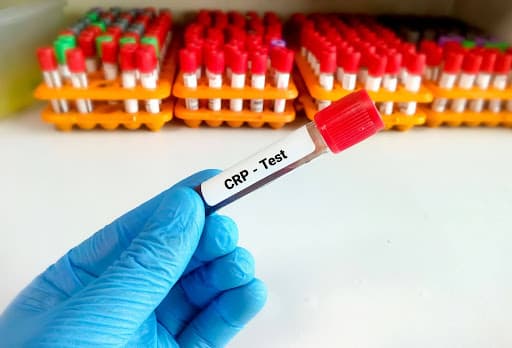
The CRP test is a blood test that measures the concentration of this protein in the bloodstream. It is one of the most widely used markers of systemic inflammation in clinical medicine.
There are two versions of this test. The standard CRP test (also called the CRP quantitative test) measures overall CRP levels and is used when infection, autoimmune disease, or significant inflammation is suspected. The high-sensitivity CRP (hs-CRP) test detects very low levels of CRP and is used specifically to assess cardiovascular risk in otherwise healthy individuals.
Doctors usually recommend a CRP test to detect or monitor infection, assess the severity of inflammation in conditions such as rheumatoid arthritis or inflammatory bowel disease, track response to treatment, or investigate unexplained symptoms such as fever, fatigue, or joint pain.
Understanding CRP Quantitative Test Results
The CRP quantitative test measures the exact amount of C-reactive protein in the blood, reported in milligrams per litre (mg/L). Unlike older qualitative CRP tests, which only showed whether CRP was present or absent, a quantitative test gives a specific number.
This number helps doctors assess how much inflammation may be present in the body. However, CRP is not a diagnosis by itself. The result must be interpreted along with your symptoms, medical history, physical examination, and other test findings.
Normal reference ranges may vary slightly between laboratories and testing methods. Always follow your doctor’s interpretation of the report, as the CRP value alone cannot confirm the exact cause of inflammation.
CRP Level Range and How to Read Your Test Report
CRP results are typically interpreted as follows:
Normal reference ranges may vary slightly between laboratories and testing methods. Always follow your doctor’s interpretation of the report, as the CRP value alone cannot confirm the exact cause of inflammation.
What Does a High CRP Level Mean?
A high CRP level means the body is experiencing a significant inflammatory response. It does not, on its own, identify what is causing that response. Think of it as a fire alarm; it tells you that something is wrong, but not which room the fire is in.
High CRP levels can occur due to infections, inflammatory diseases, tissue injury, chronic health conditions, or other medical concerns. Some causes may be short-lived, while others may need further investigation and long-term care.
In most cases, once the underlying cause is identified and treated, CRP levels return to normal.
Common causes of high CRP levels
CRP rises whenever there is inflammation or tissue injury in the body. Some of the most common causes include:
Bacterial Infections
Bacterial infections, including pneumonia, urinary tract infections, sepsis, and tuberculosis, cause some of the most significant elevations in CRP. Levels can rise sharply within 24 to 48 hours of the onset of a serious bacterial infection.
Viral Infections
Viral infections such as influenza, COVID-19, and dengue can also increase CRP levels, although the rise is usually lower than what is commonly seen in bacterial infections. If CRP levels are very high during a viral illness, doctors may check for complications or a secondary infection.
Autoimmune and Inflammatory Conditions
Conditions such as rheumatoid arthritis, lupus, ankylosing spondylitis, and inflammatory bowel disease cause ongoing inflammation that keeps CRP elevated. In these conditions, CRP is used not just for diagnosis but to monitor disease activity and response to treatment.
Tissue Injury and Surgery
Any significant injury to body tissue, including surgery, trauma, or a heart attack, triggers a rapid rise in CRP as part of the body's natural healing response. CRP typically peaks within 48 to 72 hours and then falls as healing progresses.
Cardiovascular Disease
In patients with known or suspected heart disease, persistently mildly elevated CRP (measured using the hs-CRP test) is associated with increased cardiovascular risk. This is separate from the large spikes seen in infection or acute inflammation.
Cancer
Certain malignancies, particularly haematological cancers such as lymphoma, and solid tumours in the colon, lung, or liver, are associated with elevated CRP due to inflammation triggered by tumour activity.
Chronic Conditions
Certain chronic conditions, such as diabetes, obesity, chronic kidney disease, and non-alcoholic fatty liver disease, can lead to a mild but ongoing rise in CRP levels. This usually reflects low-grade inflammation that continues over time.
Other Causes
Lifestyle and health-related factors such as smoking, lack of physical activity, hormonal changes, and certain medications may also contribute to mildly raised CRP levels, even in people who otherwise appear healthy.
Can CRP Levels Be High Without a Serious Illness?
Yes. A high CRP level does not always mean there is a serious underlying illness. In some people, CRP may rise temporarily due to a recent infection, minor injury, intense exercise, poor sleep, or other short-term stress on the body. Once the trigger settles, CRP levels may return to normal.
However, if CRP remains high on repeat testing, it should not be ignored. Persistent elevation, especially when linked with symptoms such as fever, fatigue, unexplained weight loss, joint pain, or ongoing pain, may need further evaluation. In such cases, CRP acts as a signal for doctors to look deeper and identify the possible cause.
Treatment for High CRP Levels
High CRP is not treated directly because CRP itself is not a disease. It is a marker that indicates inflammation in the body. Treatment depends on identifying and managing the underlying cause.
Infections
If high CRP is linked to a bacterial infection, doctors may prescribe antibiotics based on the type of infection and, when needed, test results that show which medicines are likely to work. Viral infections are usually managed with rest, fluids, supportive care, and antiviral medicines in selected cases. As the infection improves, CRP levels often start to come down.
Autoimmune and Inflammatory Conditions
In conditions such as rheumatoid arthritis or inflammatory bowel disease, treatment focuses on controlling inflammation and preventing flare-ups. This may involve anti-inflammatory medicines, disease-modifying drugs, or biological therapies, depending on the condition and its severity. CRP may be checked during treatment to see whether inflammation is coming under control. At Ujala Cygnus Hospitals, patients with autoimmune and inflammatory conditions are evaluated by specialists in rheumatology, gastroenterology, and internal medicine, with CRP monitoring included as part of ongoing care when clinically required.
Cardiovascular Risk
When hs-CRP is elevated along with other heart disease risk factors, treatment focuses on reducing overall cardiovascular risk. This may include cholesterol management, blood pressure control, diabetes management, smoking cessation, weight management, and regular physical activity. Medicines such as statins may be recommended in selected patients based on their overall heart risk profile.
Lifestyle Modification
For people with mildly raised CRP linked to lifestyle factors such as obesity, smoking, physical inactivity, poor diet, or poor sleep, long-term lifestyle changes can help reduce inflammation. Regular exercise, weight management, a balanced diet rich in vegetables, whole grains, and healthy fats, better sleep, and quitting smoking can support lower inflammation levels over time.
CRP vs Other Inflammation Markers
CRP is one of several markers used to assess inflammation. Understanding how it compares with other inflammation markers helps clarify when it is used and why.
CRP vs ESR (Erythrocyte Sedimentation Rate)
ESR is another blood test that reflects inflammation, but it rises and falls more slowly than CRP. CRP responds within hours; ESR may take days to change. CRP is therefore preferred when monitoring acute changes, such as response to antibiotic therapy or the onset of a new inflammatory episode.
CRP vs Procalcitonin
Procalcitonin is a more specific marker of bacterial infection. It is less useful for autoimmune or non-infectious inflammatory conditions. Doctors sometimes use both CRP and procalcitonin together to differentiate bacterial from non-bacterial causes of elevated inflammatory markers.
CRP vs hs-CRP
The high-sensitivity CRP test, or hs-CRP, is a more sensitive version of the standard CRP test. It can detect very low levels of CRP that a standard CRP test may not measure accurately. hs-CRP is mainly used to assess cardiovascular risk in people who otherwise appear healthy. It is not typically used to diagnose acute illness, infection, or active inflammation.
When Should You See a Doctor After a High CRP Test Result?
The appropriate next step after a high CRP result depends on the level and your symptoms. A single mildly elevated result in the absence of symptoms may not require urgent action, but it does warrant a follow-up conversation with your doctor.
That said, it is advisable to seek immediate medical evaluation if your CRP result is above 10 mg/L, or if elevated CRP is accompanied by any of the following:
Fever or chills
Significant fatigue or weakness
Joint pain, swelling, or stiffness
Chest pain or shortness of breath
Unexplained weight loss
Persistent abdominal discomfort
Any symptoms that are new, worsening, or not resolving with rest
Do not attempt to interpret a CRP test report in isolation. The result is one piece of a larger clinical picture. At Ujala Cygnus Hospitals, our internal medicine and general physician teams review CRP results alongside your full symptom history, physical examination, and any additional investigations needed, ensuring that an elevated result leads to a clear answer, not more uncertainty.
If your CRP test report shows elevated levels, or if you have been experiencing unexplained inflammation, fatigue, fever, or recurring symptoms, consult the internal medicine and specialist teams at Ujala Cygnus Hospitals. Our doctors can help evaluate your symptoms, identify the possible cause, and guide you toward the right treatment plan.
To book a consultation, call +91 9146691466, visit your nearest Ujala Cygnus hospital, or book an appointment online.
Explore Blogs



Loading...