HbA1c Test Explained: Normal Ranges, Diabetes Levels, and How to Read Your Results
By Dr Rakesh Keshari Swain
Reviewed by : Ujala Cygnus
July 16, 2026
Blood sugar levels can change throughout the day depending on meals, activity, stress, and medication. This is why a single glucose reading may not always show the full picture. The HbA1c test helps doctors understand your average blood sugar control over the past two to three months, making it an important test for diagnosing diabetes, identifying prediabetes, and monitoring long-term diabetes management.
If your HbA1c report shows a high value, it does not mean you should panic, but it does mean your blood sugar trends need attention. Understanding what the number means, how it is interpreted, and what steps can help improve it is important for protecting your long-term health.
To help, in this blog, we’ll explain what the HbA1c test measures, the normal and diabetes-level ranges, how to read your report, and what you can do if your levels are higher than recommended.
HbA1c: Full Form and What It Measures
HbA1c stands for Haemoglobin A1c, also known as glycosylated haemoglobin or glycated haemoglobin. To understand what this test measures, it helps to know a little about how glucose and haemoglobin interact in the body.
Haemoglobin is the protein in red blood cells that carries oxygen through the bloodstream. When glucose is present in the blood, a portion of it binds to haemoglobin - a process called glycation. The resulting compound is called glycated haemoglobin, or HbA1c.
Because red blood cells have a lifespan of approximately 90 to 120 days, the HbA1c measurement reflects average blood glucose levels over that entire period, not just at the moment of testing. The higher the blood sugar has been over the past two to three months, the higher the HbA1c percentage.
This makes HbA1c one of the most reliable and widely used tools in diabetes diagnosis and management. It provides a picture of long-term glucose control that a single fasting or random blood sugar test cannot offer.
The HbA1c Test: Purpose and Procedure
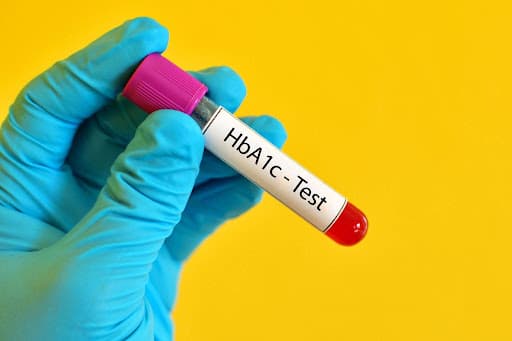
The HbA1c test is a simple blood test. A small blood sample is collected from a vein in your arm and sent to a laboratory for analysis. Results are typically reported as a percentage.
No fasting is required. This is one of the key advantages of the HbA1c test over fasting blood glucose tests. You can have blood drawn at any time of day, regardless of when you last ate.
Doctors use the HbA1c test for several purposes:
To screen for prediabetes and type 2 diabetes in adults at risk
To confirm a diagnosis of diabetes alongside other blood sugar tests
To monitor how well blood sugar is being managed in patients already diagnosed with diabetes
To assess the effectiveness of changes in medication, diet, or lifestyle over time
To set and review personalised blood sugar targets in diabetes care
HbA1c Normal Range: What the Numbers Mean
HbA1c results are expressed as a percentage. The following ranges are widely used in clinical practice and align with guidelines from the American Diabetes Association (ADA) and the International Diabetes Federation (IDF):
HbA1c Normal Range in India
The diagnostic thresholds used in India align with international standards. The Indian Council of Medical Research (ICMR) and the Research Society for the Study of Diabetes in India (RSSDI) both recognise an HbA1c of 6.5% or above as the diagnostic cut-off for diabetes, consistent with WHO and ADA criteria.
However, there is an important clinical consideration specific to the Indian context. Studies have shown that South Asians, including Indians, tend to develop type 2 diabetes at lower body weights and younger ages compared to Western populations. This means that risk assessment and screening in India often needs to begin earlier, particularly for individuals with a family history of diabetes, central obesity, or other metabolic risk factors, even when HbA1c results appear borderline.
For this reason, Indian clinical guidelines recommend that adults with risk factors consider HbA1c screening from the age of 30, rather than waiting until 40 or 45 as is standard in some other populations.
HbA1c Normal Range by Age
While the diagnostic HbA1c thresholds for normal, prediabetes, and diabetes remain the same across age groups, the target HbA1c range for people already managing diabetes may vary depending on age, overall health, medications, and the risk of low blood sugar episodes.
For older adults, especially those taking insulin or multiple diabetes medications, aiming for a very low HbA1c may increase the risk of hypoglycaemia, or low blood sugar. This can be dangerous and may lead to dizziness, confusion, falls, or other complications. That is why slightly higher HbA1c targets may be considered safer for some older patients.
Your doctor will set an individualised HbA1c target based on your age, medical history, current medicines, lifestyle, and risk of complications.
HbA1c Diabetes Range and Control Levels
For people already diagnosed with diabetes, HbA1c is one of the main tests used to understand how well blood sugar has been controlled over time. It helps doctors assess whether the current treatment plan is working or whether changes may be needed. HbA1c targets can vary from person to person, depending on age, overall health, medications, risk of low blood sugar, and other medical conditions.
Well-Controlled Diabetes: HbA1c Around or Below 7.0%
For many adults with type 2 diabetes, an HbA1c target around or below 7.0% is commonly recommended. This level suggests that blood sugar is generally being managed well. However, the ideal target may be lower or higher for some people based on their individual health needs.
Above Target: HbA1c Between 7.0% and 8.0%
A result in this range may suggest that blood sugar control needs improvement. Your doctor may review your medication, diet, physical activity, weight, sleep, stress levels, and blood sugar monitoring routine to understand what changes may help.
High HbA1c: Above 8.0%
An HbA1c above 8.0% usually means blood sugar has been staying higher than recommended over time. If this continues, it may increase the risk of diabetes-related complications, including problems affecting the eyes, kidneys, nerves, heart, and blood vessels. A treatment review is usually recommended at this stage.
Very High HbA1c: Above 10.0%
An HbA1c above 10.0% suggests prolonged and significant high blood sugar. This may require prompt medical review, medication adjustment, specialist care, or additional testing. If symptoms such as excessive thirst, frequent urination, unexplained weight loss, weakness, vomiting, or confusion are present, urgent medical care may be needed.
Factors That Can Affect HbA1c Results
HbA1c is a reliable test in most cases, but certain health conditions can affect the accuracy of the result. This is why your doctor may ask about anaemia, recent blood transfusions, kidney disease, or known haemoglobin disorders before interpreting your report.
Conditions that may falsely lower HbA1c
Haemolytic anaemia: Red blood cells are destroyed faster than usual, which may reduce the time available for glucose to attach to haemoglobin.
Recent blood transfusion: Donor red blood cells can affect the result and may not reflect your actual long-term blood sugar levels.
Treated iron deficiency anaemia: New red blood cells may be produced quickly after treatment, which can temporarily lower HbA1c.
Certain haemoglobin variants: Conditions such as sickle cell trait may affect HbA1c accuracy, depending on the testing method used.
Conditions that may falsely raise HbA1c
Iron deficiency anaemia: Untreated iron deficiency can sometimes make HbA1c appear higher than actual average blood sugar levels.
Vitamin B12 or folate deficiency: These deficiencies may affect red blood cell turnover and influence HbA1c results.
Certain haemoglobin variants: Some inherited haemoglobin changes can interfere with HbA1c measurement.
Chronic kidney disease: Kidney disease can affect red blood cells and may interfere with HbA1c interpretation in some patients.
In patients with these conditions, doctors may use alternative blood sugar tests — such as fructosamine or a combination of fasting and post-meal glucose measurements — alongside HbA1c to get an accurate picture.
HbA1c vs Other Blood Sugar Tests
HbA1c is one of several tests used to assess blood sugar levels. Each test provides different information, and doctors may recommend one or more depending on whether they are diagnosing diabetes, monitoring treatment, or checking day-to-day glucose control.
HbA1c vs Fasting Blood Glucose
A fasting blood glucose test measures your blood sugar at a single point in time after an overnight fast. It shows what your blood sugar level is at that moment. HbA1c, on the other hand, reflects average blood sugar control over the past two to three months, making it more useful for long-term monitoring.
HbA1c vs Postprandial Blood Glucose
A postprandial blood glucose test measures blood sugar about two hours after a meal. It helps show how your body responds to food. However, like fasting glucose, it only reflects blood sugar at one specific time. HbA1c gives a broader view of overall blood sugar trends.
HbA1c vs Continuous Glucose Monitoring
Continuous glucose monitoring, or CGM, tracks blood sugar levels throughout the day and night. It can show patterns, fluctuations, and episodes of high or low blood sugar that HbA1c may not reveal. HbA1c remains an important long-term marker, while CGM provides more detailed day-to-day insights, especially for people using insulin or those who need closer glucose monitoring.
When to See a Doctor About Your HbA1c Result
If your HbA1c result is outside the normal range, the next step depends on your value, symptoms, and current health status. Some results may need lifestyle changes and monitoring, while others may require medical treatment or a review of your current diabetes care plan.
If Your HbA1c Is Between 5.7% and 6.4%
This range is usually classified as prediabetes. It does not mean you have diabetes, but it does mean your blood sugar is higher than normal and needs attention. With consistent lifestyle changes, such as weight management, regular physical activity, healthier food choices, and reduced intake of refined carbohydrates, many people can lower their risk of developing type 2 diabetes. Your doctor may recommend repeat testing, regular monitoring, or a diabetes prevention programme.
If Your HbA1c Is 6.5% or Above
An HbA1c result of 6.5% or above falls within the diabetes range. In many cases, doctors confirm the diagnosis with repeat testing or additional blood sugar tests. If diabetes is confirmed, your care plan may include dietary changes, physical activity, weight management, oral medicines, and in some cases, insulin or specialist care.
If Your HbA1c Is Rising Despite Treatment
If you are already being treated for diabetes and your HbA1c continues to rise, it may be a sign that your current plan needs review. Your doctor may assess your medication, diet, activity levels, weight, sleep, stress, blood sugar monitoring routine, or any other health condition that may be affecting your glucose control.
At Ujala Cygnus Hospitals, our internal medicine and diabetes management teams provide HbA1c testing along with comprehensive evaluation to help patients understand their results in the right context and take the next step with confidence.
If your HbA1c result is outside the normal range, or if you have not had a diabetes screening in the past year, consult the internal medicine and diabetes management teams at Ujala Cygnus Hospitals. To book a consultation, call +91 9146691466, visit your nearest Ujala Cygnus hospital, or book an appointment through our website.
Explore Blogs

Loading...