How to Check Kidney Function at Home: A Comprehensive Guide
By Dr. Tarun Kumar
Reviewed by : Ujala Cygnus
July 29, 2026
Kidney problems can develop without causing obvious symptoms in the early stages, which is why people often look for ways to check their kidney health at home. Although no home method can accurately measure kidney function or replace medical tests, monitoring changes in urination, swelling, blood pressure and overall well-being may help you notice possible warning signs. This guide explains what you can safely monitor at home, which kidney function tests a doctor may recommend and when you should seek medical advice.
Essential Kidney Functions
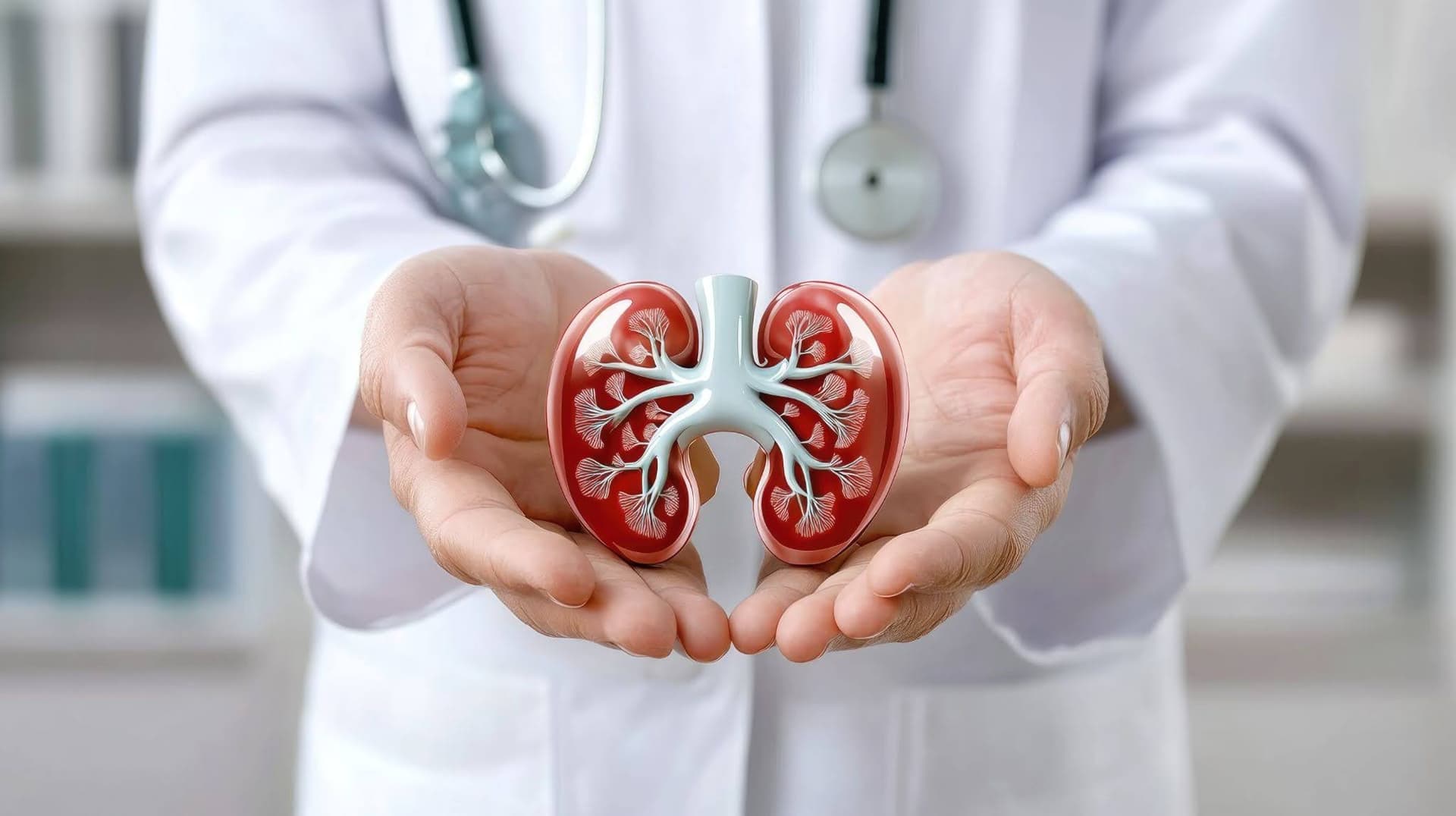
Kidneys are two bean-shaped organs that work continuously to keep the body healthy. Although small in size, they perform several vital functions that support nearly every system in the body. These include:
• Filtering waste and toxins: The kidneys remove waste products and excess fluid from the blood, which are then eliminated through urine.
• Maintaining fluid balance: They regulate the body's water levels to help prevent dehydration and fluid overload.
• Balancing electrolytes and minerals: The kidneys maintain healthy levels of sodium, potassium, calcium, phosphorus, and other minerals that are essential for proper muscle, nerve, and heart function.
• Regulating blood pressure: They help control blood pressure by balancing fluid levels and producing hormones involved in blood pressure regulation.
• Supporting red blood cell production: The kidneys produce erythropoietin, a hormone that stimulates the bone marrow to produce red blood cells.
• Promoting bone health: They activate vitamin D, enabling the body to absorb calcium and maintain strong, healthy bones.
Because the kidneys perform these essential functions around the clock, even a gradual decline in kidney function can affect your overall health. Recognising potential warning signs early and seeking timely medical evaluation can help detect kidney problems before they progress.
How to Check Kidney Function at Home
While kidney function cannot be measured accurately at home, you can monitor your kidney health through simple observations and home screening methods. Recognising these early warning signs can help you seek timely medical care if needed.
1. Watch for Changes in Your Urine
Your urine can provide important clues about your kidney health. Pay attention to:
• Changes in urine colour, such as dark, red, or tea-coloured urine
• Increased or decreased frequency of urination
• Foamy or frothy urine, which may indicate excess protein
• Pain or discomfort while urinating
Occasional changes may not be a cause for concern, but persistent abnormalities should be evaluated by a healthcare professional.
2. Check for Swelling
Healthy kidneys remove excess fluid from the body. When they are not functioning properly, fluid can build up and cause swelling (oedema), particularly in the:
• Feet
• Ankles
• Legs
• Hands
• Face, especially around the eyes
Swelling that persists or worsens without an obvious cause should not be ignored.
3. Monitor Your Blood Pressure
High blood pressure is both a major risk factor for kidney disease and a possible consequence of declining kidney function. Checking your blood pressure regularly at home, especially if you have hypertension, diabetes, or a family history of kidney disease, can help identify changes that require medical attention. If your blood pressure remains consistently elevated despite treatment, consult your doctor.
4. Pay Attention to Other Warning Signs
Kidney disease often develops gradually and may not cause noticeable symptoms in its early stages. However, persistent symptoms such as the following may indicate that your kidneys need medical attention:
• Persistent fatigue or unusual weakness
• Loss of appetite
• Nausea or vomiting
• Difficulty concentrating
• Pain in the lower back or sides (flank pain)
These symptoms can occur due to many medical conditions, but if they persist or occur alongside changes in urination or swelling, they should be evaluated promptly.
5. Use Home Urine Test Strips
Home urine test kits can detect abnormalities such as protein, blood, glucose, or changes in urine pH. These tests may help identify early warning signs of kidney problems, particularly for people at higher risk. However, they are only screening tools and cannot diagnose kidney disease or measure kidney function. Abnormal results should always be confirmed with laboratory testing and medical evaluation.
6. Know Your Risk Factors
Even if you do not have symptoms, certain factors increase your risk of developing kidney disease. These include:
• Diabetes
• High blood pressure
• Obesity
• A family history of kidney disease
• Heart disease
• Age over 60 years
• Long-term or frequent use of certain painkillers (NSAIDs)
If you have one or more of these risk factors, regular kidney function tests and routine health check-ups are recommended, even if you feel well.
Important: Home monitoring can help you recognise potential warning signs of kidney problems, but it cannot accurately assess kidney function. Only blood tests, urine tests, and imaging studies performed under the guidance of a healthcare professional can determine how well your kidneys are functioning and identify the underlying cause of any abnormalities.
Medical Tests That Help Assess Kidney Function
While home monitoring can help identify possible warning signs, medical tests are required to accurately evaluate kidney function and detect kidney disease. Based on your symptoms, medical history, and risk factors, your doctor may recommend one or more of the following tests:
• Serum Creatinine and Estimated Glomerular Filtration Rate (eGFR): Serum creatinine is a blood test that measures the level of creatinine, a waste product produced by normal muscle activity. The result is used to calculate the estimated glomerular filtration rate (eGFR), which indicates how effectively your kidneys are filtering waste from the blood. In general, a higher eGFR reflects better kidney function, while a lower eGFR may indicate reduced kidney function or chronic kidney disease.
• Urine Albumin-to-Creatinine Ratio (ACR): This urine test measures the amount of albumin, a type of protein, in the urine. Even small amounts of albumin can be an early indicator of kidney damage, particularly in people with diabetes or high blood pressure.
• Blood Urea Nitrogen (BUN): This blood test measures the amount of urea nitrogen in the bloodstream. Higher-than-normal levels may suggest reduced kidney function, although they can also be influenced by factors such as dehydration, a high-protein diet, or certain medications.
• Urinalysis: A routine urine test that checks for abnormalities such as protein, blood, glucose, white blood cells, or signs of infection. It can provide valuable clues about kidney disease and other conditions affecting the urinary tract.
• Kidney Ultrasound: This imaging test uses sound waves to create detailed images of the kidneys. It helps identify structural abnormalities such as kidney stones, cysts, blockages, tumours, or changes in kidney size that may contribute to impaired kidney function.
Together, these tests provide a comprehensive assessment of kidney function and overall kidney health. They help diagnose kidney disease, determine its severity, identify the underlying cause, and guide the most appropriate treatment and follow-up plan.
What Do Kidney Function Test Results Mean?
Your doctor interprets kidney function tests by considering your eGFR, serum creatinine, urine albumin levels, symptoms, and medical history together. A single abnormal result does not always indicate kidney disease, as factors such as dehydration, medications, muscle mass, and age can influence the results. If any value is outside the normal range, your doctor may recommend repeat testing or additional investigations to determine the cause.
Who Should Get Tested Regularly?
Regular kidney function testing can help detect kidney disease early, often before symptoms appear. You may benefit from routine kidney health screening if you:
• Have diabetes, as high blood sugar can damage the kidneys over time.
• Have high blood pressure, which is one of the leading causes of kidney disease.
• Are 50 years or older, as the risk of kidney disease increases with age.
• Have a family history of kidney disease.
• Are overweight or obese, as it increases the risk of diabetes and high blood pressure.
• Have heart disease or a history of stroke.
• Frequently use painkillers (NSAIDs) or certain medications that may affect kidney function.
• Have a history of kidney stones, recurrent urinary tract infections (UTIs), or other kidney-related conditions.
If you fall into one or more of these risk groups, your doctor may recommend periodic kidney function tests to monitor your kidney health. At Ujala Cygnus Hospitals, our experienced nephrologists and internal medicine specialists offer comprehensive kidney health evaluations, advanced diagnostic testing, and personalised care to help detect and manage kidney disease at an early stage.
Tips to Keep Your Kidneys Healthy
Taking care of your kidneys through healthy lifestyle habits can help reduce the risk of kidney disease and support long-term kidney function. Here are some simple steps you can follow:
• Stay Well Hydrated: Drinking enough water helps your kidneys remove waste products and maintain the body's fluid balance. However, your fluid intake may need to be adjusted if you have certain kidney conditions, so follow your doctor's advice.
• Eat a Balanced Diet: Choose a diet rich in fruits, vegetables, whole grains, and lean proteins while limiting processed foods that are high in salt, sugar, and unhealthy fats. A balanced diet can help protect your kidneys and overall health.
• Keep Blood Pressure and Blood Sugar Under Control: Diabetes and high blood pressure are the leading causes of chronic kidney disease. Regular monitoring and following your prescribed treatment plan can significantly lower the risk of kidney damage.
• Exercise Regularly and Maintain a Healthy Weight: Aim for at least 150 minutes of moderate physical activity each week. Regular exercise supports healthy blood pressure, blood sugar levels, and weight management.
• Avoid Smoking and Limit Alcohol: Smoking reduces blood flow to the kidneys and increases the risk of kidney disease, while excessive alcohol consumption can place additional strain on the kidneys.
• Use Medicines Responsibly: Avoid frequent or long-term use of painkillers, such as non-steroidal anti-inflammatory drugs (NSAIDs), unless advised by your doctor, as they can damage the kidneys over time.
Adopting these healthy habits, along with regular health check-ups if you are at risk, can go a long way in protecting your kidney health and detecting potential problems early.
When Should You See a Doctor?
Seeking medical advice becomes important if you notice persistent symptoms or have risk factors that increase your likelihood of developing kidney disease. You should consult a doctor if you:
• Notice persistent changes in your urine, such as blood, foaminess, or changes in colour or frequency.
• Have swelling in your feet, ankles, legs, hands, or face.
• Have high blood pressure that is difficult to control.
• Experience persistent fatigue, loss of appetite, nausea, or flank pain.
• Have diabetes, high blood pressure, a family history of kidney disease, or other risk factors for kidney disease.
• Receive abnormal results on a home urine test or a kidney function test.
Early medical evaluation can help identify the underlying cause of your symptoms, prevent further kidney damage, and ensure timely treatment if needed.
Conclusion
Checking your kidney health at home can help you recognise early warning signs, but it cannot replace a professional medical evaluation. If you notice persistent changes in your urine, swelling, high blood pressure, or have risk factors such as diabetes or a family history of kidney disease, schedule a consultation with an experienced nephrologist at your nearest Ujala Cygnus Hospital for expert evaluation and personalised care.
Our team of experienced nephrologists and internal medicine specialists provides advanced kidney function testing, accurate diagnosis, and personalised treatment for a wide range of kidney conditions. For consultation, you can book an online appointment or call at +91 91466 91466.
The primary functions of the kidneys include:
Waste and toxin removal: The kidneys filter the blood, removing waste products generated from metabolisms, such as urea and creatinine, and excreting them in the urine. They also eliminate excess medications and toxic substances that may have been ingested or absorbed.
Fluid balance: The kidneys regulate fluid balance in the body by adjusting the amount of water excreted in the urine. This process helps maintain proper hydration levels and prevents fluid accumulation in tissues, which can lead to swelling (edema).
Electrolyte balance: Electrolytes are minerals, such as sodium, potassium, and calcium, which play a vital role in maintaining proper cellular function and nerve signaling. The kidneys help maintain the balance of electrolytes in the blood by selectively reabsorbing or excreting them as needed.
Acid-base balance: The kidneys contribute to maintaining the acid-base balance (pH) of the blood by excreting excess acids or bases and reabsorbing bicarbonate. This balance is crucial for proper cellular function and enzyme activity.
Blood pressure regulation: The kidneys regulate blood pressure through the renin-angiotensin-aldosterone system (RAAS). They produce the enzyme renin, which triggers a cascade of hormonal responses that ultimately lead to the constriction of blood vessels and the retention of sodium and water, thereby increasing blood pressure.
Production of hormones: The kidneys produce hormones that have essential functions in the body. For example, they produce erythropoietin, which stimulates the production of red blood cells in the bone marrow. They also produce calcitriol, the active form of vitamin D, which promotes calcium absorption in the intestines and helps maintain proper bone health.
Regulation of blood glucose: The kidneys contribute to blood glucose regulation by filtering and reabsorbing glucose as needed. They can also produce glucose from amino acids through a process called gluconeogenesis when blood glucose levels are low.
In summary, kidney function encompasses a wide range of processes that are vital for maintaining overall health. These processes include waste and toxin removal, fluid balance, electrolyte balance, acid-base balance, blood pressure regulation, hormone production, and blood glucose regulation. Proper kidney function is crucial for maintaining homeostasis in the body and ensuring the optimal functioning of all bodily systems.
The importance of keeping our kidneys healthy cannot be overstated. In this article, we will explore how to check kidney function at home, how to check your kidney health at home, how to check kidney health at home, and kidney function tests at home for an Indian audience.
Why is it important to check kidney function?
Kidney diseases can lead to a host of complications, including high blood pressure, anemia, weak bones, and nerve damage. If left untreated, kidney diseases can cause kidney failure, necessitating dialysis or kidney transplant. Early detection and appropriate management can slow down or prevent the progression of kidney diseases. As such, it is essential to regularly check your kidney function, especially if you have a family history of kidney problems or are suffering from chronic illnesses like diabetes or hypertension.
How to check kidney function at home?
There are several ways to check kidney function at home. These methods can help you monitor your kidney health and detect any abnormalities early on. However, it is essential to consult a healthcare professional for a comprehensive evaluation and proper diagnosis.
A simple way to check kidney health at home is by conducting urine tests. These tests can detect the presence of protein, blood, or glucose in the urine – all of which can be indicators of kidney problems. You can purchase urine test strips from your local pharmacy or online. To perform the test, follow the instructions provided with the test strips. The color change on the strip will indicate if there are any abnormalities in your urine. If you notice any unusual results, consult your doctor for further evaluation.
High blood pressure is both a cause and a symptom of kidney disease. Regularly monitoring your blood pressure can help you identify any issues related to your kidney health. You can purchase a blood pressure monitor from a pharmacy or online and check your blood pressure at home. Make sure to follow the guidelines for accurate readings, such as sitting in a relaxed position with your arm at heart level. If you consistently have high blood pressure readings, consult your doctor for further assessment and management.
Being aware of the common symptoms of kidney disease can help you detect any problems early on. Some of the signs and symptoms include:
If you experience any of these symptoms, consult a healthcare professional for further evaluation and management.
Another method to check kidney function at home is by using a kidney function test kit. These kits are available at pharmacies or online and can help you monitor your kidney health. A kidney function test at home typically measures the levels of creatinine in your blood. Creatinine is a waste product generated by muscle metabolism, and its levels can indicate how well your kidneys are filtering waste from your blood. High levels of creatinine may be a sign of kidney problems. Follow the instructions provided with the test kit, and consult your doctor if you notice any unusual results.
Adopting a healthy lifestyle can help you keep your kidneys in good shape. Some of the things you can do include:
Conclusion
Regularly monitoring your kidney function is crucial for maintaining your overall health. By learning how to check kidney function at home, how to check your kidney health at home, how to check kidney health at home, and performing a kidney function test at home, you can stay proactive in keeping your kidneys in good shape. Remember that while these methods can help you monitor your kidney health, it is essential to consult a healthcare professional for a comprehensive evaluation, proper diagnosis, and tailored treatment plan.
Always reach out to your doctor if you notice any unusual symptoms or changes in your urine or blood pressure. Ujala Cygnus Hospital has the best kidney doctors who can help you with your concerns and queries. Adopting a healthy lifestyle and managing chronic conditions can go a long way in protecting your kidneys and promoting overall well-being. So, start monitoring your kidney health today and take steps towards a healthier, happier life.

Loading...