Pregnancy Diet Plan for the Indian Plate: Week-wise Healthy Meal Ideas
By Dr Varnika Rajvardhan
Reviewed by : Ujala Cygnus
August 20, 2026
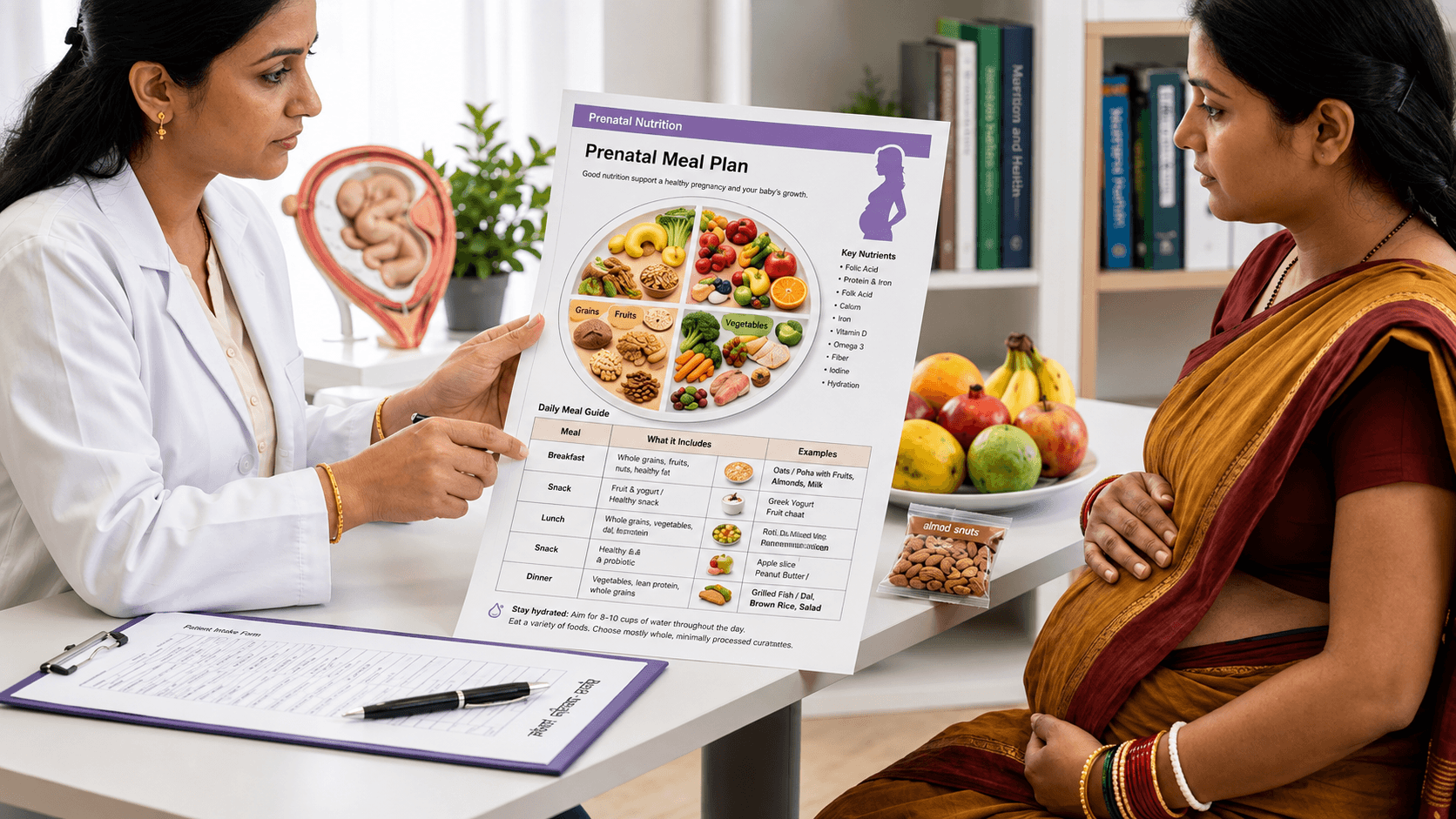
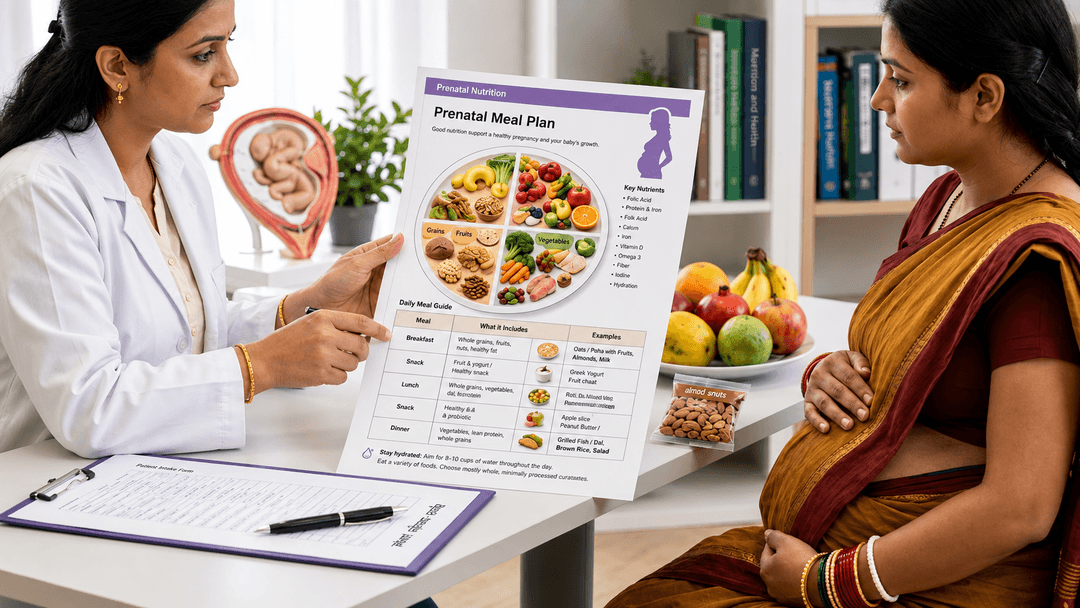
The nutritional needs during pregnancy are constantly changing, as the body adapts and supports the baby's growth while also meeting the mother's requirements. A pregnancy diet, therefore, should provide adequate quantities of all the nutrients required by the mother and baby, including protein, folate, iron, calcium, iodine, vitamin D and omega-3 fatty acids, along with sufficient fluids. That said, there is no single meal plan that works for every pregnancy. Appetite, food preferences, activity levels and medical conditions can all affect what an individual needs. If a pregnancy is considered high-risk or is associated with a particular medical condition, consulting a gynaecologist or obstetrician for personalised dietary guidance is important. In this article, we’ll provide a general pregnancy diet chart with practical meal ideas to help meet nutritional needs without making the diet feel overly rigid or restrictive.
First Trimester: Weeks 1-13
The first trimester is a period of significant early development, making a nutrient-rich diet particularly important. At the same time, nausea, vomiting, food aversions or reduced appetite can make regular meals difficult. Rather than forcing large meals, smaller portions and simple, well-tolerated foods can help maintain nutritional intake.
Weeks 1-4: Building a Nutrient-Rich Foundation
During these early weeks, folate, iron and protein are particularly important, while whole grains, fruits, vegetables and adequate fluids help support an overall balanced diet.
Pregnancy meal options can include dal with roti, leafy green vegetables, citrus fruits, curd, nuts and seeds. Including a mix of different foods throughout the day can help provide a wider range of nutrients rather than relying on one particular food.
Weeks 5-8: Managing Early Pregnancy Changes
Nausea and changes in appetite commonly become more noticeable during this period. Smaller, frequent meals may be easier to tolerate than large meals. Simple foods such as vegetable poha, idli with sambar, curd rice, fruit with nuts and dal khichdi can provide a combination of carbohydrates, protein and other nutrients without making meals overly heavy.
Adequate fluid intake is also important, particularly when vomiting is present.
Weeks 9-13: Supporting Early Fetal Development
As the first trimester progresses, maintaining adequate protein, iron, calcium, folate and healthy fats remains important. Meals can include paneer, pulses, ragi, vegetables, whole grains and eggs, where suitable to the individual's dietary preferences.
The emphasis should remain on variety and nutritional adequacy rather than increasing food quantity substantially.
Second Trimester: Weeks 14-27
The second trimester often brings some relief from early pregnancy symptoms, although appetite and food tolerance can still vary. As pregnancy progresses, the diet should continue to provide a broad range of nutrients rather than focusing on increasing portions alone. Protein, iron, calcium, fibre and healthy fats remain important as the baby's growth continues and maternal nutritional demands increase.
Weeks 14-17: Supporting Growth and Maternal Nutrition
With appetite often improving during this stage, meals can include a wider variety of nutrient-rich foods. Vegetable paratha with curd, dal with rice, chickpea salad, fruit and yoghurt can provide useful combinations of protein, carbohydrates, calcium and fibre.
Including different food groups across meals can make it easier to meet nutritional requirements without relying on supplements or individual foods alone.
Weeks 18-21: Supporting Bone and Brain Development
Calcium, vitamin D, protein, iron and omega-3 fatty acids continue to have important roles during pregnancy. Indian meal options can include ragi dosa, milk or suitable fortified alternatives, paneer, lentils and walnuts. Fish can also be included where appropriate, with attention to choosing varieties that are lower in mercury and properly cooked.
A varied diet helps provide these nutrients while keeping meals practical and familiar.
Weeks 22-24: Balanced Meals for Continued Growth
At this stage, balanced meals remain more important than following a restrictive or highly specialised diet. A typical day can combine whole grains or millets, pulses, vegetables, fruit, dairy or suitable alternatives and healthy sources of fat.
For example, breakfast could include vegetable upma with curd, lunch could combine roti, dal and vegetables, and snacks could include fruit with nuts. Dinner can follow a similar balance of carbohydrate, protein and vegetables.
Weeks 25-27: Maintaining Iron, Calcium and Protein Intake
As pregnancy advances, continued attention to iron, calcium and protein is important. Pairing plant-based iron sources such as pulses and leafy vegetables with vitamin C-rich foods can support iron absorption. Calcium can be obtained from foods such as dairy products, ragi, sesame seeds and suitable fortified foods.
Regular meals, adequate fluids and a varied diet can help maintain nutritional intake as the third trimester approaches.
Third Trimester: Weeks 28-40
The third trimester brings the pregnancy closer to delivery, and nutritional needs continue alongside the baby's ongoing growth. Larger meals may become uncomfortable as the pregnancy progresses, particularly when there is heartburn, fullness or reduced appetite. Rather than focusing on eating more, meals can remain balanced, nutrient-dense and comfortable to tolerate.
Weeks 28-31: Meeting Increased Nutritional Needs
Protein, iron, calcium, fibre and healthy fats continue to be important. Meals can include dal, roti, vegetables, curd, paneer, eggs, nuts, seeds and whole grains, depending on dietary preferences. Including protein across meals can also make the diet more nutritionally balanced.
Weeks 32-34: Supporting Maternal and Fetal Health
At this stage, nutrient-dense meals remain important as the pregnancy progresses. Iron-rich foods, calcium sources, protein and omega-3-rich foods can be included regularly. Fruits, vegetables, whole grains and pulses can also provide fibre, which may help support regular bowel movements.
A simple combination such as dal, brown rice, cooked vegetables and curd can provide several important nutrients in one meal.
Weeks 35-37: Maintaining Nutrition Towards the Final Weeks
There is no need for a special restrictive diet during these weeks unless advised for a specific medical reason. Balanced meals containing protein, iron, vegetables, whole grains and healthy fats can help maintain nutritional intake. Adequate fluids should also continue.
If heartburn or fullness makes larger meals uncomfortable, smaller portions spread throughout the day may be easier to manage.
Weeks 38-40: Nutrition Towards Delivery
During the final weeks, maintaining regular nutrition and hydration remains important. Meals can continue to include protein and iron-rich foods, whole grains, vegetables, fruit and suitable calcium sources. Smaller meals may be more comfortable when there is reduced appetite or increased abdominal pressure.
Dietary requirements can vary considerably at this stage, particularly if a pregnancy has complications or delivery is approaching. Any specific dietary restrictions or changes should therefore follow the advice of the treating doctor.
Week-wise Pregnancy Diet Chart: At a Glance
The following table provides simple Indian meal ideas across the 40 weeks of pregnancy. These suggestions can be adapted to suit individual food preferences and any dietary guidance provided by the treating doctor.
Note: These meal ideas are intended as examples of balanced Indian food choices rather than a prescribed pregnancy diet. Women with high-risk pregnancies or conditions such as gestational diabetes, anaemia, food allergies or other pregnancy-related concerns may require a personalised meal plan based on their individual needs.
Foods and Drinks to Avoid During Pregnancy
Most foods can be included during pregnancy when they are fresh, properly prepared and consumed in appropriate amounts. However, certain foods and drinks can increase the risk of foodborne infection, exposure to harmful substances or other pregnancy-related concerns. It is advisable to avoid or limit:
• Alcohol: Alcohol can cross the placenta and affect fetal development, so avoiding it during pregnancy is recommended.
• Raw or undercooked foods: Raw or undercooked eggs, meat, poultry and seafood may carry harmful bacteria or parasites.
• Unpasteurised milk and dairy products: These may carry bacteria that can cause foodborne infections.
• High-mercury fish: Certain fish can contain high levels of mercury, which can affect the developing nervous system. Lower-mercury fish can be included in appropriate amounts.
• Unwashed fruits and vegetables: Thorough washing helps reduce exposure to harmful microorganisms and contaminants.
• Foods with a higher risk of contamination: Food that is improperly stored, inadequately cooked or kept at unsafe temperatures should be avoided.
• Excessive caffeine: High caffeine intake during pregnancy should be avoided. Tea, coffee, energy drinks and some other beverages can contribute to total daily caffeine intake.
Food safety is particularly important during pregnancy. When there is uncertainty about a particular food, supplement or herbal preparation, it is better to seek medical advice rather than assume that it is safe.
How Much Should a Pregnant Woman Eat?
Pregnancy does not mean eating twice as much. Nutritional requirements increase as pregnancy progresses, but the focus should remain on nutrient quality, balanced meals and appropriate portions rather than simply increasing the amount of food.
• First trimester: Energy requirements may not increase substantially for many individuals, although nutrient-rich foods remain important.
• Second trimester: Energy needs generally increase as the pregnancy progresses, alongside continued requirements for protein, iron, calcium and other nutrients.
• Third trimester: Nutritional needs remain elevated as the baby continues to grow, but larger meals are not always comfortable. Smaller, balanced meals may be easier to tolerate.
The appropriate amount of food varies according to pre-pregnancy weight, activity level, age, pregnancy type, appetite and overall health. Conditions such as gestational diabetes or excessive weight gain may also require dietary adjustments.
Rather than following a fixed calorie target, consulting a gynaecologist or dietitian can help determine appropriate portions when individual nutritional needs require closer attention.
When Does a Pregnancy Diet Need to Be Personalised?
A general pregnancy diet can provide a useful starting point, but nutritional requirements are not the same for every individual. Dietary recommendations may need to be adjusted when pregnancy or an existing health condition affects nutritional needs.
Personalised dietary guidance may be particularly useful in cases of:
• Gestational diabetes: Meal timing, carbohydrate portions and food choices may need to be planned to help manage blood glucose levels.
• Anaemia: The diet may need greater emphasis on iron-rich foods and appropriate sources of vitamin C, alongside medical treatment when required.
• Underweight or excessive weight gain: Energy and nutrient intake may need to be adjusted according to the individual's health and pregnancy progress.
• Thyroid conditions: Nutritional requirements and supplement use may need to be considered alongside prescribed treatment.
• Food allergies or intolerances: Suitable alternatives may be needed to maintain adequate nutrient intake.
• Vegetarian or vegan diets: Careful planning can help ensure adequate protein, iron, vitamin B12, calcium, iodine and other nutrients.
• Multiple pregnancy: Nutritional requirements may differ from those of a singleton pregnancy.
• Other pregnancy-related conditions: Certain medical or obstetric conditions may require specific dietary recommendations.Anaemia: The diet may need greater emphasis on iron-rich foods and appropriate
A general meal plan should therefore be treated as a guide rather than a substitute for individual medical advice. At Ujala Cygnus, our gynaecologist can help tailor dietary recommendations according to the stage of pregnancy, nutritional status and medical requirements.
Choosing Pregnancy and Maternity Care at Ujala Cygnus
Good nutrition is an important part of pregnancy, but dietary needs also need to be considered alongside the mother's health and the progress of the pregnancy. At Ujala Cygnus Hospitals, our gynaecology and obstetrics teams provide antenatal care, monitor maternal and fetal health and offer high-risk pregnancy care when closer monitoring is required.
Our doctors can assess individual nutritional and medical requirements during pregnancy consultations and provide guidance when conditions such as anaemia, gestational diabetes or other pregnancy-related concerns require additional attention. The care plan can be tailored according to the individual's health, pregnancy stage and specific medical needs.
For guidance on pregnancy nutrition, routine antenatal care or any concerns during pregnancy, you can consult our gynaecology and obstetrics team. To schedule a consultation, book an appointment online or call 9146691466.
Explore Blogs

Loading...