Dengue vs Malaria: Symptoms, Causes, and When to See a Doctor
By Dr Rakesh Keshari Swain
Reviewed by : Ujala Cygnus
September 9, 2026
Monsoon brings more than just rain. With water collecting in empty containers, drains and other potential breeding sites, mosquito populations can increase, increasing the risk of mosquito-borne illnesses such as dengue and malaria. In India, the burden of these diseases remains significant, with the National Center for Vector Borne Diseases Control (NCVBDC) reporting 121,824 dengue cases and 131 deaths in 2025, and 841,665 malaria cases and 105 deaths in 2024. This makes it important to recognise these infections early and seek timely medical care. To help, in this article, we’ll discuss the symptoms and causes of dengue and malaria, along with situations that require a doctor's consultation.
Understanding Dengue and Malaria
Dengue and malaria are infections transmitted through the bite of infected mosquitoes, but they are caused by different types of pathogens. Dengue is a viral infection caused by the dengue virus, while malaria is a parasitic infection caused by Plasmodium parasites. Both can cause fever and other flu-like symptoms, which is why they are often confused.
Although their symptoms may overlap, dengue and malaria are not the same illness and require different approaches to diagnosis and treatment. A doctor may consider factors such as the pattern of symptoms, mosquito exposure, travel history and local disease prevalence before recommending appropriate tests.
What Causes Dengue vs Malaria?
Although both infections are spread through mosquito bites, the organisms responsible for them and the mosquitoes involved are different.
Dengue
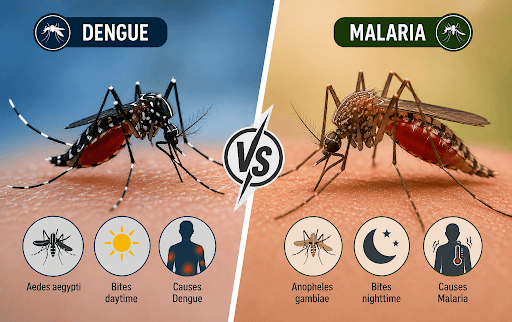
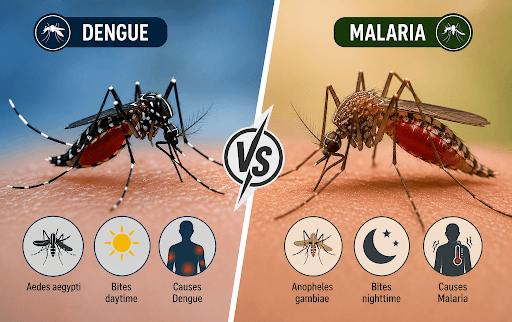
Dengue is caused by the dengue virus and is mainly transmitted through the bite of an infected Aedes mosquito, particularly Aedes aegypti. These mosquitoes commonly bite during the daytime, although they can also bite at other times.
Malaria
Malaria is caused by parasites of the Plasmodium group and is transmitted through the bite of an infected female Anopheles mosquito. These mosquitoes typically bite from dusk to dawn. Different Plasmodium species can cause malaria, and the species involved can influence the pattern and severity of the illness.
Symptoms of Dengue and Malaria
Dengue and malaria can cause similar symptoms, particularly during the early stages of illness. However, certain symptoms may be more commonly associated with one infection than the other. Understanding these patterns can provide useful context, but symptoms alone cannot confirm whether a patient has dengue or malaria.
Dengue Symptoms
Dengue commonly causes a high fever along with severe headache, pain behind the eyes, and muscle and joint pain. Other symptoms may include:
• Nausea or vomiting
• Skin rash
• Weakness and fatigue
• Loss of appetite
• Easy bruising or bleeding, particularly in more serious cases
A low platelet count can also occur with dengue, but this is a blood test finding rather than a symptom that can be identified without testing.
Malaria Symptoms
Malaria commonly causes fever, chills and sweating, which may occur in episodes depending on the Plasmodium species involved. Other symptoms can include:
• Headache
• Muscle and body aches
• Weakness and fatigue
• Nausea or vomiting
• Abdominal discomfort
Severe malaria can affect the brain and other organs, potentially causing confusion, seizures, breathing difficulties or loss of consciousness.
Since the symptoms of dengue and malaria can overlap and vary between patients, they should not be used to self-diagnose either infection. A doctor can evaluate the symptoms and recommend appropriate blood tests to confirm the diagnosis.
Diagnosis of Dengue and Malaria
Diagnosis of dengue and malaria usually involves assessing the patient's symptoms, medical and travel history, mosquito exposure and the local prevalence of these infections, followed by appropriate laboratory testing.
Dengue Tests
Depending on the stage of illness, the doctor may recommend tests such as:
• NS1 antigen test: Can help detect dengue infection during the early phase of illness.
• Dengue antibody tests: IgM and IgG antibodies may be used to identify an immune response to dengue, depending on when the test is performed.
• Molecular testing: Tests such as RT-PCR may be used in appropriate cases to detect dengue viral genetic material.
A complete blood count (CBC) may also be performed to monitor platelet levels and other blood parameters, particularly when dengue is suspected or the patient requires monitoring.
Malaria Tests
Malaria is commonly diagnosed using:
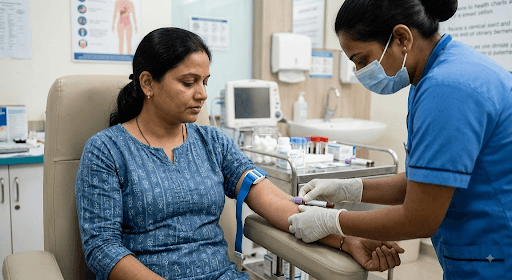
• Peripheral blood smear: Examines a blood sample under a microscope to identify Plasmodium parasites and, where possible, determine the species.
• Rapid diagnostic tests: Detect malaria-related antigens in a blood sample and can provide results more quickly in appropriate settings.
Additional blood tests may be recommended to assess the patient's overall condition or identify complications.
The choice and timing of tests depend on the patient's symptoms, stage of illness and clinical assessment. Timely testing helps doctors determine the appropriate treatment rather than relying on symptoms alone. At Ujala Cygnus Hospitals, internal and general medicine doctors use the findings from the clinical evaluation and appropriate diagnostic tests to distinguish between dengue, malaria and other possible causes of fever and plan suitable care.
When Should You See a Doctor?
Consult a doctor if you have a persistent, worsening or unexplained fever, particularly after travelling to or living in an area where dengue or malaria is prevalent. Medical evaluation is also advisable if symptoms such as significant weakness, vomiting or difficulty maintaining fluid intake develop or do not improve with usual care.
Seek urgent medical attention if you experience:
• Severe or persistent abdominal pain
• Repeated vomiting
• Unusual bleeding, including bleeding from the nose or gums or blood in vomit or stools
• Difficulty breathing
• Confusion, unusual drowsiness or altered consciousness
• Seizures
• Severe weakness, dizziness or fainting
• Inability to drink or retain fluids
These symptoms may indicate a serious infection or complications and require prompt medical assessment. A doctor can evaluate the symptoms and recommend appropriate tests to determine whether dengue, malaria or another infection is responsible.
Ways to Prevent Dengue and Malaria
Since both dengue and malaria are transmitted through infected mosquito bites, reducing mosquito exposure is an important part of prevention. Practical measures include:
• Use mosquito repellent: Apply a suitable insect repellent to exposed skin as directed on the product label.
• Wear protective clothing: Choose long-sleeved clothing and full-length trousers when possible, particularly in areas with high mosquito activity.
• Use mosquito nets and screens: Nets can provide additional protection while sleeping, while screens on doors and windows can help reduce mosquitoes indoors.
• Remove stagnant water: Empty or clean containers, coolers, plant pots and other places where water can collect around the home.
• Keep water containers covered: Store water in properly covered containers to reduce potential mosquito breeding sites.
• Follow local mosquito-control measures: Community efforts to reduce mosquito breeding and control mosquito populations can help lower transmission.
Consistent mosquito-control measures can reduce the risk of both infections, particularly in areas where dengue or malaria is prevalent.
How Ujala Cygnus Hospitals Can Help with Dengue and Malaria
At Ujala Cygnus Hospitals, patients with persistent or unexplained fever can consult doctors in the Internal and General Medicine Department for a thorough evaluation. The doctors assess symptoms, medical history and other relevant factors to determine whether further investigations are needed for suspected dengue, malaria or other infections. Patients can also access diagnostic investigations, medical monitoring and hospital-based care when required. If complications develop, specialist support is available based on the patient's clinical needs.
If you or a family member has persistent fever or symptoms that may indicate dengue or malaria, timely medical evaluation can help identify the cause and guide appropriate care. For consultation, call 9146691466 or book an appointment online.
Explore Blogs

Loading...