Low Platelets (Thrombocytopenia): Causes, Symptoms, Treatment & Home Remedies
By Dr Rakesh Keshari Swain
Reviewed by : Ujala Cygnus
September 8, 2026
Platelets are tiny, colorless cell fragments in the blood, which play an important role in the human body - forming blood clots when bleeding occurs after an injury and limiting further blood loss. Thrombocytopenia is a condition wherein the platelet count falls below the normal range. Depending on how low the count is and its underlying cause, it may increase the risk of bruising, prolonged bleeding or excessive blood loss in case of injuries. In this article, we’ll explain what a low platelet count means, its possible causes, symptoms, and the treatment options available. We’ll also discuss home care measures that may help support overall health and elevate low platelet levels.
What Does a Low Platelet Count Mean?
A low platelet count, medically known as thrombocytopenia, means that the number of platelets in the blood is below the normal range. For most adults, a platelet count of 150,000 to 450,000/µL is generally considered within the normal range, whereas any figure below 150,000/µL is usually considered low.
The degree of thrombocytopenia can be broadly presented as follows:
Note: These ranges provide a general reference. A low platelet count does not necessarily cause symptoms or mean that serious bleeding will occur. Its significance depends on how low the count is, how quickly it has fallen, and the underlying cause.
Causes of Low Platelets
A low platelet count can develop for different reasons. In some cases, the body does not produce enough platelets, while in others, platelets are destroyed or used up faster than they are replaced. An enlarged spleen can also reduce the number of platelets circulating in the blood. The main causes include:
Reduced Platelet Production
Platelets are produced in the bone marrow, so conditions that affect its normal function can reduce platelet production. These may include certain infections, nutritional deficiencies, bone marrow disorders and some medicines or cancer treatments. When production falls, the number of platelets entering the bloodstream may gradually decrease.
Increased Platelet Destruction
Sometimes, platelets are destroyed faster than the body can replace them. This can happen when the immune system mistakenly attacks platelets, as in immune thrombocytopenia (ITP). Certain autoimmune conditions, infections and medicines can also trigger increased platelet destruction.
Increased Platelet Consumption or Loss
In some situations, platelets are used up faster than they can be replenished. This may occur during severe infections, certain serious medical conditions or significant bleeding. As more platelets are consumed or lost, their level in the bloodstream can fall.
Platelets Trapped in the Spleen
The spleen normally stores some platelets, but an enlarged spleen can retain more than usual. This reduces the number of platelets circulating in the bloodstream and may contribute to a low platelet count.
Symptoms of Low Platelets
Thrombocytopenia may not cause noticeable symptoms, particularly when the platelet count is only slightly below the normal range. When symptoms occur, they are usually related to increased bleeding and may include:
• Easy or excessive bruising, including bruises that appear without a clear injury
• Petechiae, which are tiny red, purple or brownish-red spots that can appear on the skin
• Frequent or prolonged nosebleeds
• Bleeding from the gums, particularly after brushing or flossing
• Heavy or prolonged menstrual bleeding
• Blood in the urine or stools
• Prolonged bleeding from minor cuts or injuries
• Bleeding that is difficult to stop
More severe thrombocytopenia can increase the risk of serious internal bleeding, although this is uncommon. Severe headache, confusion, changes in vision, vomiting blood, black or bloody stools, or other signs of significant bleeding require urgent medical attention.
Diagnosis of Thrombocytopenia
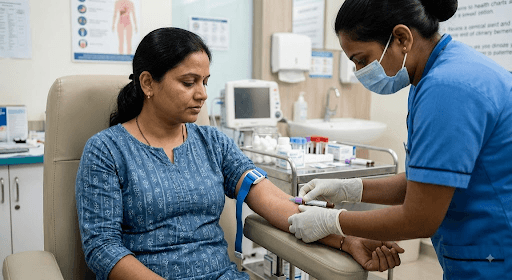
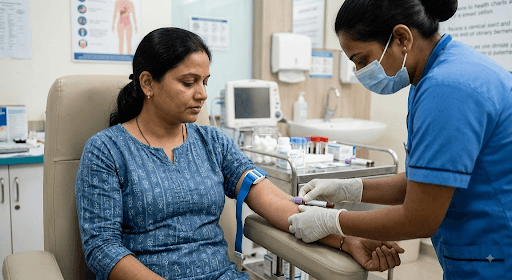
A low platelet count is usually identified through a complete blood count (CBC), which measures the number of platelets along with other blood cells. If the result is lower than expected, a doctor may repeat the test to confirm the finding and review the results alongside the patient's symptoms and medical history.
Depending on the suspected cause, further evaluation may include:
• Peripheral blood smear to examine the size, shape and appearance of blood cells
• Medical history and medication review to identify medicines or health conditions that may be contributing to the low count
• Blood tests for infections, nutritional deficiencies or other underlying conditions, when appropriate
• Additional investigations based on the patient's symptoms and initial test results
The aim of diagnosis is not only to confirm that the platelet count is low but also to determine why it has fallen, as this guides further management.
Treatment for Low Platelets
Treatment for thrombocytopenia depends on the underlying cause, platelet count, symptoms and risk of bleeding. Some people with a mildly low count may only need regular monitoring, while others may require specific treatment.
Treatment may include:
• Treating the underlying condition: Managing an infection, nutritional deficiency or other condition contributing to the low platelet count may help the platelet count return to the expected range.
Since treatment varies considerably between causes, low platelets should not be treated with home remedies or supplements without medical advice. At Ujala Cygnus, our General and Internal Medicine team works closely with patients to understand their condition and develop a personalised treatment plan based on their individual needs.
Home Remedies and Self-Care for Low Platelets
Home care can support overall health while the underlying cause of low platelets is being evaluated or treated. However, home remedies cannot replace medical treatment when thrombocytopenia is caused by an underlying condition.
A few precautions may help reduce the risk of bleeding:
Follow the prescribed treatment: Take medicines and supplements only as advised by your doctor.
• Choose a balanced diet: Include adequate protein, iron, folate, vitamin B12 and other essential nutrients through a varied diet, particularly if a nutritional deficiency is contributing to the low platelet count.
• Monitor your platelet count: Attend regular blood tests and follow-up appointments as advised by your doctor to track your platelet levels and treatment response.
• Take care with medicines: Do not take medicines such as aspirin or other drugs that can increase bleeding risk unless they have been prescribed or approved by your doctor.
• Avoid alcohol when advised: Alcohol can affect platelet production and may increase bleeding concerns in some people.
The appropriate precautions depend on the platelet count and its underlying cause, so discuss any significant lifestyle or dietary changes with the treating doctor.
Low Platelets Care at Ujala Cygnus
At Ujala Cygnus, our General and Internal Medicine team provides evaluation and care for patients with low platelet counts. Our doctors review your symptoms, medical history and test results to understand the possible cause of thrombocytopenia and recommend appropriate investigations and treatment based on your condition.
If needed, our doctors can also guide you towards further specialist evaluation based on the underlying cause. To book a consultation with our specialists, visit a Ujala Cygnus hospital in your local area, call 9146691466 or at a convenient time.
Explore Blogs

Loading...