Acromegaly
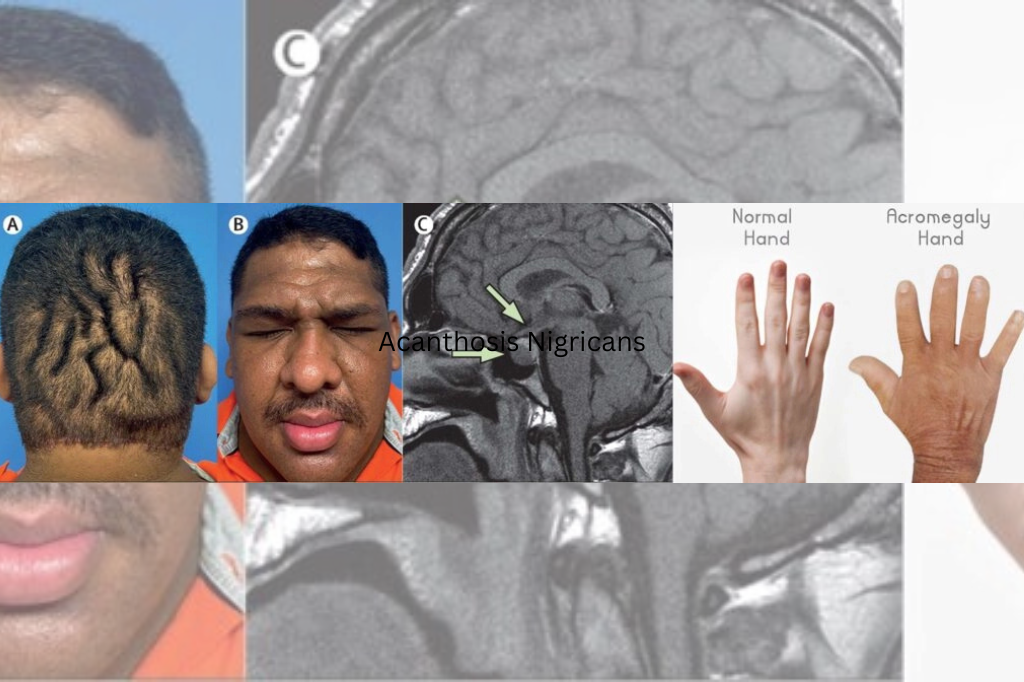
Acromegaly is an endocrine disorder that develops when the pituitary gland is hyperactive and produces excessive growth hormone. This results in increased bone size and height; a condition termed gigantism. However, if it occurs in adulthood, there is no change in height. Instead, facial features, hands and feet appear bigger. This condition is known as acromegaly.
This condition is not so common and progresses slowly. In addition, untreated, high growth hormone levels can affect other parts of the body and the bones leading to life-threatening complications.
Causes
Acromegaly has been associated with pituitary adenoma, a pituitary gland tumour. This tumour induces excessive production of growth hormone. This benign tumour grows slowly, and its effects may not be visible for many years.
Symptoms
The symptoms of acromegaly are:
- Enlarged hands and feet
- Fatigue and joint or muscle weakness
- Pain and limited joint mobility
- Enlarged features of the face, such as the lips, nose, facial bones and tongue
- Coarse, oily, thickened skin
- Excessive sweating and body odour
- Vision problems
- Small outgrowths of skin tissue (skin tags)
- Erectile dysfunction in men
- Severe snoring caused by obstruction of the upper airway
- Husky voice caused by enlarged vocal cords and sinuses
- Headaches, which may be persistent or severe
- Menstrual cycle irregularities in women
- Loss of interest in sex
Diagnosis
Doctors evaluate the medical history and conduct a physical exam. After this, to confirm the diagnosis and rule out other conditions, they may recommend the following tests:
- IGF-1 measurement
- Growth hormone suppression test
- Imaging modalities such as magnetic resonance imaging help locate and assess the size of a tumour.
Other tests to monitor the condition are:
- An echocardiogram to assess heart problems.
- Sleep study tests to assess sleep apnea.
- A colonoscopy to evaluate the colon.
Treatment
Treatment for acromegaly depends upon the patient’s age and overall health. The treatment options include conventional, surgical and radiation therapy.
Surgery
Surgery is done to remove the tumour that causes excess growth hormone. This modality is quick and effective in lowering growth hormone levels, which can help improve symptoms.
Medication
If surgery does not help manage the condition, medicines may be prescribed to shrink large tumours followed by surgery. Some medicines include:
- Somatostatin analogues
- GH receptor antagonists
- Dopamine agonists
Radiation
Radiation destroys large tumours or sections of tumours that remain after surgery. Alternatively, they help when medicines alone are not effective. For example, radiation helps dramatically decrease levels of growth hormone when administered in multiple 4-6 week sessions. However, a major drawback of radiation therapy is impaired fertility and, rarely, brain injury, vision loss, or secondary tumours.
Prevention
Unfortunately, acromegaly cannot be prevented. This is because the cause of the development of pituitary tumours that cause acromegaly is unclear. However, certain genetic factors may also be involved in causing acromegaly.




+91-91466 91466
If you want to get a free consultation without any obligations, fill in the form below and we'll get in touch with you.
Request a Call Back
Our healthcare expert will contact you shortly to understand your requirements and assist you with the right care.
100% Confidential
Your information is safe and secure with us.
Quick Response
Our team will connect with you at the earliest.
Expert Guidance
Speak with our experienced healthcare professionals.
Request a Call Back
You Will Get a call within 1 hour
?? Your information is
safe & confidential.