Cardiology Care at Our Hospitals
Heart disease is one of the leading causes of death around the world, with India being no exception. This makes early diagnosis, timely treatment, and continuous cardiac care more important than ever. As one of North India’s largest NABH-accredited hospital chains, Ujala Cygnus Hospitals is committed to delivering high-quality yet affordable cardiac care in the country’s tier 1 and tier 2 cities in Haryana, Uttar Pradesh, Delhi, Uttarakhand, Punjab, Jammu and Kashmir. With 25 multi-super specialty hospitals, 2,800+ beds, 300+ doctors, and 1,400+ RMOs and paramedical professionals, we bring advanced cardiology services closer to communities where access to specialised care used to be limited. Be it periodic checkups or advanced cardiac treatments, our doctors combine modern technology with a patient-first approach to ensure accurate diagnosis and effective treatment, ensuring the best possible outcome for every patient.
What is Cardiology?
Cardiology is a branch of medicine focused on the diagnosis, treatment, and prevention of heart and blood vessel diseases, collectively known as cardiovascular diseases (CVDs). A cardiologist manages and treats conditions ranging from high blood pressure and irregular heart rhythms to complex structural defects (such as, congenital heart defects, valve abnormalities, and holes in the heart (ASD/VSD)) and coronary artery disease (Blockages in the heart’s blood vessels).
Types of Cardiology
Cardiac care is not one-size-fits-all. Ujala Cygnus Hospitals bring together specialists across all major cardiology subspecialties, to ensure your care is always in the right hands:
| Subspecialty | What it Addresses |
| Preventive Cardiology | Risk assessment, lifestyle guidance, and medication management to prevent heart disease before it develops |
| Interventional Cardiology | Catheter-based procedures to open blocked arteries, repair valves, and restore circulation, without open surgery |
| Electrophysiology | Diagnosis and treatment of irregular heart rhythms (arrhythmias), including pacemaker implantation and catheter ablation |
| Non-Invasive Cardiology | Diagnostic tests such as ECG, echocardiography, Holter monitoring, and stress testing do not require any incisions. |
| Cardiothoracic and Vascular Surgery (CTVS) | Open and minimally invasive surgical procedures for conditions requiring bypass, valve replacement, or vascular repair |
| Paediatric Cardiology | Evaluation and treatment of congenital and acquired heart conditions in infants and children |
Symptoms You Should Never Ignore
More often than not, heart diseases do not show any symptoms or may send signals that can be easily mistaken for common health problems such as fatigue, acidity, or stress. Don’t ignore any of the signs. Common symptoms of heart disease to watch for include:
- Chest Pain or Discomfort: Pressure, tightness, heaviness, or pain in the chest that may occur during activity or even at rest.
- Shortness of Breath: Difficulty in breathing during routine activities or while lying down, sometimes without any chest pain.
- Unusual Fatigue: Persistent tiredness or reduced energy levels, especially when it interferes with daily tasks.
- Pain Radiating to Arm, Neck, or Jaw: Discomfort that spreads from the chest to the left arm, shoulders, neck, jaw, or back.
- Palpitations or Irregular Heartbeat: Feeling of a racing, pounding, or skipped heartbeat that occurs frequently or suddenly.
- Dizziness or Lightheadedness: Sensation of fainting, imbalance, or sudden weakness without a clear reason.
- Swelling in Legs, Ankles, or Feet: Fluid retention causing visible swelling, often linked to heart function issues.
- Nausea or Indigestion-like Sensation: Feeling uneasy in the stomach, often confused with acidity, especially when combined with other symptoms.
- Excessive Sweating: Sudden, unexplained sweating, particularly cold sweats without physical exertion.
- Reduced Exercise Tolerance: Difficulty performing activities that were previously manageable, such as walking or climbing stairs.
If you or a loved one has been experiencing any of these symptoms, consult a doctor as soon as possible.
You should consider seeking a cardiac evaluation if you:
When to Seek Cardiac Screening and Consultation?
- Are above 40, with or without symptoms
- Have a family history of heart disease or sudden cardiac death
- Have diabetes, hypertension, or high cholesterol
- Smoke or used to smoke in the past
- Are overweight, particularly with central or abdominal obesity
- Experience chest discomfort, breathlessness, palpitations, or unexplained fatigue
- Have a known heart condition and are pregnant or planning a pregnancy
The Cardiac Conditions We Treat
Our cardiologists and cardiac surgeons diagnose and treat a broad range of cardiovascular conditions, with 24×7 emergency care always on standby.
Coronary Artery Disease
Narrowing or blockage of the heart's blood vessels, leading to chest pain, reduced blood flow, or heart attacks.
Heart Attack
A sudden blockage of blood flow to the heart muscle, usually caused by a clot in coronary arteries, leading to damage of the heart tissue if not treated immediately.
Heart Failure
Conditions where the heart pumps ineffectively, causing breathlessness, fatigue, and fluid buildup.
Arrhythmias
Abnormal heart rhythms, such as atrial fibrillation, tachycardia, and bradycardia that require monitoring and targeted treatment.
Valvular Heart Disease
Disorders affecting heart valves, including narrowing or leakage, which disrupt normal blood flow.

Stroke & Vascular Diseases
Conditions affecting blood supply to the brain and peripheral vessels, treated with medications and targeted procedures.
Advanced Cardiac Procedures
Why Choose Ujala Cygnus Hospitals for Cardiac Care?

NABH-Accredited | World-Class Infrastructure
All hospitals meet the highest national quality standards, equipped with modern cath labs, imaging systems, electrophysiology suites, and robotic surgical capabilities across Tier 2 and Tier 3 cities.

Complete Cardiac Care Under One Roof
From early screening and diagnostics to complex surgery and post-procedure rehabilitation, all cardiac services are available in one place without the need for referrals.

Experienced Teams | 24×7 Emergency Care
Cardiologists, electrophysiologists, and cardiac surgeons trained at the best institutions in India, supported by round-the-clock emergency teams for heart attacks and cardiac arrest.

Ayushman Bharat & Cashless Empanelments
Empanelled with PM-JAY, CGHS, ECHS, ESIC, and major insurers, with dedicated support for smooth and hassle-free cashless claim processing.
Our Medical Experts
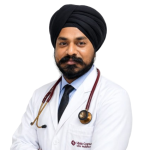
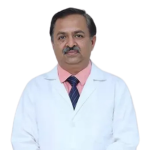
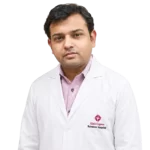

Cardiac Diagnostics at Ujala Cygnus Hospitals



Patient Stories
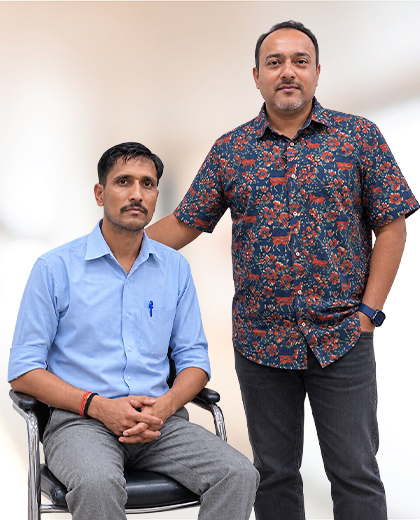
Hip Replacement by
Dr. Indranil Halder

LNICU by
Dr. Rajeev Kumar

CKD Diabetes
CKD Diabetes
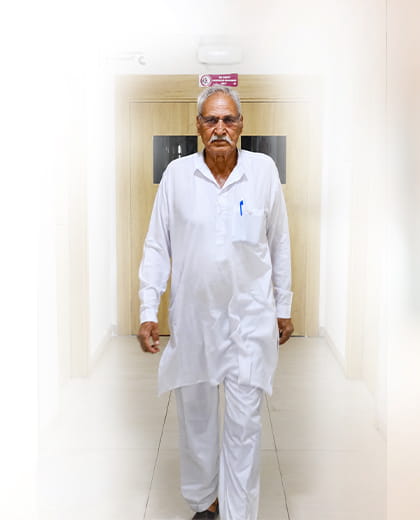
Knee Replacement by
Knee Replacement
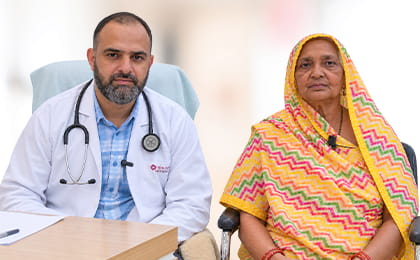
TNBC Survivor by
Dr. Abid Lone
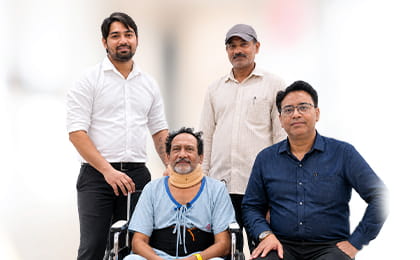
Spine Surgery by
Dr. Saurabh Kumar Sinha
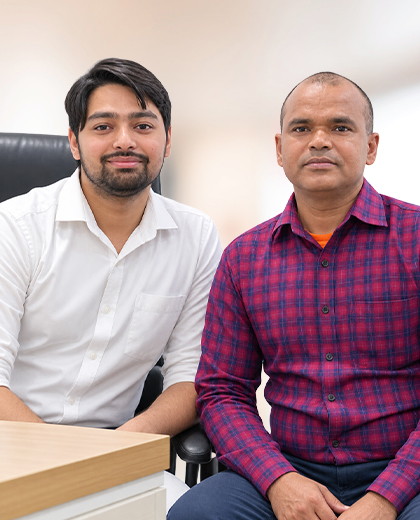
Brain Surgery by
Dr. Saurabh Kumar Sinha
Hip Replacement by
Dr. Indranil Halder
NICU by
Dr. Rajeev Kumar
CKD Diabetes
CKD Diabetes
Knee Replacement by
Knee Replacement
TNBC Survivor by
Dr. Abid Lone
Spine Surgery by
Dr. Saurabh Kumar Sinha
Brain Surgery by
Dr. Saurabh Kumar Sinha
Latest Blogs

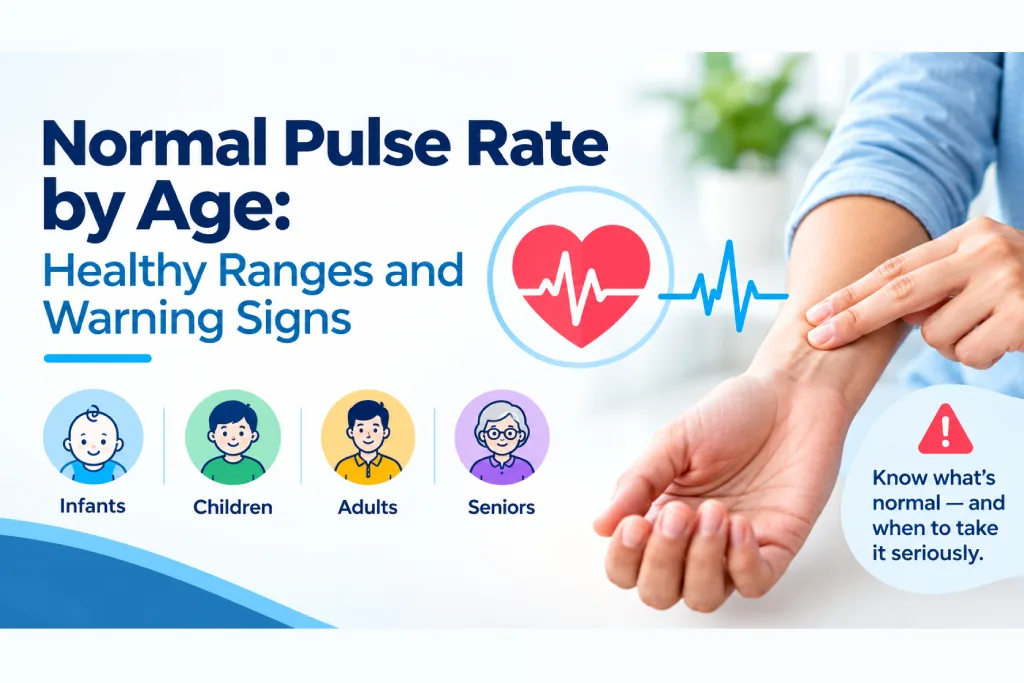





Frequently Asked Questions
What are the early warning signs of heart disease?
Chest pain or tightness, shortness of breath, unusual fatigue, palpitations, dizziness/lightheadedness, pain radiating to the arm or jaw, and swelling in the legs or ankles. As many of these are mistaken for acidity or stress, it is advisable not to ignore recurring symptoms.
When is open-heart surgery required?
When catheter-based interventions are insufficient, typically in cases of complex coronary artery disease, severe valvular conditions, or certain congenital defects. The cardiologist and the cardiac surgeon review the case together before recommending surgery.
What types of cardiac surgery are available at Ujala Cygnus Hospitals?
Bypass surgery (CABG), valve repair and replacement, robotic-assisted cardiac surgery, heart failure surgeries including ventricular reconstruction, and advanced vascular procedures for aortic and carotid conditions are available.
Is minimally invasive cardiac surgery available?
Yes. The cardiac programme includes beating-heart bypass surgery, robotic-assisted procedures, TAVR, MitraClip structural heart repair, and catheter-based valve interventions, all designed to reduce recovery time and surgical risk.
How long does recovery take after a stent or bypass?
Stent placement usually requires one to three days of hospitalisation, and most patients return to normal activity within one to two weeks. Recovery after bypass surgery typically takes four to six weeks, depending on overall health and rehabilitation.
Do Ujala Cygnus Hospitals accept Ayushman Bharat and insurance?
Yes. The hospitals are empanelled with Ayushman Bharat (PM-JAY), CGHS, ECHS, ESIC, and most major private insurers. The team assists with paperwork and cashless claim processing.
Do I need a referral to consult a cardiologist?
No. You can book a direct appointment by calling, visiting the nearest Ujala Cygnus hospital, or booking online through the website.
How do I book an appointment with a heart specialist?
Call +91 9146691466, visit the nearest Ujala Cygnus hospital, or book directly through the website.