Advanced Oral Cancer Surgery at Ujala Cygnus Hospitals
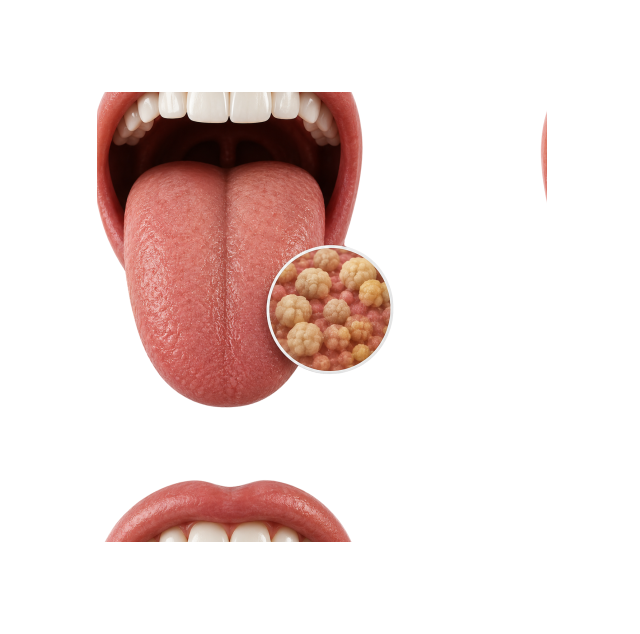
At Ujala Cygnus Hospitals, we offer advanced oral cancer surgery for patients diagnosed with cancers affecting the lips, tongue, gums, floor of the mouth, inner cheeks, palate, and other oral structures. Oral cancer is a serious condition that requires timely diagnosis and expert treatment to improve survival rates and maintain quality of life.
Our multidisciplinary cancer care team includes surgical oncologists, medical oncologists, radiation oncologists, reconstructive surgeons, speech therapists, nutritionists, and rehabilitation specialists who work together to create personalised treatment plans for every patient. The treatment approach depends on the stage, location, size, and extent of the cancer.
Using modern surgical techniques, advanced imaging, and comprehensive rehabilitation support, we focus on complete tumour removal while preserving appearance, speech, swallowing function, and overall wellbeing whenever possible.
What is Oral Cancer Surgery?
Oral Cancer Surgery is a procedure performed to remove cancerous growths and surrounding affected tissues from the oral cavity. The primary goal of surgery is to eliminate the tumour completely while reducing the risk of cancer recurrence and preventing its spread to nearby lymph nodes or other parts of the body.
Depending on the cancer's location and stage, surgery may involve removing a small tumour, excising a larger section of affected tissue, removing lymph nodes in the neck, or performing reconstructive procedures to restore normal oral function and appearance. Oral cancer surgery is often combined with radiation therapy, chemotherapy, or targeted therapy as part of a comprehensive cancer treatment plan.
Types of Oral Cancer Surgery
Tumour Resection Surgery
This procedure involves removing the cancerous tumour along with a margin of healthy tissue to ensure complete cancer removal.
Glossectomy
A surgical procedure performed to remove part or all of the tongue when cancer affects tongue tissues.
Mandibulectomy
Removal of a portion of the jawbone when oral cancer has spread into the mandible.
Maxillectomy
A procedure used to remove part or all of the upper jaw when cancer affects the palate or upper jaw structures.
Neck Dissection Surgery
Performed to remove lymph nodes in the neck that may contain cancer cells or be at risk of cancer spread.
Reconstructive Surgery
Advanced reconstructive procedures help restore speech, swallowing, chewing function, and facial appearance following tumour removal.
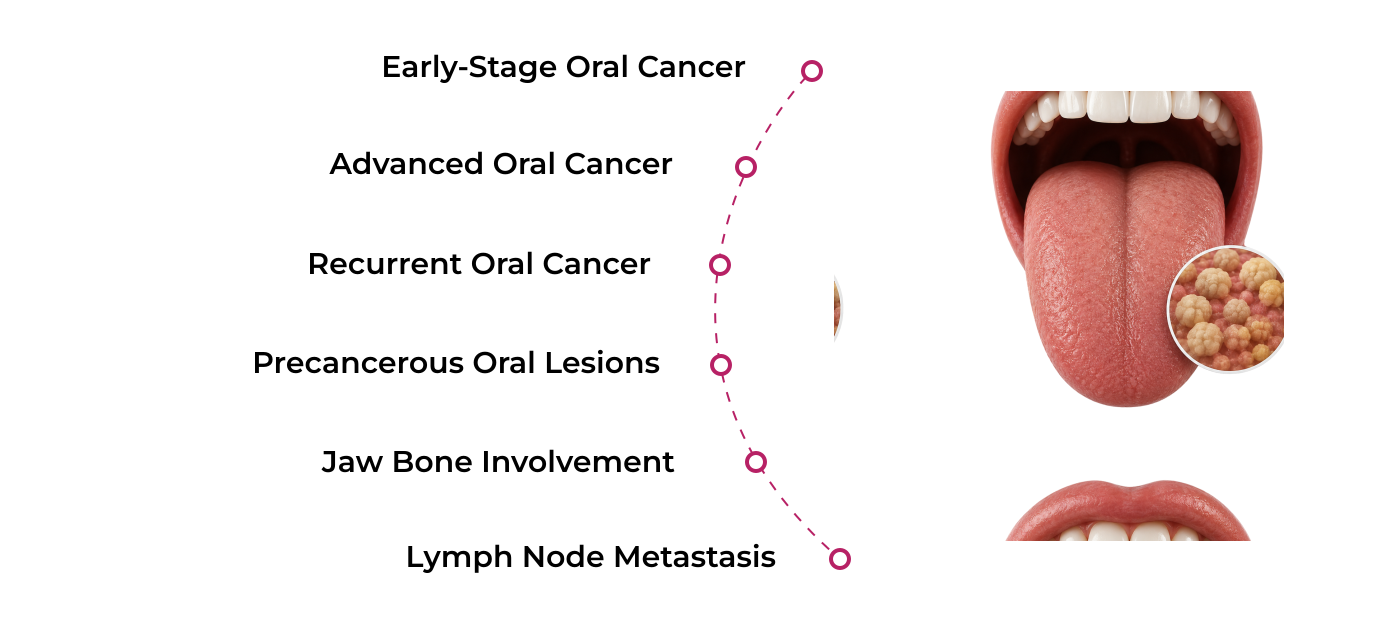
Conditions Treated with Oral Cancer Surgery
Oral Cancer Surgery Procedure: What Happens During Treatment?
Benefits of Oral Cancer Surgery
Oral Cancer Surgery plays a critical role in cancer treatment and can significantly improve outcomes when performed at an early stage.
- Removes cancerous tumours effectively
- Helps prevent cancer progression and spread
- Improves long-term survival rates
- Reduces cancer-related symptoms
- Supports better speech and swallowing function through reconstruction
- Allows accurate cancer staging and treatment planning
- Can be combined with other cancer therapies for improved outcomes
- Enhances quality of life following successful treatment
- Provides the best chance of long-term disease control
Why Choose Ujala Cygnus Hospitals for Oral Cancer Surgery?

Experienced Surgical Oncology Team
Our highly skilled surgical oncologists have extensive experience in diagnosing and treating various types of oral cancers using evidence-based surgical techniques and multidisciplinary cancer care approaches.

Advanced Cancer Diagnosis and Surgical Technology
We utilise advanced imaging, diagnostic tools, modern operating theatres, and precision surgical techniques to support accurate tumour removal and improve treatment outcomes.

Personalised Multidisciplinary Cancer Care
Every patient receives an individualised treatment plan developed by a team of surgical oncologists, medical oncologists, radiation oncologists, reconstructive surgeons, nutritionists, and rehabilitation specialists.

Comprehensive Rehabilitation and Recovery Support
Our cancer care programme extends beyond surgery and includes nutritional guidance, speech therapy, reconstructive support, pain management, psychological counselling, and long-term follow-up care.
Risks and Complications of Oral Cancer Surgery and How They Are Managed
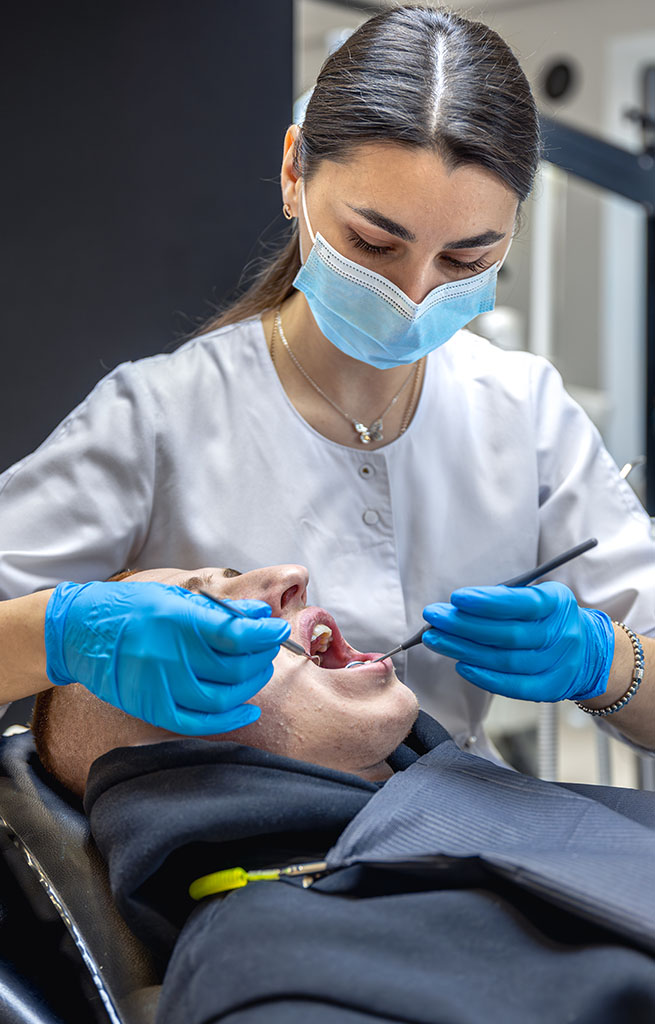
Like any major cancer surgery, Oral Cancer Surgery may involve certain risks and complications. However, careful surgical planning, experienced specialists, and comprehensive post-operative care help minimise these risks and support recovery.
Short-Term Risks
Bleeding
Bleeding may occur during or after surgery and is carefully monitored and managed by the surgical team.
Infection
There is a risk of infection at the surgical site, which is generally controlled with antibiotics and proper wound care.
Pain and Swelling
Temporary pain, swelling, and discomfort are common following surgery and usually improve during recovery.
Difficulty Swallowing
Some patients may experience temporary swallowing difficulties depending on the location and extent of surgery.
Speech Changes
Surgery involving the tongue, palate, or oral tissues may temporarily affect speech and communication.
Long-Term Risks
Changes in Appearance
Certain surgeries may affect facial appearance, particularly when larger tumours require extensive tissue removal.
Persistent Swallowing Difficulties
Some patients may require rehabilitation to improve swallowing function following treatment.
Speech Impairment
Long-term speech changes may occur in selected cases, especially when larger portions of the tongue or oral structures are removed.
Cancer Recurrence
Although surgery aims to remove all cancerous tissue, there remains a possibility of cancer recurrence, requiring ongoing monitoring.
Nutritional Challenges
Patients may experience difficulties eating and maintaining nutrition during the recovery period.
Managing and Reducing Risks
Early Diagnosis and Treatment
Early-stage oral cancers generally require less extensive surgery and are associated with better outcomes.
Expert Surgical Care
Experienced oncology surgeons help optimise tumour removal while preserving healthy tissues whenever possible.
Reconstructive Procedures
Advanced reconstructive surgery can restore appearance and improve oral function after tumour removal.
Ongoing Follow-Up Care
Regular follow-up appointments help detect recurrence early and monitor recovery progress.
Recovery and Rehabilitation After Oral Cancer Surgery
Recovery following Oral Cancer Surgery varies depending on the type of procedure performed, the stage of cancer, and the patient's overall health. A structured rehabilitation plan helps patients regain strength, function, and confidence during recovery.
Diet and Nutrition
Proper nutrition is essential during cancer recovery. Patients may initially require soft foods, liquid diets, or specialised nutritional support depending on the extent of surgery. Dietitians work closely with patients to ensure adequate nutritional intake and healing.
Speech and Swallowing Rehabilitation
Speech therapists play an important role in helping patients improve communication skills, swallowing function, and oral muscle coordination after surgery.
Physical Recovery and Activity
Patients are encouraged to gradually increase physical activity as recommended by their healthcare team. Gentle movement and rehabilitation exercises can support recovery and overall wellbeing.
Emotional and Psychological Support
A cancer diagnosis and treatment journey can be emotionally challenging. Psychological counselling, support groups, and family involvement can help patients cope with stress, anxiety, and emotional concerns.
Follow-Up Care and Monitoring
Regular follow-up appointments are essential for monitoring recovery, evaluating treatment outcomes, managing side effects, and detecting any signs of recurrence at an early stage.
Patient Stories
Hip Replacement by
Dr. Indranil Halder

LNICU by
Dr. Rajeev Kumar

CKD Diabetes
CKD Diabetes
Knee Replacement by
Knee Replacement
TNBC Survivor by
Dr. Abid Lone
Spine Surgery by
Dr. Saurabh Kumar Sinha
Brain Surgery by
Dr. Saurabh Kumar Sinha
Hip Replacement by
Dr. Indranil Halder
NICU by
Dr. Rajeev Kumar
CKD Diabetes
CKD Diabetes
Knee Replacement by
Knee Replacement
TNBC Survivor by
Dr. Abid Lone
Spine Surgery by
Dr. Saurabh Kumar Sinha
Brain Surgery by
Dr. Saurabh Kumar Sinha
Latest Blogs







Frequently Asked Questions
What is Oral Cancer Surgery?
Oral Cancer Surgery is a procedure performed to remove cancerous tumours and affected tissues from the mouth, tongue, gums, lips, jaw, or other parts of the oral cavity to treat oral cancer and prevent its spread.
When is Oral Cancer Surgery recommended?
The procedure is commonly recommended for patients diagnosed with oral cancer, particularly when the tumour can be surgically removed to improve treatment outcomes and disease control.
Is Oral Cancer Surgery painful?
Patients receive anaesthesia during surgery and appropriate pain management after the procedure. Some discomfort during recovery is expected but is generally manageable with medication and supportive care.
How long does recovery take after Oral Cancer Surgery?
Recovery time varies depending on the extent of surgery and whether reconstructive procedures are required. Many patients begin recovering within a few weeks, while full rehabilitation may take several months.
Can Oral Cancer Surgery cure oral cancer?
When diagnosed and treated early, surgery can be highly effective and may offer the best chance for long-term disease control or cure. Additional treatments such as radiation therapy or chemotherapy may also be recommended.
What are the warning signs of oral cancer?
Common symptoms include persistent mouth ulcers, lumps in the mouth, difficulty swallowing, unexplained bleeding, white or red patches inside the mouth, jaw pain, and persistent oral discomfort that does not improve.