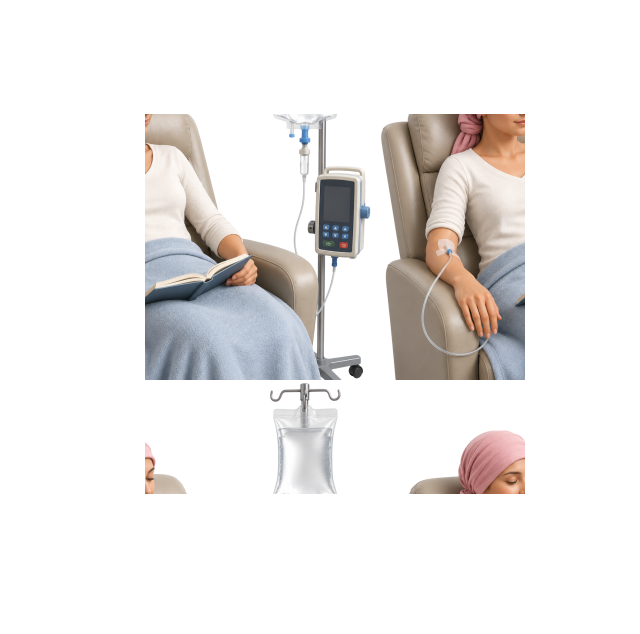
Advanced Chemotherapy Treatment at Ujala Cygnus Hospitals
At Ujala Cygnus Hospitals, we provide comprehensive chemotherapy treatment for a wide range of cancers using modern treatment protocols and personalised cancer care plans. Chemotherapy plays a crucial role in cancer management by targeting rapidly growing cancer cells and helping to control, shrink, or eliminate tumours.
Our multidisciplinary oncology team carefully evaluates each patient's cancer type, stage, overall health condition, and treatment goals before developing a customised chemotherapy plan. Chemotherapy may be used before surgery to shrink tumours, after surgery to destroy remaining cancer cells, or as a primary treatment for certain cancers.
With advanced infusion facilities, dedicated oncology specialists, supportive care services, and continuous patient monitoring, we focus on delivering safe, effective, and compassionate cancer treatment while helping patients maintain the best possible quality of life throughout their cancer journey.
What is Chemotherapy?
Chemotherapy is a cancer treatment that uses specialised anti-cancer drugs to destroy cancer cells, prevent their growth, and reduce their ability to spread throughout the body. These medications travel through the bloodstream and can target cancer cells in various parts of the body, making chemotherapy an effective treatment for both localised and advanced cancers.
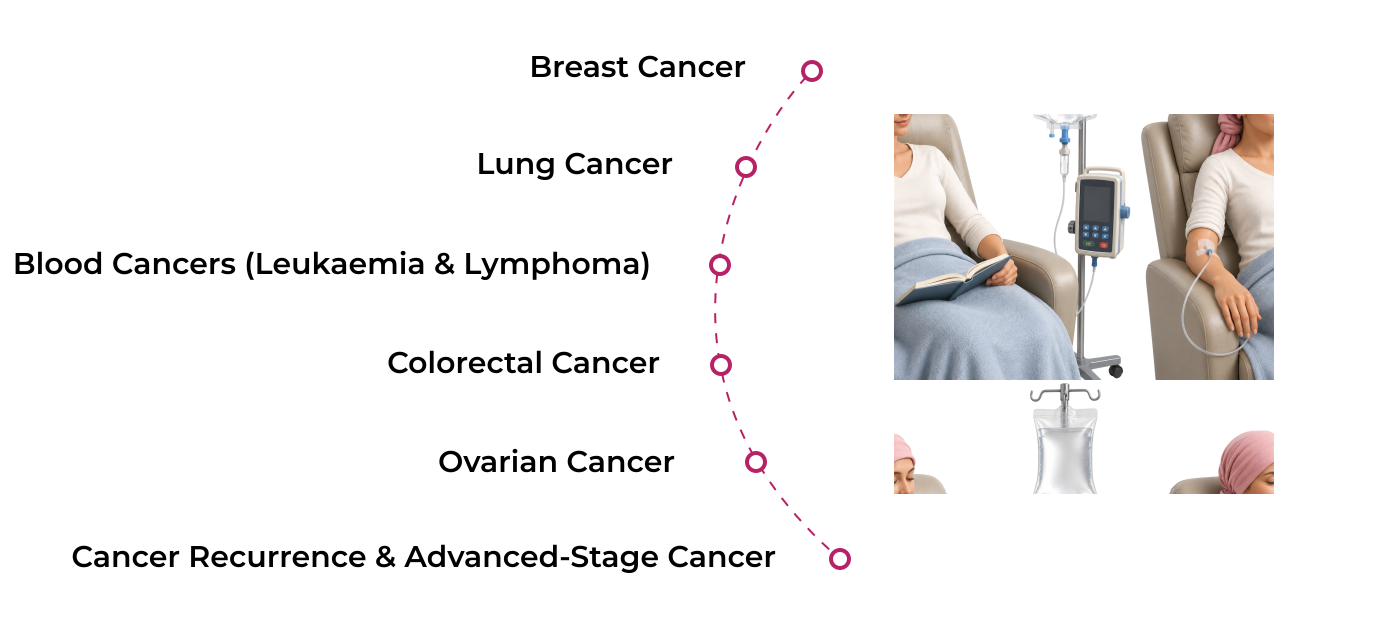
Depending on the type of cancer, chemotherapy may be administered intravenously, orally, through injections, or directly into specific body cavities. Treatment is usually given in cycles, allowing healthy cells time to recover between sessions. Chemotherapy is commonly used to treat cancers of the breast, lung, colon, blood, lymphatic system, ovary, prostate, and many other organs.
Types of Chemotherapy
Curative Chemotherapy
This type of chemotherapy aims to completely eliminate cancer cells and achieve long-term remission or cure.
Neoadjuvant Chemotherapy
Administered before surgery or radiation therapy to shrink tumours and improve treatment effectiveness.
Adjuvant Chemotherapy
Given after surgery or primary treatment to destroy remaining cancer cells and reduce the risk of recurrence.
Palliative Chemotherapy
Used to control cancer growth, relieve symptoms, and improve quality of life in advanced-stage cancers.
Combination Chemotherapy
Involves the use of multiple chemotherapy drugs together to improve treatment outcomes and target cancer through different mechanisms.
Maintenance Chemotherapy
Low-dose chemotherapy given over an extended period to help prevent cancer progression or recurrence.
Conditions Treated with Chemotherapy
Chemotherapy Procedure: What Happens During Treatment?
Benefits of Chemotherapy Treatment
Chemotherapy remains one of the most important and effective cancer treatments, offering significant benefits for many patients across different stages of cancer.
- Destroys cancer cells throughout the body
- Helps shrink tumours before surgery or radiation therapy
- Reduces the risk of cancer recurrence
- Slows the growth and spread of cancer
- Improves survival outcomes for many cancer types
- Relieves cancer-related symptoms in advanced disease
- Can be combined with other cancer treatments for better results
- Supports long-term cancer management
- Helps improve overall quality of life in suitable patients
Why Choose Ujala Cygnus Hospitals for Chemotherapy Treatment?

Experienced Medical Oncology Team
Our highly skilled oncologists have extensive experience in diagnosing and treating various cancers using the latest chemotherapy protocols and evidence-based treatment approaches.

Advanced Cancer Care Facilities
We offer dedicated chemotherapy infusion units, advanced diagnostic services, and comprehensive cancer treatment infrastructure to support safe and effective care.

Personalised Cancer Treatment Plans
Every patient receives an individualised treatment strategy tailored to their cancer type, stage, overall health, and treatment objectives.

Comprehensive Supportive Care
From nutritional guidance and symptom management to emotional support and rehabilitation services, we provide holistic care throughout the treatment journey.
Risks and Side Effects of Chemotherapy and How They Are Managed
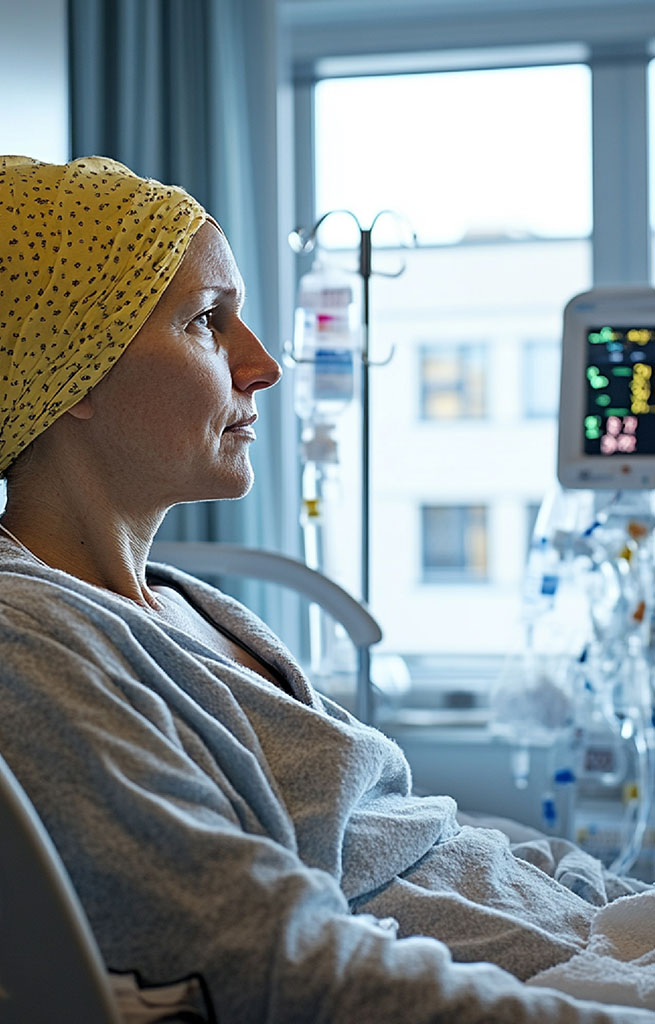
While chemotherapy is highly effective in treating cancer, it can affect healthy cells alongside cancer cells, leading to certain side effects. Our oncology team closely monitors patients and provides supportive care to minimise treatment-related complications.
Common Side Effects
Fatigue
Many patients experience tiredness or reduced energy levels during chemotherapy treatment.
Nausea and Vomiting
Some chemotherapy medications may cause digestive symptoms, which can often be managed with supportive medications.
Hair Loss
Temporary hair thinning or hair loss may occur depending on the type of chemotherapy drugs used.
Appetite Changes
Patients may experience reduced appetite, taste changes, or nutritional challenges during treatment.
Increased Risk of Infection
Chemotherapy can temporarily lower white blood cell counts, increasing susceptibility to infections.
Potential Long-Term Effects
Nerve Damage
Certain chemotherapy drugs may cause numbness, tingling, or weakness in the hands and feet.
Fertility Concerns
Some treatments may affect fertility, and patients may discuss fertility preservation options before treatment.
Heart or Organ Effects
Rarely, specific chemotherapy medications can affect heart, kidney, or liver function and require monitoring.
Cognitive Changes
Some patients report temporary memory or concentration difficulties during or after treatment.
Managing Chemotherapy Side Effects
Regular Monitoring
Routine blood tests and clinical assessments help identify and manage side effects promptly.
Supportive Medications
Specialised medications can help control nausea, infections, pain, and other treatment-related symptoms.
Nutritional Support
Dietitians provide guidance to help maintain strength, weight, and nutritional health during treatment.
Personalised Care Planning
Treatment schedules and supportive care strategies are adjusted according to individual patient needs and response.
Recovery and Support During Chemotherapy Treatment
Recovery during and after chemotherapy varies depending on the type of cancer, treatment intensity, and individual health condition. Comprehensive supportive care is essential for improving comfort and treatment outcomes.
Diet and Nutrition
A balanced diet rich in protein, vitamins, and essential nutrients supports recovery, strengthens immunity, and helps maintain energy levels throughout treatment.
Physical Activity and Rehabilitation
Gentle physical activity, as recommended by healthcare professionals, can help reduce fatigue, improve strength, and enhance overall wellbeing.
Mental Health and Emotional Support
Cancer treatment can be emotionally challenging. Counselling services, support groups, and family involvement can help patients cope with treatment-related stress and anxiety.
Follow-Up Care and Monitoring
Regular follow-up appointments help assess treatment response, monitor recovery, detect any recurrence, and support long-term cancer management.
Patient Stories
Hip Replacement by
Dr. Indranil Halder
LNICU by
Dr. Rajeev Kumar
CKD Diabetes
CKD Diabetes
Knee Replacement by
Knee Replacement
TNBC Survivor by
Dr. Abid Lone
Spine Surgery by
Dr. Saurabh Kumar Sinha
Brain Surgery by
Dr. Saurabh Kumar Sinha
Hip Replacement by
Dr. Indranil Halder
NICU by
Dr. Rajeev Kumar
CKD Diabetes
CKD Diabetes
Knee Replacement by
Knee Replacement
TNBC Survivor by
Dr. Abid Lone
Spine Surgery by
Dr. Saurabh Kumar Sinha
Brain Surgery by
Dr. Saurabh Kumar Sinha
Latest Blogs




Frequently Asked Questions
What is chemotherapy used for?
Chemotherapy is used to destroy cancer cells, shrink tumours, prevent cancer from spreading, reduce recurrence risk, and relieve symptoms associated with advanced cancers.
How is chemotherapy administered?
Chemotherapy may be given through intravenous infusion, oral tablets, injections, or specialised delivery methods depending on the cancer type and treatment plan.
Is chemotherapy painful?
Chemotherapy itself is generally not painful, although some patients may experience temporary discomfort from intravenous infusions or treatment-related side effects.
How long does chemotherapy treatment last?
The duration of chemotherapy varies depending on the type of cancer, treatment goals, and individual response. Treatment may continue for several weeks or months through planned cycles.
What are the common side effects of chemotherapy?
Common side effects may include fatigue, nausea, hair loss, appetite changes, low immunity, and temporary changes in blood cell counts.
Can patients continue normal activities during chemotherapy?
Many patients can continue some daily activities during treatment, although energy levels and physical capacity may vary. The oncology team provides personalised guidance based on each patient’s condition.