Advanced Spine Surgery at Ujala Cygnus Hospitals
At Ujala Cygnus Hospitals, we provide comprehensive spine care for patients suffering from a wide range of spinal conditions. The spine plays a critical role in supporting the body, protecting the spinal cord, and enabling movement. When spinal disorders affect these functions, patients may experience severe pain, numbness, weakness, difficulty walking, or reduced quality of life.
Our multidisciplinary team of spine surgeons, orthopaedic specialists, neurosurgeons, physiotherapists, pain management experts, and rehabilitation professionals works together to deliver personalised treatment plans. Spine surgery is typically considered when non-surgical treatments such as medication, physiotherapy, injections, and lifestyle modifications fail to provide adequate relief.
Using minimally invasive techniques, advanced imaging systems, and precision-guided surgical procedures, we aim to reduce pain, restore spinal stability, improve nerve function, and help patients return to their normal activities as safely and quickly as possible.
What is Spine Surgery?
Spine Surgery refers to a range of surgical procedures performed to correct structural abnormalities, relieve pressure on spinal nerves, stabilise the spine, and treat various spinal disorders. The specific surgical approach depends on the underlying condition, severity of symptoms, and overall health of the patient.
The primary goal of spine surgery is to alleviate pain, improve mobility, restore neurological function, and enhance the patient's quality of life. Modern spine surgery often involves minimally invasive techniques that use smaller incisions, reduce tissue damage, minimise recovery time, and improve surgical outcomes compared to traditional open procedures.
Types of Spine Surgery
Discectomy
A procedure performed to remove part of a damaged or herniated disc that is pressing on nearby nerves and causing pain or neurological symptoms.
Laminectomy
This surgery involves removing a portion of the vertebral bone called the lamina to relieve pressure on the spinal cord or nerves.
Spinal Fusion Surgery
A procedure that permanently joins two or more vertebrae to stabilise the spine and reduce painful movement.
Microdiscectomy
A minimally invasive technique used to remove herniated disc material through a small incision with minimal disruption to surrounding tissues.
Artificial Disc Replacement
Damaged spinal discs are replaced with artificial implants to preserve spinal movement while relieving pain.
Scoliosis Correction Surgery
Performed to correct abnormal spinal curvature and improve spinal alignment, balance, and function.
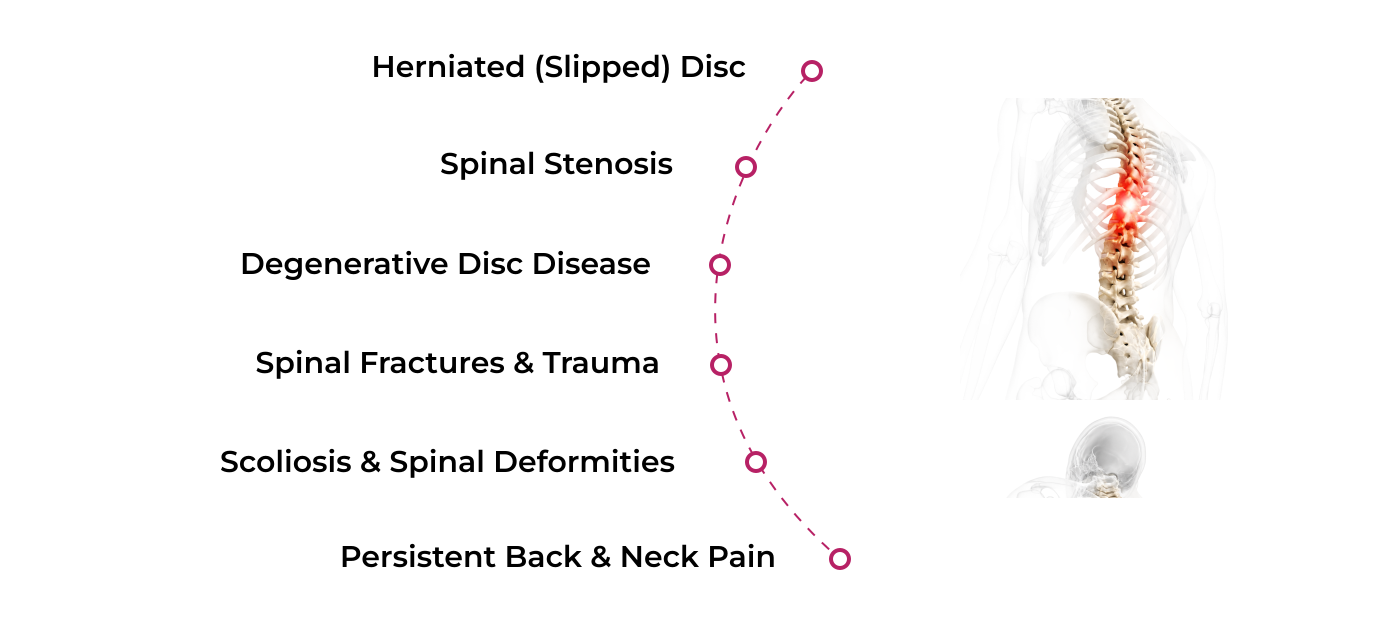
Conditions Treated with Spine Surgery
Spine Surgery Procedure: What Happens During Treatment?
Benefits of Spine Surgery
Spine Surgery can provide significant relief for patients suffering from chronic spinal conditions and nerve-related symptoms.
- Relieves chronic back and neck pain
- Reduces nerve compression and associated symptoms
- Improves mobility and physical function
- Restores spinal stability and alignment
- Enhances quality of life and daily activities
- Helps correct spinal deformities
- Improves walking ability and balance
- Reduces numbness, weakness, and tingling sensa
- Supports long-term spinal health and function
Why Choose Ujala Cygnus Hospitals for Spine Surgery?

Experienced Spine Specialists
Our team includes highly skilled spine surgeons, orthopaedic surgeons, neurosurgeons, and rehabilitation experts with extensive experience in treating complex spinal conditions.

Advanced Surgical Technology
We utilise modern operating theatres, advanced imaging systems, navigation-assisted surgery, and minimally invasive techniques to improve surgical precision and patient outcomes.

Personalised Treatment Approach
Every patient receives a customised treatment plan tailored to their condition, symptoms, lifestyle, and recovery goals.

Comprehensive Rehabilitation Support
From diagnosis to post-surgical rehabilitation, we provide complete care including physiotherapy, pain management, and long-term recovery support.
Risks and Complications of Spine Surgery and How They Are Managed
Like any surgical procedure, Spine Surgery carries certain risks. However, modern surgical techniques and experienced specialists help minimise complications and improve outcomes.
Short-Term Risks
Infection
Infections may occur at the surgical site but are generally managed effectively with antibiotics and wound care.
Bleeding
Minor bleeding can occur during or after surgery and is carefully monitored by the medical team.
Pain and Swelling
Temporary discomfort and swelling are common during the initial recovery period.
Blood Clots
Although uncommon, blood clots may develop after surgery and preventive measures are taken to reduce this risk.
Anaesthesia-Related Complications
Rare reactions to anaesthesia are carefully managed through pre-operative evaluation and monitoring.
Long-Term Risks
Persistent Pain
Some patients may continue to experience residual pain despite successful surgery.
Nerve Injury
Although uncommon, injury to nearby nerves can potentially affect sensation or movement.
Failure of Spinal Fusion
In some cases, spinal fusion may not heal completely, requiring further treatment.
Recurrence of Disc Problems
Certain spinal conditions may recur over time despite successful surgery.
Adjacent Segment Degeneration
Additional stress on nearby spinal segments may contribute to future spinal degeneration.
Managing and Reducing Risks
Detailed Pre-Surgical Assessment
Comprehensive evaluation helps identify risks and optimise patient safety before surgery.
Experienced Surgical Team
Specialist spine surgeons use evidence-based techniques to improve outcomes and reduce complications.
Advanced Surgical Technology
Modern imaging and minimally invasive procedures help improve accuracy and recovery.
Structured Rehabilitation Programme
Physiotherapy and follow-up care play a key role in achieving successful long-term results.
Recovery and Rehabilitation After Spine Surgery
Recovery time varies depending on the type of surgery, the patient's health, and the severity of the spinal condition. A structured rehabilitation programme is essential for optimal healing.
Diet and Nutrition
A healthy diet rich in protein, vitamins, minerals, and hydration supports tissue repair and recovery following surgery.
Physical Therapy and Exercise
Physiotherapy helps improve strength, flexibility, posture, and mobility while supporting spinal healing and function.
Lifestyle Modifications
Patients may be advised to maintain proper posture, avoid heavy lifting, manage body weight, and follow ergonomic practices to protect spinal health.
Emotional and Psychological Wellbeing
Chronic pain and surgery can affect emotional health. Counselling and family support can help patients remain motivated during recovery.
Follow-Up Care and Monitoring
Regular follow-up appointments help monitor healing, assess spinal function, and ensure long-term treatment success.
Patient Stories
Hip Replacement by
Dr. Indranil Halder

LNICU by
Dr. Rajeev Kumar

CKD Diabetes
CKD Diabetes

Knee Replacement by
Knee Replacement
TNBC Survivor by
Dr. Abid Lone
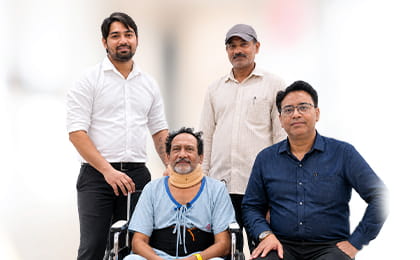
Spine Surgery by
Dr. Saurabh Kumar Sinha
Brain Surgery by
Dr. Saurabh Kumar Sinha
Hip Replacement by
Dr. Indranil Halder
NICU by
Dr. Rajeev Kumar
CKD Diabetes
CKD Diabetes
Knee Replacement by
Knee Replacement
TNBC Survivor by
Dr. Abid Lone
Spine Surgery by
Dr. Saurabh Kumar Sinha
Brain Surgery by
Dr. Saurabh Kumar Sinha
Latest Blogs










Frequently Asked Questions
What is Spine Surgery?
Spine Surgery refers to various procedures performed to treat spinal disorders, relieve nerve compression, stabilise the spine, and improve pain, mobility, and quality of life.
When is Spine Surgery recommended?
Spine Surgery may be recommended when non-surgical treatments fail to relieve symptoms such as chronic back pain, neck pain, nerve compression, spinal instability, or spinal deformities.
Is Spine Surgery safe?
Modern spine surgery is generally safe when performed by experienced specialists. Risks are carefully evaluated and managed throughout the treatment process.
How long does recovery take after Spine Surgery?
Recovery varies depending on the procedure performed. Some patients recover within a few weeks, while more complex surgeries may require several months of rehabilitation.
Can Spine Surgery relieve chronic back pain?
Many patients experience significant improvement in pain and function following surgery, particularly when nerve compression or structural abnormalities are successfully treated.
What are the benefits of minimally invasive spine surgery?
Minimally invasive procedures often result in smaller incisions, reduced pain, shorter hospital stays, faster recovery, and lower risk of complications compared to traditional open surgery.