Advanced Stroke Treatment at Ujala Cygnus Hospitals
At Ujala Cygnus Hospitals, we provide comprehensive stroke treatment services designed to deliver rapid diagnosis, emergency intervention, specialised neurological care, and long-term rehabilitation support. Stroke is one of the leading causes of disability and death worldwide, making early recognition and immediate treatment critical for improving patient outcomes.
Our multidisciplinary stroke care team works around the clock to provide timely evaluation and treatment for patients experiencing symptoms such as sudden weakness, facial drooping, speech difficulties, vision problems, dizziness, loss of balance, or severe headaches. Using advanced imaging technologies such as CT scans, MRI scans, and vascular studies, we quickly determine the type and severity of stroke to guide treatment decisions.
From emergency clot-busting therapies and minimally invasive procedures to intensive rehabilitation programmes, our focus is on reducing brain injury, restoring neurological function, and helping patients regain independence and quality of life.
What is Stroke Treatment?
Stroke Treatment refers to a range of medical, interventional, and rehabilitative therapies used to manage and treat strokes. The specific treatment depends on whether the stroke is caused by a blocked artery (ischaemic stroke) or bleeding in the brain (haemorrhagic stroke).
The primary goal of stroke treatment is to restore normal blood flow to the brain as quickly as possible, limit brain damage, prevent complications, and reduce the risk of future strokes. Depending on the patient's condition, treatment may involve emergency medications, clot removal procedures, surgery, intensive monitoring, rehabilitation therapy, and long-term preventive care.
Types of Stroke Treatment
Intravenous Thrombolysis
This emergency treatment uses clot-dissolving medication to restore blood flow in patients with acute ischaemic stroke when administered within the recommended treatment window.
Mechanical Thrombectomy
A minimally invasive procedure used to physically remove a blood clot from a blocked brain artery in selected stroke patients.
Medical Management
Includes medications to control blood pressure, blood sugar, cholesterol levels, blood clotting, and other stroke-related risk factors.
Haemorrhagic Stroke Treatment
Treatment focuses on controlling bleeding, reducing pressure within the brain, and preventing further complications.
Neurosurgical Intervention
Surgery may be required in certain cases to relieve brain pressure, repair blood vessel abnormalities, or remove accumulated blood.
Stroke Rehabilitation
A comprehensive rehabilitation programme designed to restore movement, speech, cognitive abilities, and daily functioning after stroke.
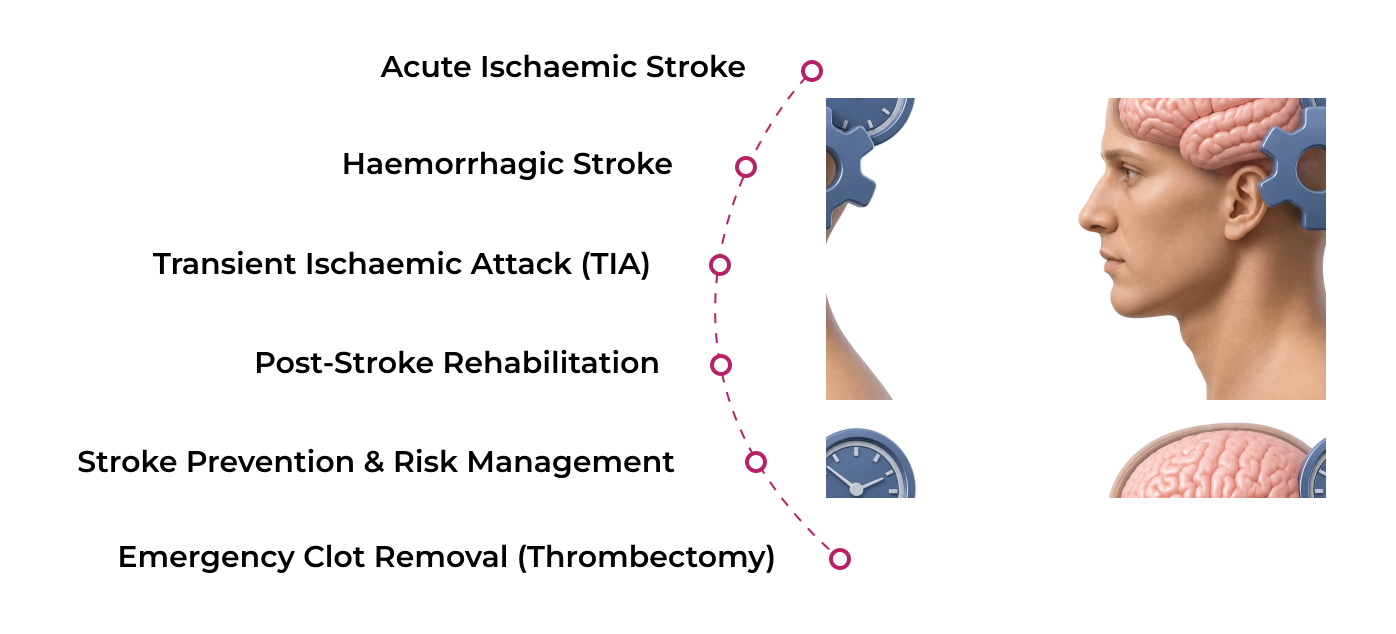
Conditions Treated Through Stroke Management
Stroke Treatment Procedure: What Happens During Care?
Benefits of Timely Stroke Treatment
Rapid stroke treatment can significantly improve outcomes and reduce the risk of permanent disability.
- Restores blood flow to affected areas of the brain
- Minimises brain damage and neurological complications
- Improves survival rates following stroke
- Reduces the risk of long-term disability
- Enhances recovery of movement and coordination
- Improves speech and communication abilities
- Supports independent daily living
- Helps prevent recurrent strokes
- Improves overall quality of life after stroke
Why Choose Ujala Cygnus Hospitals for Stroke Treatment?

Experienced Neurology and Stroke Specialists
Our dedicated team includes neurologists, neurosurgeons, critical care specialists, rehabilitation experts, and emergency physicians experienced in managing complex stroke cases.

Advanced Stroke Diagnostic Technology
We utilise modern CT scans, MRI imaging, vascular studies, and neurological monitoring systems to support rapid diagnosis and treatment.

24/7 Emergency Stroke Care
Stroke is a medical emergency. Our emergency teams are available round the clock to provide timely assessment and intervention when every minute matters.

Comprehensive Rehabilitation Services
Our multidisciplinary rehabilitation programme focuses on helping patients regain physical, cognitive, speech, and functional abilities following stroke.
Risks and Complications of Stroke and Its Treatment
Stroke itself can lead to serious complications, and treatment decisions are carefully tailored to maximise benefits while minimising risks.
Short-Term Risks
Brain Swelling
Some patients may develop swelling within the brain following a stroke, requiring close monitoring and specialised treatment.
Bleeding Complications
Certain treatments, including clot-dissolving medications, may carry a small risk of bleeding.
Seizures
Seizures may occasionally occur after a stroke due to brain tissue injury.
Difficulty Swallowing
Stroke can affect swallowing muscles, increasing the risk of aspiration and nutritional challenges.
Reduced Mobility
Temporary or permanent weakness may affect movement and physical function.
Long-Term Risks
Paralysis or Weakness
Some patients may experience lasting weakness on one side of the body.
Speech and Language Difficulties
Communication problems can persist following certain types of stroke.
Cognitive Impairment
Memory, concentration, and problem-solving abilities may be affected.
Emotional and Behavioural Changes
Depression, anxiety, mood changes, and emotional difficulties are relatively common after stroke.
Recurrent Stroke
Patients who have experienced one stroke remain at increased risk of future strokes without appropriate preventive care.
Managing and Reducing Risks
Early Emergency Treatment
Rapid treatment significantly improves outcomes and reduces complications.
Specialist Stroke Care
Management by experienced stroke specialists helps optimise recovery and minimise risks.
Rehabilitation Programmes
Targeted therapy supports functional recovery and independence.
Long-Term Risk Factor Control
Managing blood pressure, diabetes, cholesterol, smoking, and lifestyle factors helps prevent future strokes.
Recovery and Rehabilitation After Stroke Treatment
Recovery from stroke varies widely depending on the severity of the stroke, the area of the brain affected, and the timing of treatment. Rehabilitation plays a crucial role in helping patients regain independence and improve quality of life.
Nutrition and Healthy Living
A heart-healthy and brain-healthy diet supports recovery and helps reduce future stroke risk. Patients receive personalised dietary recommendations based on their medical condition.
Physical Rehabilitation
Physiotherapy helps improve strength, balance, mobility, coordination, and physical function after stroke.
Speech and Cognitive Therapy
Speech therapists and neurorehabilitation specialists assist patients in recovering communication, memory, attention, and cognitive skills.
Emotional and Psychological Support
Psychological counselling and family support can help patients cope with emotional challenges during recovery.
Follow-Up Care and Prevention
Regular neurological follow-up, medication management, and lifestyle modifications help reduce the risk of recurrent strokes and support long-term health.
Patient Stories
Hip Replacement by
Dr. Indranil Halder
LNICU by
Dr. Rajeev Kumar
CKD Diabetes
CKD Diabetes
Knee Replacement by
Knee Replacement
TNBC Survivor by
Dr. Abid Lone
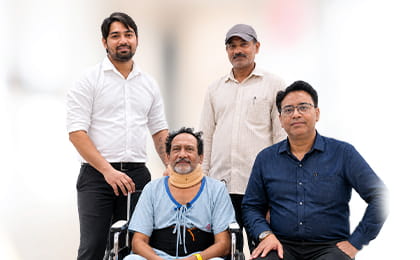
Spine Surgery by
Dr. Saurabh Kumar Sinha
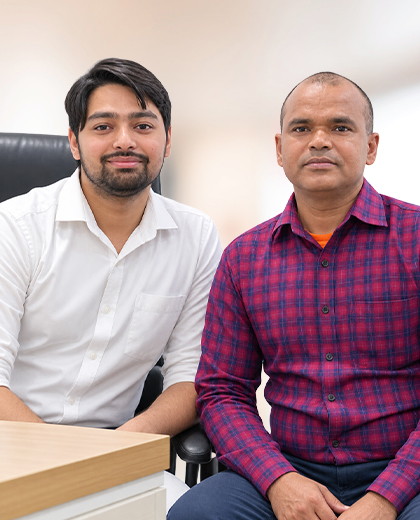
Brain Surgery by
Dr. Saurabh Kumar Sinha
Hip Replacement by
Dr. Indranil Halder
NICU by
Dr. Rajeev Kumar
CKD Diabetes
CKD Diabetes
Knee Replacement by
Knee Replacement
TNBC Survivor by
Dr. Abid Lone
Spine Surgery by
Dr. Saurabh Kumar Sinha
Brain Surgery by
Dr. Saurabh Kumar Sinha
Latest Blogs



Frequently Asked Questions
What is a stroke?
A stroke occurs when blood flow to part of the brain is interrupted or when a blood vessel in the brain ruptures, causing brain cells to become damaged.
What are the warning signs of a stroke?
Common symptoms include facial drooping, arm weakness, speech difficulties, sudden vision changes, dizziness, loss of balance, and severe headache.
Is stroke a medical emergency?
Yes. Stroke requires immediate medical attention. Early treatment can significantly reduce brain damage and improve recovery outcomes.
What treatments are available for stroke?
Treatment may include clot-dissolving medications, mechanical thrombectomy, surgery, intensive medical care, rehabilitation therapy, and preventive treatments.
Can patients recover completely after a stroke?
Recovery varies from person to person. Many patients experience significant improvement with early treatment and structured rehabilitation, although some may have lasting neurological deficits.
How can the risk of stroke be reduced?
Managing blood pressure, diabetes, cholesterol levels, maintaining a healthy lifestyle, avoiding tobacco, exercising regularly, and following medical advice can help reduce stroke risk.