Advanced Angioplasty Treatment at Ujala Cygnus Hospitals
At Ujala Cygnus Hospitals, we offer comprehensive angioplasty treatment for patients diagnosed with blocked or narrowed heart arteries. Coronary artery disease is one of the leading causes of heart-related complications and can significantly impact a person's quality of life if left untreated. Angioplasty is an effective procedure that restores blood flow to the heart muscle and helps prevent further damage.
Our highly skilled interventional cardiologists utilise advanced imaging techniques and modern catheter-based procedures to accurately identify arterial blockages and provide targeted treatment. Depending on the patient's condition, angioplasty may be performed as an emergency procedure during a heart attack or as a planned treatment for chronic coronary artery disease.
With state-of-the-art cardiac facilities, personalised treatment plans, and comprehensive post-procedure care, we are committed to helping patients achieve better heart health and long-term cardiovascular wellbeing.
What is Angioplasty?
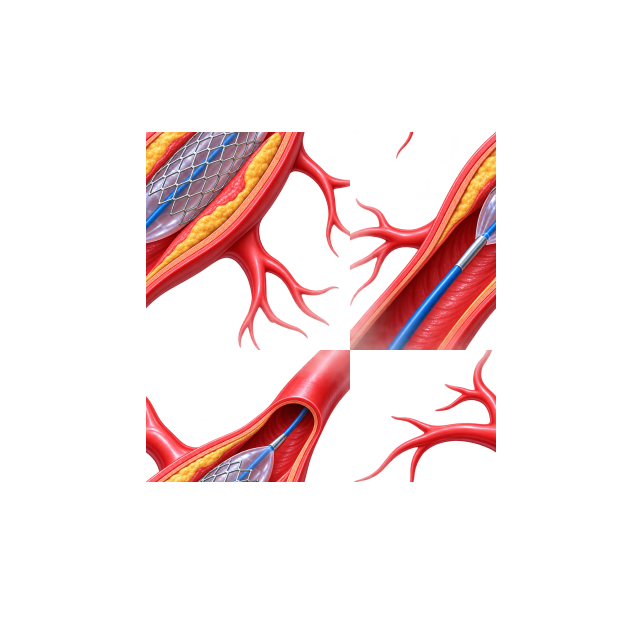
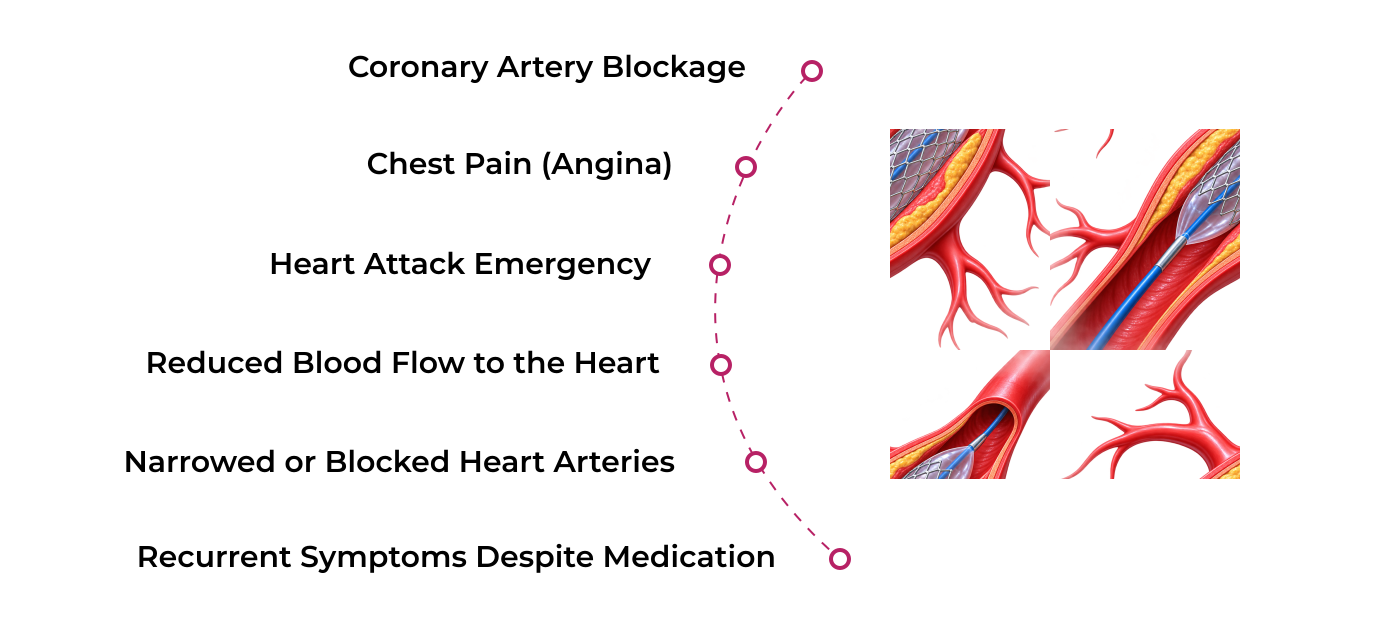
Angioplasty, also known as Percutaneous Coronary Intervention (PCI), is a minimally invasive procedure used to widen narrowed or blocked coronary arteries. During the procedure, a thin catheter with a small balloon at its tip is inserted through a blood vessel and guided to the affected artery. The balloon is then inflated to open the blockage and improve blood flow.
In many cases, a coronary stent is also placed within the artery to keep it open and reduce the risk of future narrowing. Angioplasty is widely used to treat coronary artery disease, relieve symptoms such as chest pain and shortness of breath, and improve overall heart function.
Types of Angioplasty
Balloon Angioplasty
A small balloon is inflated within the blocked artery to widen the vessel and improve blood flow to the heart.
Coronary Stent Angioplasty
A metal mesh stent is inserted into the artery after balloon expansion to help keep the artery open long term.
Drug-Eluting Stent (DES) Angioplasty
Specialised stents coated with medication help reduce the risk of artery re-narrowing after the procedure.
Primary Angioplasty
An emergency angioplasty performed during a heart attack to quickly restore blood flow and minimise heart muscle damage.
Peripheral Angioplasty
Used to treat narrowed arteries outside the heart, such as those affecting the legs, kidneys, or neck.
Complex Angioplasty
Advanced procedures performed for multiple blockages, heavily calcified arteries, or challenging coronary conditions.
Conditions Treated with Angioplasty
Angioplasty Procedure: What Happens During Treatment?
Benefits of Angioplasty Treatment
Angioplasty offers a highly effective and minimally invasive solution for restoring blood flow to the heart and improving cardiovascular health.
- Restores healthy blood flow to the heart
- Relieves chest pain and angina symptoms
- Improves heart function and circulation
- Reduces the risk of heart attack complications
- Minimally invasive procedure with smaller incisions
- Faster recovery compared to open-heart surgery
- Improves exercise tolerance and physical activity levels
- Enhances overall quality of life
- Helps prevent further cardiovascular complications
Why Choose Ujala Cygnus Hospitals for Angioplasty?

Experienced Interventional Cardiologists
Our skilled cardiac specialists have extensive experience in performing routine and complex angioplasty procedures with a strong focus on patient safety and outcomes.

Advanced Cardiac Technology
We utilise modern catheterisation laboratories, high-resolution imaging systems, and advanced stent technologies for precise diagnosis and treatment.

Personalised Heart Care
Each patient receives an individualised treatment plan tailored to their specific cardiac condition, medical history, and long-term health goals.

Comprehensive Cardiac Rehabilitation
Our multidisciplinary team provides ongoing support through medication management, lifestyle counselling, dietary guidance, and cardiac rehabilitation programmes.
Possible Risks and Complications of Angioplasty and How They Are Managed
Although angioplasty is generally safe and effective, like all medical procedures it carries certain risks that are carefully monitored and managed by experienced cardiac teams.
Short-Term Risks
Bleeding at the Catheter Site
Minor bleeding or bruising may occur where the catheter was inserted.
Blood Clot Formation
Rarely, blood clots may develop within the treated artery and require immediate medical attention.
Allergic Reaction to Contrast Dye
Some patients may experience a reaction to the contrast material used during imaging.
Temporary Irregular Heart Rhythms
Certain patients may develop short-lived heart rhythm disturbances during or after the procedure.
Artery Damage
Rare injury to the artery wall may occur during catheter placement.
Long-Term Risks
Restenosis
In some cases, the treated artery may gradually narrow again over time.
Stent Thrombosis
A blood clot may develop within the stent if prescribed medications are not taken correctly.
Progression of Coronary Artery Disease
New blockages may develop in other arteries if cardiovascular risk factors are not controlled.
Recurrent Chest Pain
Some patients may continue to experience occasional symptoms that require further evaluation.
Future Cardiac Events
Patients remain at risk of heart disease progression without appropriate lifestyle and medical management.
Managing and Reducing Risks
Comprehensive Cardiac Evaluation
Detailed assessment helps determine the safest and most effective treatment strategy.
Experienced Cardiology Team
Advanced procedural techniques and expert care minimise complications.
Medication Compliance
Patients are advised to take prescribed antiplatelet and heart medications exactly as directed.
Lifestyle Modifications
Healthy eating, exercise, smoking cessation, and diabetes control support long-term heart health.
Recovery and Support After Angioplasty
Recovery after angioplasty is usually quicker than many traditional cardiac procedures, although ongoing heart care remains essential.
Diet and Nutrition
Patients are encouraged to follow a heart-healthy diet rich in fruits, vegetables, whole grains, lean proteins, and healthy fats while limiting salt, sugar, and processed foods.
Exercise and Physical Activity
Gradual physical activity and participation in cardiac rehabilitation programmes help strengthen the heart and improve overall fitness.
Mental Health and Emotional Wellbeing
Many patients experience emotional concerns following a cardiac event. Counselling, family support, and cardiac rehabilitation can help build confidence during recovery.
Follow-Up Care and Recovery
Regular follow-up appointments allow cardiologists to monitor heart health, adjust medications, and ensure long-term treatment success.
Patient Stories
Hip Replacement by
Dr. Indranil Halder

LNICU by
Dr. Rajeev Kumar

CKD Diabetes
CKD Diabetes

Knee Replacement by
Knee Replacement
TNBC Survivor by
Dr. Abid Lone
Spine Surgery by
Dr. Saurabh Kumar Sinha

Brain Surgery by
Dr. Saurabh Kumar Sinha
Hip Replacement by
Dr. Indranil Halder
NICU by
Dr. Rajeev Kumar
CKD Diabetes
CKD Diabetes
Knee Replacement by
Knee Replacement
TNBC Survivor by
Dr. Abid Lone
Spine Surgery by
Dr. Saurabh Kumar Sinha
Brain Surgery by
Dr. Saurabh Kumar Sinha
Latest Blogs








Frequently Asked Questions
What is angioplasty used for?
Angioplasty is used to treat blocked or narrowed arteries, improve blood flow to the heart, relieve chest pain, and reduce the risk of heart attack complications.
Is angioplasty a major surgery?
No. Angioplasty is a minimally invasive procedure performed through a catheter without the need for large surgical incisions.
How long does an angioplasty procedure take?
Most angioplasty procedures take between 30 minutes and 2 hours, depending on the number and complexity of arterial blockages.
How long is recovery after angioplasty?
Many patients return to normal daily activities within a few days, although full recovery and lifestyle adjustments may take several weeks.
Will I need a stent during angioplasty?
Many patients receive a coronary stent during angioplasty to help keep the artery open and reduce the risk of future blockage.
What are the benefits of angioplasty compared to bypass surgery?
Angioplasty is less invasive, involves shorter hospital stays, faster recovery, and minimal scarring, making it an effective treatment option for many patients with coronary artery disease.