Advanced Bariatric Surgery at Ujala Cygnus Hospitals
At Ujala Cygnus Hospitals, we offer comprehensive bariatric and metabolic surgery services for individuals struggling with obesity and weight-related health complications. Obesity is a complex medical condition that can significantly impact physical health, emotional wellbeing, mobility, and overall quality of life.
Our multidisciplinary team of bariatric surgeons, nutritionists, endocrinologists, physiotherapists, and healthcare professionals works closely with each patient to develop a customised treatment plan. Before recommending surgery, patients undergo detailed medical evaluations, nutritional assessments, and lifestyle counselling to ensure the most appropriate treatment approach.
Using advanced laparoscopic and minimally invasive surgical techniques, we focus on helping patients achieve substantial weight loss, improve metabolic health, reduce obesity-related risks, and maintain long-term results through ongoing support and follow-up care.
What is Bariatric Surgery?
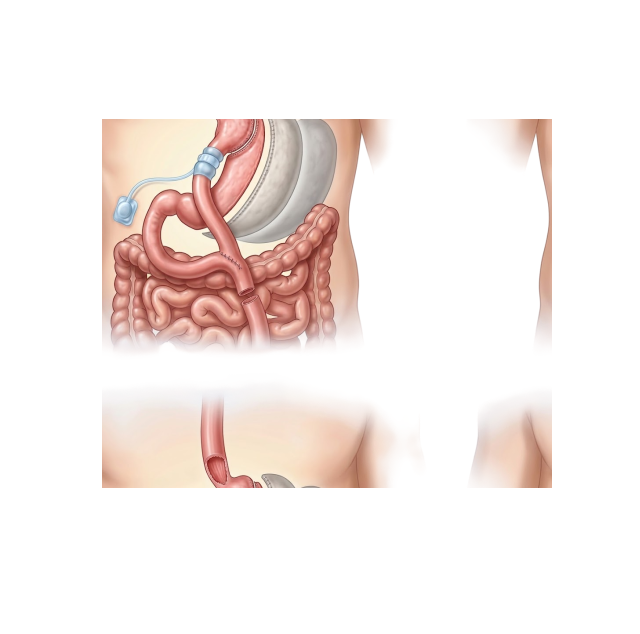
Bariatric Surgery refers to a group of surgical procedures that help individuals lose weight by modifying the digestive system. These procedures work by reducing stomach capacity, limiting food intake, altering nutrient absorption, or a combination of both. As a result, patients feel full sooner, consume fewer calories, and experience significant weight loss over time.
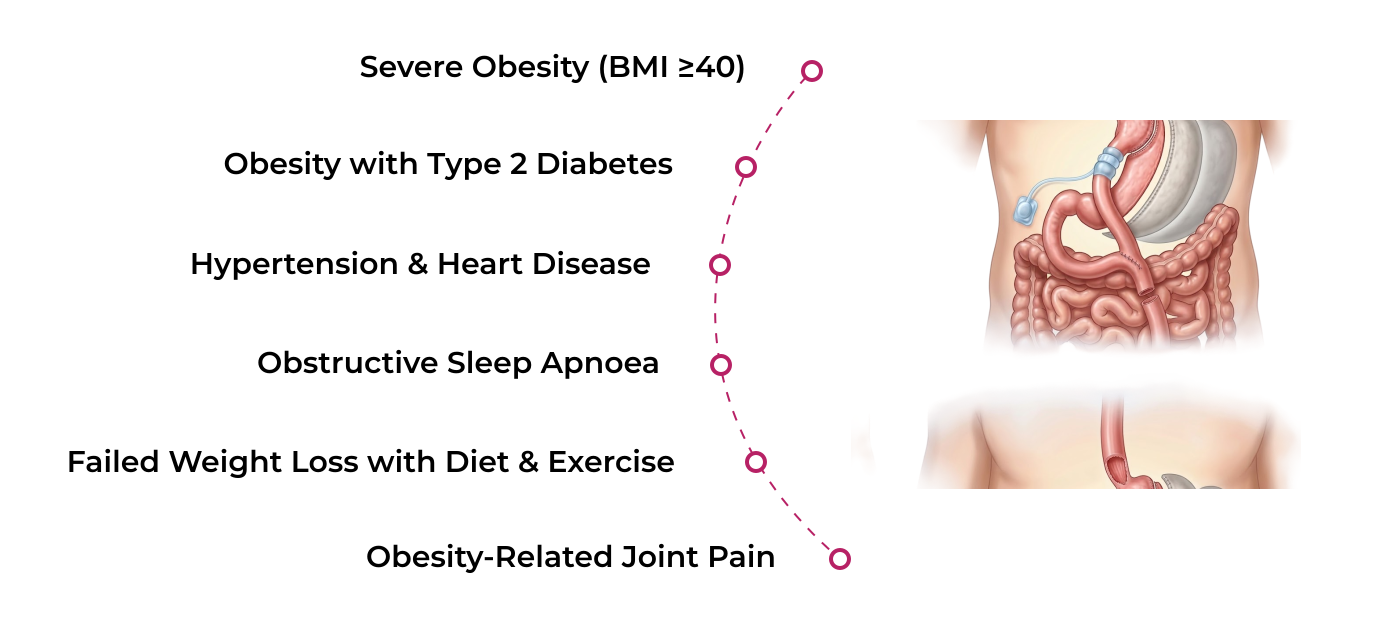
Bariatric Surgery is generally recommended for individuals with severe obesity or those who have obesity-related medical conditions that affect their health and daily life. In addition to weight reduction, bariatric procedures can improve or even resolve conditions such as type 2 diabetes, hypertension, fatty liver disease, joint pain, and obstructive sleep apnoea.
Types of Bariatric Surgery
Sleeve Gastrectomy
One of the most commonly performed weight loss procedures, sleeve gastrectomy involves removing a portion of the stomach to reduce food intake and appetite.
Gastric Bypass Surgery
This procedure creates a smaller stomach pouch and reroutes part of the digestive tract to reduce calorie absorption and support significant weight loss.
Mini Gastric Bypass
A simplified variation of gastric bypass surgery that provides effective weight loss and metabolic benefits through a less complex surgical approach.
Adjustable Gastric Band Surgery
A silicone band is placed around the upper part of the stomach to limit food intake and promote gradual weight loss.
Revision Bariatric Surgery
This procedure is performed for patients who require correction or modification of a previous bariatric surgery due to inadequate weight loss or complications.
Metabolic Surgery
Specialised procedures aimed at improving obesity-related metabolic disorders, particularly type 2 diabetes and insulin resistance.
Conditions Treated with Bariatric Surgery
Bariatric Surgery Procedure: What Happens During Treatment?
Benefits of Bariatric Surgery
Bariatric Surgery offers far more than weight loss. It can significantly improve overall health, reduce obesity-related risks, and enhance quality of life.
- Significant and sustainable weight loss
- Improved control of type 2 diabetes
- Reduction in high blood pressure
- Better sleep quality and reduced sleep apnoea symptoms
- Improved mobility and physical activity levels
- Reduced risk of heart disease and stroke
- Relief from obesity-related joint pain
- Enhanced self-confidence and emotional wellbeing
- Improved overall quality of life
- Long-term health benefits through weight management
Why Choose Ujala Cygnus Hospitals for Bariatric Surgery?

Experienced Bariatric and Metabolic Surgeons
Our highly skilled specialists have extensive experience in performing advanced weight loss and metabolic procedures using evidence-based surgical techniques.

Advanced Minimally Invasive Technology
We utilise modern laparoscopic surgical technology to minimise discomfort, reduce recovery time, and improve treatment outcomes.

Multidisciplinary Obesity Care Team
Patients benefit from coordinated care provided by surgeons, nutritionists, physicians, physiotherapists, and mental health professionals.

Comprehensive Long-Term Support
Successful weight loss requires ongoing care. We provide continuous follow-up, nutritional guidance, and lifestyle support to help patients maintain lasting results.

Possible Risks and Complications of Bariatric Surgery and How They Are Managed
Like all surgical procedures, Bariatric Surgery involves certain risks. However, careful patient selection, experienced surgical teams, and comprehensive follow-up care help minimise complications.
Short-Term Risks
Bleeding
Minor bleeding may occur during or after surgery and is closely monitored by the healthcare team.
Infection
Surgical site infections are uncommon and can typically be treated effectively with medication and appropriate care.
Nausea and Vomiting
Some patients may experience temporary digestive discomfort while adapting to dietary changes after surgery.
Blood Clots
Rarely, blood clots can develop following surgery, which is why preventive measures are implemented during recovery.
Anaesthesia-Related Risks
Potential complications related to anaesthesia are minimised through thorough pre-operative assessment.
Long-Term Risks
Nutritional Deficiencies
Patients may require lifelong vitamin and mineral supplementation to prevent deficiencies.
Weight Regain
Weight regain may occur if dietary and lifestyle recommendations are not consistently followed.
Gastrointestinal Symptoms
Some patients may experience reflux, digestive discomfort, or food intolerance depending on the procedure performed.
Internal Hernias or Obstruction
Rare complications involving the digestive tract may require medical evaluation.
Psychological Adjustment Challenges
Significant lifestyle changes may affect emotional wellbeing and require ongoing support.
Managing and Reducing Risks
Comprehensive Patient Evaluation
Detailed screening helps identify suitable candidates and optimise surgical outcomes.
Expert Surgical Care
Experienced bariatric surgeons utilise proven techniques to enhance safety and effectiveness.
Nutritional Monitoring
Regular nutritional assessments help prevent deficiencies and support long-term health.
Lifelong Follow-Up Support
Continuous monitoring, counselling, and lifestyle guidance help patients maintain weight loss and overall wellbeing.
Recovery and Support During Bariatric Surgery
Successful recovery depends on commitment to dietary guidelines, physical activity, and regular follow-up care.
Diet and Nutrition
Patients follow a structured dietary progression from liquids to soft foods and eventually balanced meals. Nutritional counselling helps ensure adequate protein, vitamins, and minerals.
Exercise and Physical Activity
Gradual physical activity plays an essential role in recovery and long-term weight management. Walking and low-impact exercises are encouraged early in the recovery process.
Mental Health and Emotional Wellbeing
Weight loss surgery can bring significant lifestyle changes. Emotional support and behavioural counselling may help patients adapt successfully to their new routines.
Follow-Up Care and Recovery
Regular follow-up appointments allow healthcare providers to monitor weight loss progress, nutritional status, and overall health while providing guidance for long-term success.
Patient Stories
Hip Replacement by
Dr. Indranil Halder

LNICU by
Dr. Rajeev Kumar

CKD Diabetes
CKD Diabetes

Knee Replacement by
Knee Replacement

TNBC Survivor by
Dr. Abid Lone
Spine Surgery by
Dr. Saurabh Kumar Sinha

Brain Surgery by
Dr. Saurabh Kumar Sinha
Hip Replacement by
Dr. Indranil Halder
NICU by
Dr. Rajeev Kumar
CKD Diabetes
CKD Diabetes
Knee Replacement by
Knee Replacement
TNBC Survivor by
Dr. Abid Lone
Spine Surgery by
Dr. Saurabh Kumar Sinha
Brain Surgery by
Dr. Saurabh Kumar Sinha
Latest Blogs








Frequently Asked Questions
What is Bariatric Surgery?
Bariatric Surgery refers to a range of weight loss procedures that help individuals reduce body weight by modifying the digestive system and improving metabolic health.
Who is eligible for Bariatric Surgery?
Eligibility depends on factors such as Body Mass Index (BMI), obesity-related medical conditions, previous weight loss attempts, and overall health status.
How much weight can I lose after Bariatric Surgery?
Weight loss varies depending on the procedure performed, patient commitment, dietary habits, and lifestyle changes. Many patients achieve substantial long-term weight reduction.
Is Bariatric Surgery safe?
Bariatric Surgery is generally considered safe when performed by experienced surgeons in appropriate medical settings with comprehensive follow-up care.
Can Bariatric Surgery cure diabetes?
Many patients experience significant improvement or remission of type 2 diabetes following bariatric surgery, although outcomes vary among individuals.
How long does recovery take after Bariatric Surgery?
Most patients can resume light daily activities within a few weeks, while complete recovery and adaptation to lifestyle changes may take several months.