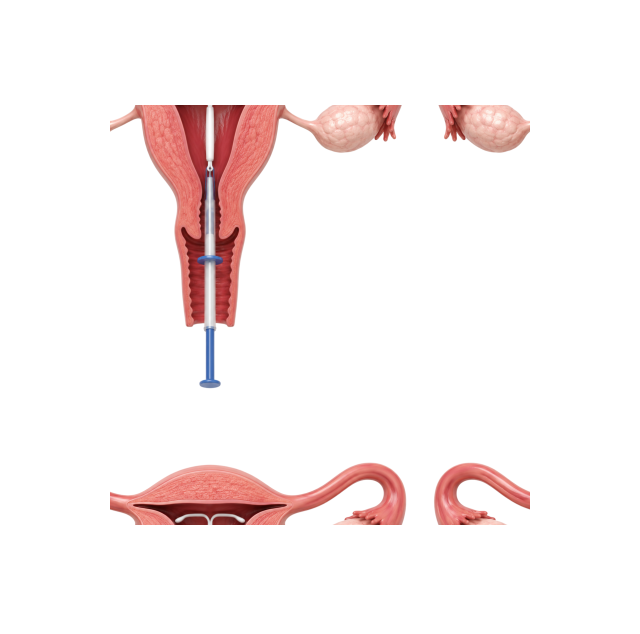
Advanced Bladder Neck Incision (BNI) Treatment at Ujala Cygnus Hospitals
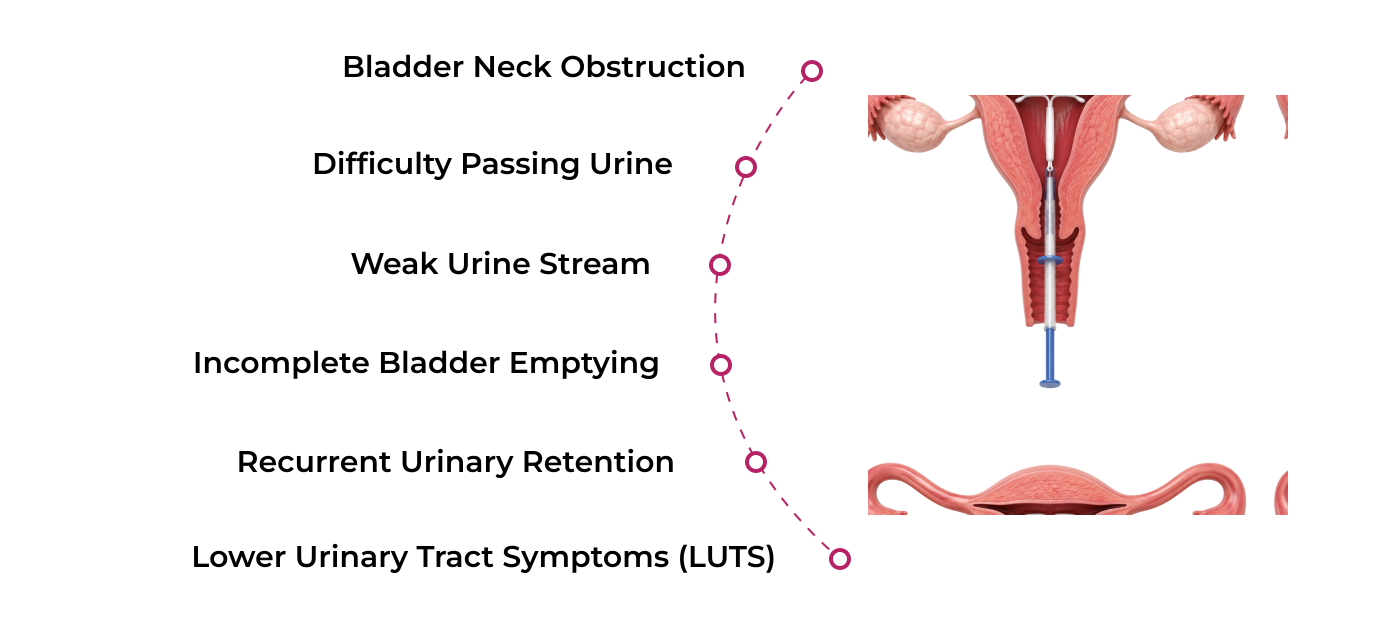
At Ujala Cygnus Hospitals, we offer specialised diagnosis and treatment for bladder neck obstruction through advanced Bladder Neck Incision (BNI) procedures. The bladder neck is the area where the bladder connects to the urethra. When this opening becomes narrow or fails to open properly during urination, it can cause difficulty passing urine, weak urine flow, incomplete bladder emptying, and frequent urinary symptoms.
Bladder neck obstruction can affect both younger and older men and may significantly impact quality of life if left untreated. Patients often experience urinary hesitancy, straining during urination, interrupted urine flow, and recurrent urinary tract infections. In some cases, prolonged obstruction may lead to bladder dysfunction and kidney-related complications.
Our urology specialists use advanced diagnostic evaluations and minimally invasive surgical techniques to accurately diagnose the condition and provide personalised treatment. Bladder Neck Incision is a safe and effective procedure that helps improve urinary function while preserving surrounding tissues.
What is Bladder Neck Incision (BNI)?
Bladder Neck Incision (BNI) is a minimally invasive endoscopic surgery performed to widen the bladder neck and improve urine flow. The procedure involves making one or more small incisions in the bladder neck using specialised surgical instruments inserted through the urethra.
Unlike traditional open surgery, BNI does not require external cuts or large incisions. By relieving the obstruction at the bladder outlet, the procedure allows urine to pass more freely and helps reduce symptoms associated with bladder neck narrowing. BNI is commonly recommended for patients with primary bladder neck obstruction who have not experienced sufficient improvement with medications or conservative treatments.
Types of Bladder Neck Incision Procedures
Unilateral Bladder Neck Incision
A single incision is made at the bladder neck to improve urinary flow while minimising disruption to surrounding tissues.
Bilateral Bladder Neck Incision
Two incisions are created to provide a wider opening in patients with more significant bladder neck obstruction.
Endoscopic Bladder Neck Incision
A minimally invasive procedure performed through a cystoscope without any external surgical cuts.
Laser Bladder Neck Incision
Advanced laser technology may be used to make precise incisions with reduced bleeding and improved tissue preservation.
Transurethral Bladder Neck Incision
The most commonly performed technique in which specialised instruments are inserted through the urethra to access the bladder neck.
Revision Bladder Neck Incision
Performed for patients who experience recurrent obstruction or persistent symptoms following previous treatment.
Conditions Treated with Bladder Neck Incision
Bladder Neck Incision Procedure: What Happens During Treatment?
Benefits of Arthroscopy Surgery
Bladder Neck Incision offers effective symptom relief for patients suffering from bladder outlet obstruction and urinary difficulties.
- Improves urinary flow and bladder emptying
- Relieves bladder neck obstruction effectively
- Reduces urinary hesitancy and straining
- Minimally invasive procedure with no external cuts
- Short hospital stay and faster recovery
- Helps prevent recurrent urinary retention
- Reduces the risk of urinary tract infections
- Preserves bladder function and urinary health
- Improves quality of life and daily comfort
Why Choose Ujala Cygnus Hospitals for Bladder Neck Incision?

Experienced Urology Specialists
Our skilled urologists have extensive experience in diagnosing and treating bladder outlet obstruction using advanced minimally invasive techniques.

Advanced Endoscopic Technology
We utilise modern cystoscopic and endoscopic equipment to perform precise and effective bladder neck procedures.

Personalised Patient Care
Each treatment plan is tailored to the patient's symptoms, medical history, and long-term urinary health goals.

Comprehensive Urology Services
From diagnosis and surgery to rehabilitation and follow-up care, we provide complete urological treatment under one roof.
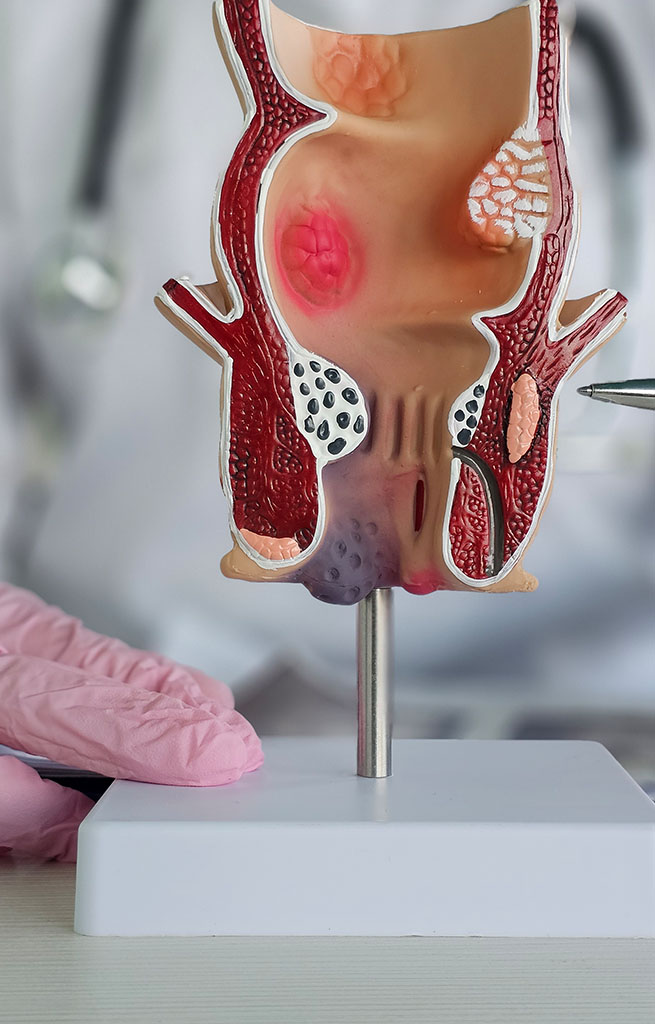
Possible Risks and Complications of Bladder Neck Incision and How They Are Managed
Like all surgical procedures, BNI carries certain risks, although serious complications are uncommon when performed by experienced specialists.
Short-Term Risks
Mild Bleeding
Some blood in the urine may occur temporarily after the procedure and generally resolves on its own.
Urinary Discomfort
Patients may experience temporary burning or discomfort while urinating during the initial recovery period.
Urinary Tract Infection
A small risk of infection exists, which can usually be managed with appropriate medications.
Temporary Difficulty Urinating
Some patients may require short-term catheterisation following the procedure.
Anaesthesia-Related Risks
Rare complications associated with anaesthesia are minimised through careful pre-operative assessment.
Long-Term Risks
Recurrence of Obstruction
A small number of patients may develop recurrent narrowing of the bladder neck over time.
Retrograde Ejaculation
Some men may experience semen flowing backwards into the bladder during ejaculation following surgery.
Persistent Urinary Symptoms
Rarely, certain urinary symptoms may continue despite successful treatment.
Scar Tissue Formation
Scar tissue may occasionally develop and contribute to recurrent obstruction.
Need for Additional Treatment
A minority of patients may require further procedures if symptoms return.
Managing and Reducing Risks
Thorough Diagnostic Assessment
Comprehensive evaluation helps ensure the correct diagnosis and treatment approach.
Experienced Surgical Team
Specialist urologists use evidence-based techniques to maximise safety and effectiveness.
Advanced Surgical Technology
Modern endoscopic equipment improves precision and reduces tissue trauma.
Regular Follow-Up Care
Scheduled reviews help monitor recovery and identify any concerns at an early stage.
Recovery and Support After Bladder Neck Incision
Recovery following Bladder Neck Incision is generally quick, with most patients returning to normal activities within a short period.
Diet and Hydration
Patients are encouraged to drink plenty of fluids after the procedure to support healing and help flush the urinary system.
Activity and Physical Recovery
Light activities can usually be resumed within a few days, although strenuous exercise and heavy lifting should be avoided temporarily.
Emotional Wellbeing and Confidence
Relief from troublesome urinary symptoms often leads to improved comfort, confidence, and overall quality of life.
Follow-Up and Long-Term Monitoring
Regular follow-up appointments help ensure successful recovery and assess long-term urinary function.
Patient Stories

Hip Replacement by
Dr. Indranil Halder

LNICU by
Dr. Rajeev Kumar

CKD Diabetes
CKD Diabetes

Knee Replacement by
Knee Replacement

TNBC Survivor by
Dr. Abid Lone

Spine Surgery by
Dr. Saurabh Kumar Sinha

Brain Surgery by
Dr. Saurabh Kumar Sinha
Hip Replacement by
Dr. Indranil Halder
NICU by
Dr. Rajeev Kumar
CKD Diabetes
CKD Diabetes
Knee Replacement by
Knee Replacement
TNBC Survivor by
Dr. Abid Lone
Spine Surgery by
Dr. Saurabh Kumar Sinha
Brain Surgery by
Dr. Saurabh Kumar Sinha
Latest Blogs








Frequently Asked Questions
What is Bladder Neck Incision (BNI)?
Bladder Neck Incision is a minimally invasive surgical procedure used to widen the bladder neck and improve urine flow in patients with bladder neck obstruction.
Who needs a Bladder Neck Incision?
The procedure is commonly recommended for patients experiencing urinary flow problems caused by primary bladder neck obstruction that has not improved with medication.
Is BNI a major surgery?
No. BNI is generally considered a minimally invasive endoscopic procedure performed without external incisions.
How long does recovery take after Bladder Neck Incision?
Most patients recover quickly and can return to normal daily activities within a few days to a few weeks, depending on individual healing.
What are the benefits of Bladder Neck Incision?
The procedure improves urine flow, relieves urinary obstruction, reduces urinary symptoms, and enhances overall quality of life.
Can bladder neck obstruction return after treatment?
Although Bladder Neck Incision provides long-lasting relief for many patients, recurrence can occur in some cases and may require further evaluation or treatment.