Advanced Hernia Repair Surgery at Ujala Cygnus Hospitals
At Ujala Cygnus Hospitals, we offer comprehensive hernia diagnosis and treatment for patients experiencing abdominal wall weakness, groin swelling, discomfort, or recurrent hernias. A hernia can develop in different parts of the body and often worsens over time if not treated appropriately. Early intervention can help prevent complications and improve quality of life.
Our general surgery specialists conduct thorough clinical evaluations and diagnostic investigations to determine the type, size, and severity of the hernia. Depending on the patient's condition, we may recommend open hernia repair or laparoscopic hernia surgery to achieve the best possible outcome.
Using modern surgical techniques, advanced equipment, and personalised recovery plans, our team focuses on repairing the weakened tissue, relieving symptoms, reducing recurrence risk, and helping patients return to their daily routines safely and comfortably.
What is Hernia Repair Surgery?
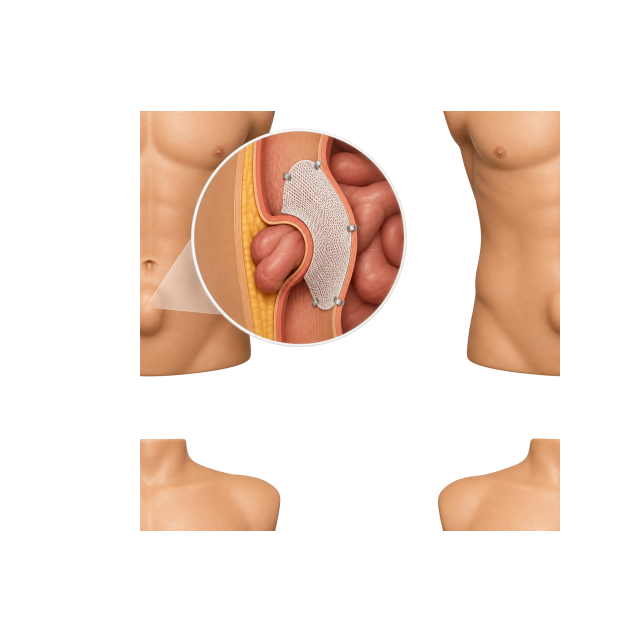
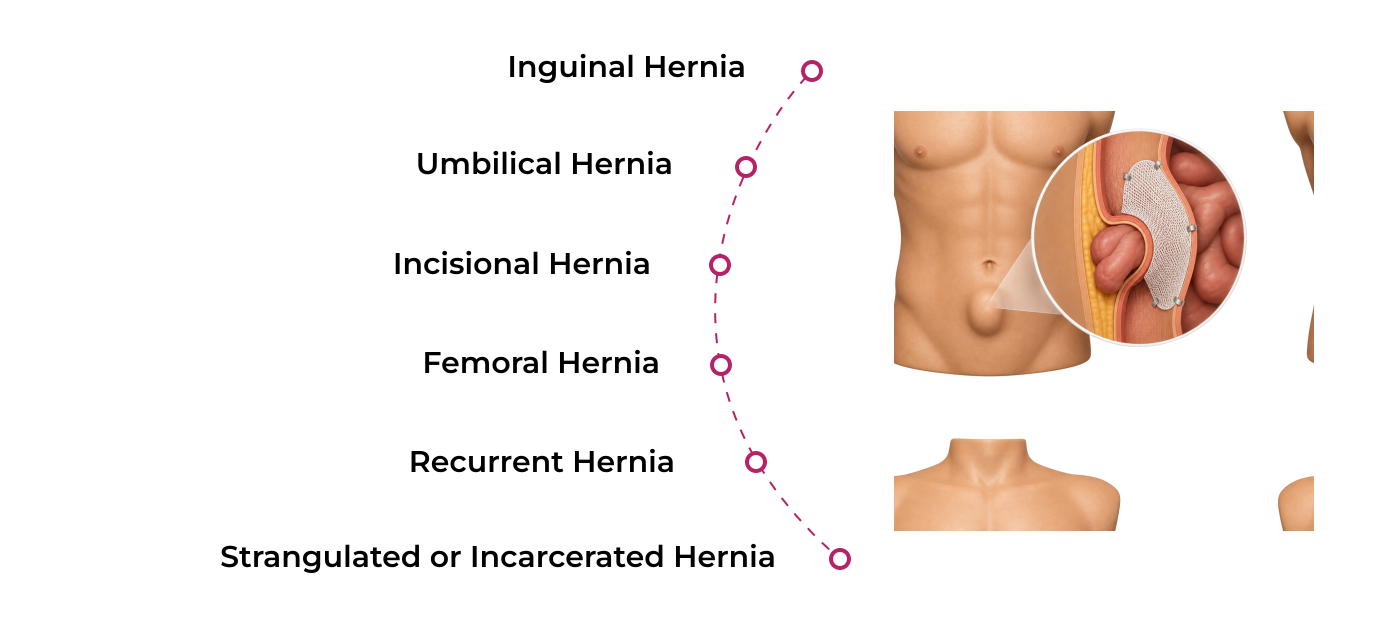
Hernia Repair Surgery is a procedure performed to correct a hernia by repositioning the protruding tissue or organ and strengthening the weakened muscle wall. In many cases, a surgical mesh is used to reinforce the area and reduce the risk of the hernia returning in the future.
A hernia does not heal on its own and may gradually increase in size over time. Surgical repair is often recommended when a hernia causes pain, limits daily activities, enlarges progressively, or creates a risk of complications such as obstruction or strangulation. Hernia surgery is one of the most commonly performed general surgical procedures and offers excellent long-term results when performed by experienced specialists.
Types of Hernia Repair Surgery
Open Hernia Repair
This traditional surgical technique involves making an incision over the hernia site to repair the defect and strengthen the weakened tissue.
Laparoscopic Hernia Repair
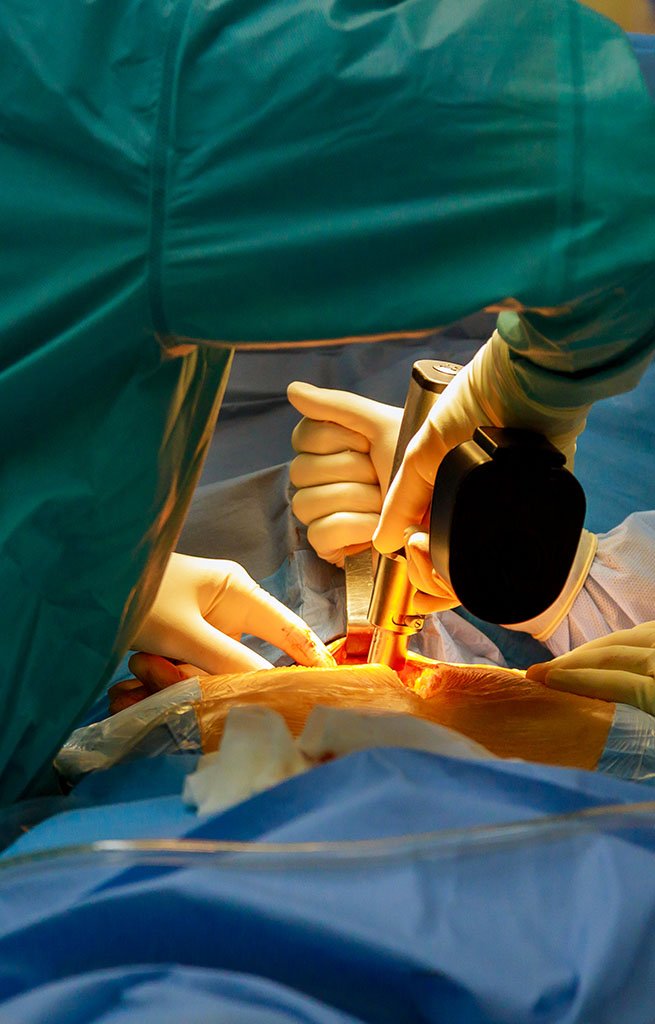
A minimally invasive procedure performed through small incisions using a camera and specialised instruments, resulting in reduced pain and faster recovery.
Mesh Hernia Repair
A surgical mesh is placed over the weakened area to provide additional support and reduce the likelihood of recurrence.
Non-Mesh Hernia Repair
In selected cases, the surgeon may repair the hernia using the patient's own tissue without the use of synthetic mesh.
Robotic Hernia Repair
An advanced minimally invasive technique that allows enhanced surgical precision and may be recommended for certain complex hernia cases.
Recurrent Hernia Repair
Specialised surgery performed when a previously repaired hernia returns and requires further treatment.
Conditions Treated with Hernia Repair Surgery
Hernia Repair Procedure: What Happens During Treatment?
Benefits of Hernia Repair Surgery
Hernia Repair Surgery provides effective and long-lasting relief for patients experiencing discomfort, swelling, or complications associated with hernias.
- Relieves pain and discomfort caused by the hernia
- Repairs weakened abdominal wall tissues
- Prevents hernia enlargement and complications
- Reduces the risk of bowel obstruction or strangulation
- Improves physical comfort and mobility
- Supports a faster return to normal daily activities
- Offers durable and long-term treatment outcomes
- Reduces the likelihood of hernia recurrence with mesh reinforcement
- Improves overall quality of life and confidence
Why Choose Ujala Cygnus Hospitals for Hernia Repair Surgery?

Experienced General Surgeons
Our highly skilled surgeons have extensive experience in performing both routine and complex hernia repair procedures using modern surgical techniques.

Advanced Minimally Invasive Technology
We offer laparoscopic and advanced surgical options that can help minimise discomfort, reduce hospital stay, and support faster recovery.

Personalised Patient Care
Every patient receives an individualised treatment plan tailored to their hernia type, symptoms, medical history, and recovery goals.

Comprehensive Surgical and Recovery Support
From diagnosis and surgery to rehabilitation and follow-up care, our multidisciplinary team provides continuous support throughout the treatment journey.
Possible Risks and Complications of Hernia Repair Surgery and How They Are Managed
Like any surgical procedure, Hernia Repair Surgery carries certain risks. However, careful planning, modern surgical techniques, and proper post-operative care help minimise these risks.
Short-Term Risks
Pain and Swelling
Temporary discomfort and swelling around the surgical site are common and usually improve during recovery.
Infection
Although uncommon, infections may occur and are typically managed with antibiotics and wound care.
Bleeding
Minor bleeding can occur during or after surgery and is carefully monitored by the medical team.
Fluid Collection
Some patients may develop a small fluid collection near the surgical site, which often resolves naturally.
Anaesthesia-Related Risks
Rare complications related to anaesthesia are minimised through thorough pre-operative evaluation.
Long-Term Risks
Hernia Recurrence
In some cases, the hernia may return despite successful surgical repair.
Chronic Groin or Abdominal Pain
A small number of patients may experience persistent discomfort after surgery.
Mesh-Related Complications
Rarely, mesh materials may cause irritation or require further medical assessment.
Scar Tissue Formation
Internal scar tissue can occasionally develop following surgery.
Nerve Irritation
Temporary or persistent nerve-related symptoms may occur in a small percentage of patients.
Managing and Reducing Risks
Comprehensive Pre-Surgical Assessment
Careful evaluation helps identify individual risk factors and optimise surgical planning.
Experienced Surgical Team
Skilled surgeons use evidence-based techniques to improve outcomes and reduce complications.
Post-Operative Care and Monitoring
Close follow-up helps identify concerns early and supports smooth recovery.
Lifestyle and Activity Guidance
Patients receive guidance regarding lifting restrictions, physical activity, and recovery precautions.
Recovery and Support During Hernia Repair Surgery
Recovery time varies depending on the type of hernia, surgical technique used, and individual health factors. Most patients can gradually resume normal activities within a few weeks.
Diet and Nutrition
A healthy diet rich in protein, fibre, vitamins, and fluids supports healing and helps prevent constipation, which can place strain on the surgical repair.
Exercise and Physical Activity
Light walking is encouraged after surgery to improve circulation. More strenuous activities and heavy lifting should only be resumed as advised by the surgeon.
Mental Health and Emotional Wellbeing
Patients may feel anxious before surgery or during recovery. Education, reassurance, and support from healthcare professionals can help improve confidence and overall wellbeing.
Follow-Up Care and Recovery
Regular follow-up visits allow the surgical team to monitor healing, assess recovery progress, and provide guidance on safely returning to normal activities.
Patient Stories
Hip Replacement by
Dr. Indranil Halder

LNICU by
Dr. Rajeev Kumar

CKD Diabetes
CKD Diabetes
Knee Replacement by
Knee Replacement
TNBC Survivor by
Dr. Abid Lone

Spine Surgery by
Dr. Saurabh Kumar Sinha
Brain Surgery by
Dr. Saurabh Kumar Sinha
Hip Replacement by
Dr. Indranil Halder
NICU by
Dr. Rajeev Kumar
CKD Diabetes
CKD Diabetes
Knee Replacement by
Knee Replacement
TNBC Survivor by
Dr. Abid Lone
Spine Surgery by
Dr. Saurabh Kumar Sinha
Brain Surgery by
Dr. Saurabh Kumar Sinha
Latest Blogs







Frequently Asked Questions
What is Hernia Repair Surgery?
Hernia Repair Surgery is a procedure used to correct a hernia by returning the protruding tissue to its proper position and strengthening the weakened muscle wall.
Is hernia surgery necessary for all hernias?
Not all hernias require immediate surgery, but many eventually need repair if symptoms worsen, the hernia enlarges, or complications develop.
What is the difference between open and laparoscopic hernia repair?
Open surgery involves a larger incision, while laparoscopic surgery uses small incisions and specialised instruments, often resulting in quicker recovery and less discomfort.
How long does it take to recover from Hernia Repair Surgery?
Most patients can resume light daily activities within a few days to weeks, although complete recovery may take several weeks depending on the procedure performed.
Can a hernia come back after surgery?
While modern techniques significantly reduce recurrence rates, there remains a small possibility that a hernia may return in the future.
When should I seek treatment for a hernia?
You should consult a surgeon if you notice a lump, swelling, discomfort, pain, or symptoms that worsen with physical activity or straining.