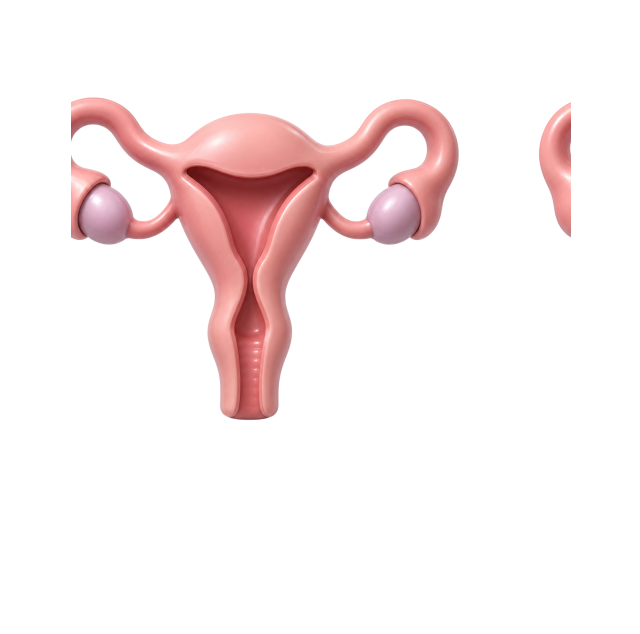
Abdominal Myomectomy Surgery
Abdominal Myomectomy is a specialised gynaecological surgery performed to remove uterine fibroids (non-cancerous growths in the uterus) while preserving the uterus. It is often recommended for women experiencing heavy menstrual bleeding, pelvic pain, infertility, recurrent pregnancy loss, or pressure symptoms caused by fibroids. At Ujala Cygnus Hospitals, our experienced gynaecologists and minimally invasive surgery specialists provide advanced Abdominal Myomectomy treatment to help women achieve symptom relief while maintaining their fertility and reproductive health.
Advanced Abdominal Myomectomy Treatment at Ujala Cygnus Hospitals
At Ujala Cygnus Hospitals, we offer comprehensive diagnosis and treatment for women affected by uterine fibroids. Fibroids are one of the most common gynaecological conditions and can significantly impact a woman's quality of life. Depending on their size, location, and number, fibroids may cause heavy periods, pelvic discomfort, frequent urination, abdominal bloating, fertility challenges, and pregnancy complications.
Abdominal Myomectomy is considered one of the most effective fertility-preserving surgical options for women who wish to remove fibroids without undergoing a hysterectomy. Our specialists conduct detailed evaluations using ultrasound scans, MRI imaging, and clinical assessments to determine the most suitable treatment approach.
Using modern surgical techniques and personalised care plans, our team focuses on removing fibroids safely while preserving the uterus and improving long-term reproductive outcomes.
What is Abdominal Myomectomy?
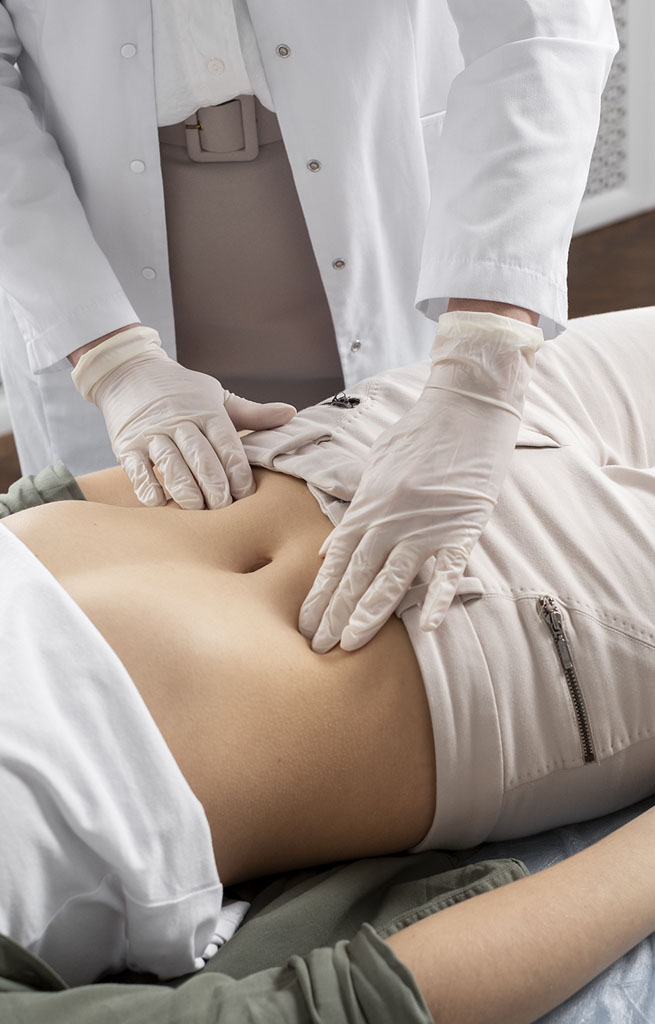
Abdominal Myomectomy is a surgical procedure that removes fibroids from the uterus through an incision made in the lower abdomen. Unlike a hysterectomy, which involves removal of the uterus, an abdominal myomectomy allows women to retain their uterus and maintain the possibility of future pregnancy.
The procedure is commonly recommended for women with large fibroids, multiple fibroids, severe symptoms, or fertility concerns. During surgery, the fibroids are carefully removed, and the uterine wall is repaired to restore its structure and function. Abdominal Myomectomy can significantly reduce symptoms while helping preserve reproductive health.
Types of Myomectomy Procedures
Abdominal Myomectomy
A traditional surgical approach involving an abdominal incision to remove large or multiple fibroids while preserving the uterus.
Laparoscopic Myomectomy
A minimally invasive procedure performed through small incisions using specialised instruments and a camera.
Robotic-Assisted Myomectomy
An advanced surgical technique that uses robotic technology for enhanced precision and reduced tissue trauma.
Hysteroscopic Myomectomy
A procedure used to remove fibroids located inside the uterine cavity through the vagina and cervix without external incisions.
Fertility-Preserving Myomectomy
A treatment approach specifically focused on maintaining uterine function and improving future pregnancy outcomes.
Repeat Myomectomy
Performed for women who develop new fibroids after a previous fibroid removal surgery.
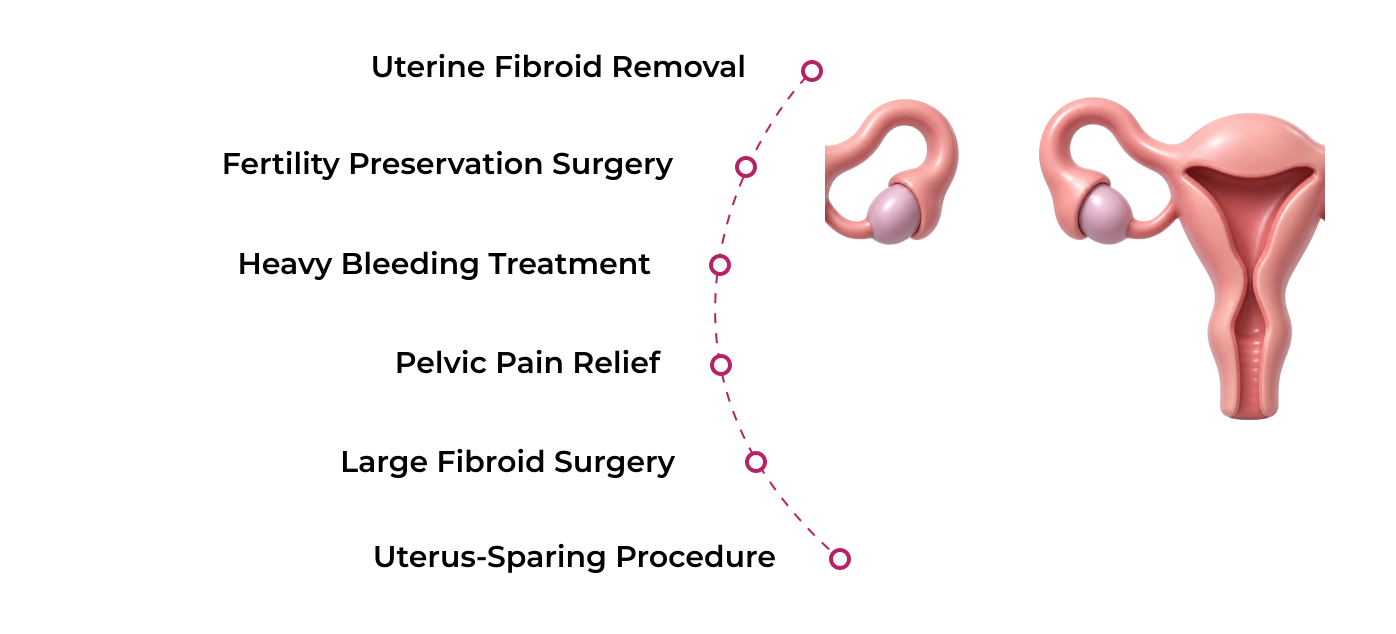
Conditions Treated with Abdominal Myomectomy
Abdominal Myomectomy Procedure: What Happens During Treatment?
Benefits of Abdominal Myomectomy
Abdominal Myomectomy provides effective symptom relief while preserving the uterus, making it an important treatment option for women with symptomatic fibroids.
- Removes large and multiple uterine fibroids
- Preserves the uterus and fertility potential
- Reduces heavy menstrual bleeding
- Relieves pelvic pain and pressure
- Improves quality of life and daily comfort
- Enhances reproductive and pregnancy outcomes
- Helps improve bladder and bowel symptoms
- Preserves hormonal function and reproductive health
- Provides long-term relief from fibroid-related symptoms
Why Choose Ujala Cygnus Hospitals for Abdominal Myomectomy?

Experienced Gynaecology Specialists
Our skilled gynaecologists and women's health experts have extensive experience in managing complex fibroid conditions and fertility-preserving surgeries.

Advanced Diagnostic Facilities
We utilise modern imaging technologies and comprehensive diagnostic evaluations to accurately assess fibroid size, location, and treatment requirements.

Personalised Women's Healthcare
Every patient receives a customised treatment plan based on her symptoms, fertility goals, age, and overall health condition.

Comprehensive Recovery Support
From pre-operative counselling to post-surgical rehabilitation, our team provides continuous support throughout every stage of treatment.
Possible Risks and Complications of Abdominal Myomectomy and How They Are Managed
Like all surgical procedures, Abdominal Myomectomy carries certain risks. However, expert surgical care and careful planning help minimise complications.
Short-Term Risks
Bleeding
Fibroid surgery may involve blood loss, which is carefully monitored and managed during the procedure.
Infection
Infections at the surgical site are uncommon and can usually be treated effectively with antibiotics.
Pain and Discomfort
Temporary abdominal pain and soreness are expected after surgery and improve gradually during recovery.
Blood Clot Formation
Rarely, blood clots may develop after surgery, particularly during prolonged periods of inactivity.
Anaesthesia-Related Complications
Minor complications related to anaesthesia may occur but are minimised through thorough pre-operative evaluation.
Long-Term Risks
Fibroid Recurrence
New fibroids may develop in the future, particularly in younger women.
Scar Tissue Formation
Internal scar tissue may occasionally develop and affect pelvic organs or fertility.
Future Pregnancy Considerations
Some women may require a caesarean section during future pregnancies depending on the extent of uterine repair.
Adhesion Formation
Adhesions may occur after surgery and can occasionally contribute to pelvic discomfort.
Fertility Challenges
Although the procedure is fertility-preserving, underlying reproductive factors may still affect conception.
Managing and Reducing Risks
Comprehensive Pre-Surgical Evaluation
Detailed imaging and assessment help surgeons plan the safest and most effective treatment approach.
Experienced Surgical Team
Specialist gynaecologists use evidence-based techniques to improve safety and preserve reproductive function.
Careful Post-Operative Monitoring
Regular follow-up appointments support healing and early identification of any concerns.
Individualised Recovery Planning
Patients receive personalised guidance regarding physical activity, fertility planning, and long-term gynaecological care.
Recovery and Support Following Abdominal Myomectomy
Recovery after Abdominal Myomectomy varies depending on the number and size of fibroids removed, overall health, and individual healing rates.
Diet and Nutrition
A balanced diet rich in protein, iron, vitamins, and essential nutrients supports healing and recovery after surgery.
Physical Activity and Rehabilitation
Gentle movement is encouraged during recovery, while strenuous activities and heavy lifting should be avoided until cleared by the surgeon.
Emotional Wellbeing and Fertility Support
Women undergoing fibroid surgery may have concerns regarding fertility and future pregnancies. Our healthcare team provides counselling and ongoing support throughout recovery.
Follow-Up Care and Long-Term Monitoring
Regular follow-up appointments help monitor healing, evaluate symptom improvement, and support long-term reproductive health.
Patient Stories
Hip Replacement by
Dr. Indranil Halder
LNICU by
Dr. Rajeev Kumar

CKD Diabetes
CKD Diabetes

Knee Replacement by
Knee Replacement
TNBC Survivor by
Dr. Abid Lone
Spine Surgery by
Dr. Saurabh Kumar Sinha
Brain Surgery by
Dr. Saurabh Kumar Sinha
Hip Replacement by
Dr. Indranil Halder
NICU by
Dr. Rajeev Kumar
CKD Diabetes
CKD Diabetes
Knee Replacement by
Knee Replacement
TNBC Survivor by
Dr. Abid Lone
Spine Surgery by
Dr. Saurabh Kumar Sinha
Brain Surgery by
Dr. Saurabh Kumar Sinha
Latest Blogs





Frequently Asked Questions
What is Abdominal Myomectomy?
Abdominal Myomectomy is a surgical procedure used to remove uterine fibroids while preserving the uterus and maintaining future fertility potential.
Who is a suitable candidate for Abdominal Myomectomy?
Women with large fibroids, multiple fibroids, heavy menstrual bleeding, pelvic pain, infertility, or pregnancy-related concerns may be suitable candidates.
Can I get pregnant after Abdominal Myomectomy?
Many women successfully conceive after myomectomy. The procedure is often performed to improve fertility and reproductive outcomes.
How long does recovery take after Abdominal Myomectomy?
Most patients require several weeks for initial recovery, although complete healing may take longer depending on the extent of surgery.
Will fibroids come back after myomectomy?
While existing fibroids are removed, new fibroids may develop in the future, particularly in younger women.
What are the benefits of Abdominal Myomectomy compared to hysterectomy?
Abdominal Myomectomy removes fibroids while preserving the uterus, making it an ideal option for women who wish to retain fertility and reproductive function.