AV Fistula Closure Surgery
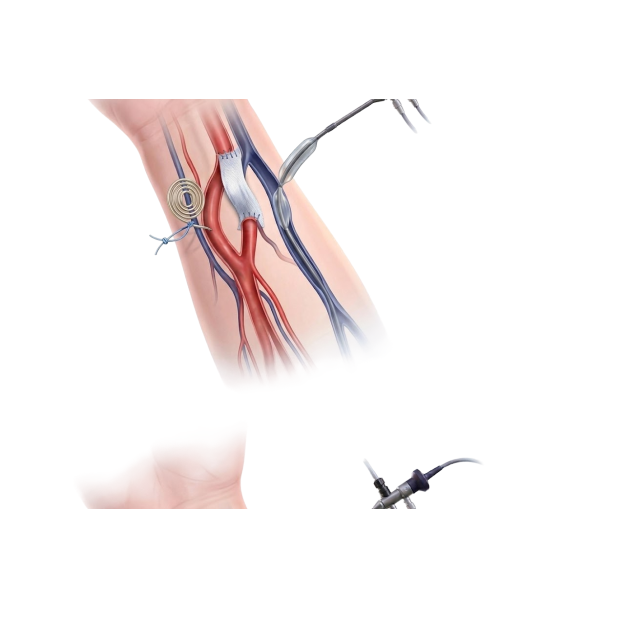
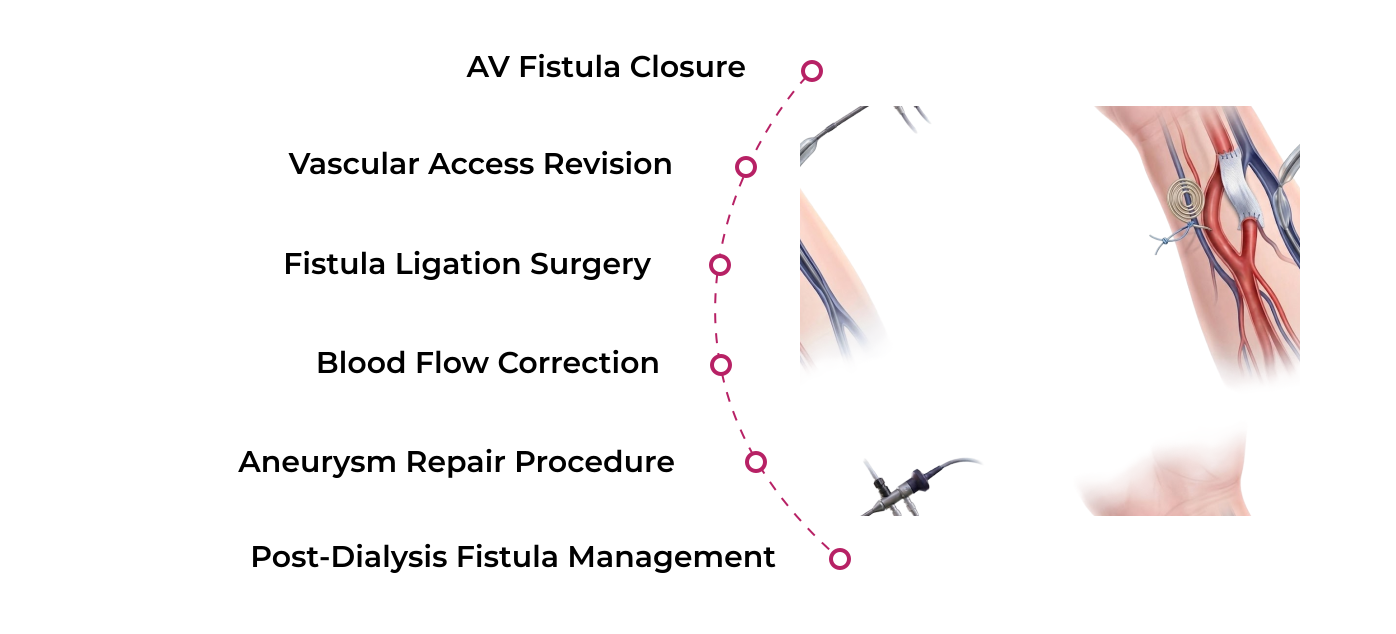
AV Fistula Closure is a specialised vascular procedure performed to close an arteriovenous (AV) fistula when it is no longer required or is causing complications. An AV fistula is a surgically created connection between an artery and a vein, commonly used for haemodialysis in patients with kidney disease. Once a patient receives a successful kidney transplant or when the fistula causes discomfort, swelling, infection, or circulation problems, closure may be recommended. At Ujala Cygnus Hospitals, our experienced vascular surgeons provide advanced AV Fistula Closure treatment to help restore normal blood flow and improve patient comfort and quality of life.
Advanced AV Fistula Closure Treatment at Ujala Cygnus Hospitals
At Ujala Cygnus Hospitals, we offer comprehensive AV Fistula Closure procedures for patients who no longer require dialysis access or who are experiencing complications related to an existing fistula. While AV fistulas are considered the preferred vascular access for long-term dialysis, they may occasionally require closure due to medical, functional, or cosmetic concerns.
Our vascular specialists conduct detailed evaluations, including physical examinations and vascular imaging studies, to determine whether fistula closure is appropriate. The decision is carefully tailored to each patient's kidney function, overall health status, and future treatment requirements.
Using modern surgical techniques and patient-centred care, we aim to safely close the fistula, restore healthy circulation, reduce symptoms, and minimise the risk of future complications. Our multidisciplinary team ensures that patients receive complete support before, during, and after the procedure.
What is AV Fistula Closure?
AV Fistula Closure is a surgical procedure that permanently closes an arteriovenous fistula by disconnecting the abnormal connection between an artery and a vein. The procedure restores normal blood flow patterns and prevents excess blood from bypassing the body's natural circulation pathways.
The treatment is typically recommended when a fistula is no longer needed for dialysis access, following a successful kidney transplant, or when complications such as aneurysm formation, infection, arm swelling, pain, bleeding, or high-output cardiac strain occur. AV Fistula Closure helps improve circulation, relieve symptoms, and prevent further vascular complications.
Types of AV Fistula Closure
Surgical AV Fistula Closure
The most common approach, involving direct surgical disconnection of the artery and vein to restore normal blood circulation.
Minimally Invasive AV Fistula Closure
In selected cases, minimally invasive vascular techniques may be used to close the fistula with reduced recovery time and minimal tissue disruption.
Partial AV Fistula Closure
A portion of the fistula is modified or narrowed to reduce blood flow while preserving some vascular access when clinically necessary.
Complete AV Fistula Closure
The entire fistula connection is permanently closed when dialysis access is no longer required.
Revision and Closure Procedure
Performed when an existing fistula develops complications that cannot be corrected through other vascular interventions.
Emergency AV Fistula Closure
Urgent closure may be required in cases of severe bleeding, infection, rupture, or other serious complications affecting patient safety.
Conditions Treated with AV Fistula Closure
AV Fistula Closure Procedure: What Happens During Treatment?
Benefits of AV Fistula Closure
AV Fistula Closure offers several important benefits for patients who no longer require dialysis access or are experiencing complications related to an existing fistula.
- Restores normal blood circulation
- Reduces excessive blood flow through the vascular system
- Relieves arm swelling and discomfort
- Decreases the risk of fistula-related complications
- Helps prevent aneurysm formation and rupture
- Improves cosmetic appearance of the affected arm
- Reduces the risk of recurrent infection
- May decrease strain on the heart in selected patients
- Enhances overall comfort and quality of life
Why Choose Ujala Cygnus Hospitals for AV Fistula Closure?

Experienced Vascular Surgery Specialists
Our vascular surgeons have extensive experience in the diagnosis and management of complex vascular access conditions, including AV fistula closure and reconstruction procedures.

Advanced Vascular Diagnostic Technology
We utilise modern vascular imaging and diagnostic tools to accurately assess blood flow and determine the safest treatment approach.

Personalised Treatment Planning
Every patient receives an individualised care plan based on their kidney health, vascular condition, medical history, and future healthcare requirements.

Comprehensive Post-Procedure Support
Our multidisciplinary team provides complete follow-up care, wound management, and recovery guidance to ensure optimal outcomes and patient satisfaction.
Possible Risks and Complications of AV Fistula Closure and How They Are Managed
As with any vascular procedure, AV Fistula Closure carries certain risks. However, careful surgical planning and expert care help minimise complications.
Short-Term Risks
Pain and Bruising
Mild discomfort and bruising around the treatment site are common and usually resolve during recovery.
Bleeding
Minor bleeding may occur after surgery but is closely monitored and effectively managed.
Infection
Although uncommon, infections can develop at the incision site and are typically treated with appropriate medication.
Swelling
Temporary swelling may occur around the treated area and generally improves with healing.
Anaesthesia-Related Complications
Rare complications associated with anaesthesia are minimised through comprehensive pre-operative evaluation.
Long-Term Risks
Vascular Narrowing
In some cases, blood vessels may develop narrowing that requires future monitoring.
Scar Formation
Small surgical scars may remain after healing, although they usually become less noticeable over time.
Circulation Changes
Some patients may experience temporary adjustments in blood flow as the body adapts following fistula closure.
Recurrence of Symptoms
Rarely, patients may experience ongoing vascular symptoms that require additional evaluation.
Delayed Wound Healing
Individuals with diabetes or underlying health conditions may experience slower healing.
Managing and Reducing Risks
Detailed Pre-Procedure Assessment
Thorough evaluation helps identify potential risks and supports safe treatment planning.
Expert Vascular Surgeons
Experienced specialists use evidence-based surgical techniques to improve patient safety and outcomes.
Post-Procedure Monitoring
Regular follow-up appointments ensure proper healing and early detection of any concerns.
Patient Education and Recovery Guidance
Clear instructions regarding wound care, activity levels, and recovery help reduce complications and support successful healing.
Recovery and Support Following AV Fistula Closure
Recovery after AV Fistula Closure is generally straightforward, although individual experiences may vary depending on overall health and the complexity of the procedure.
Diet and Nutrition
A healthy and balanced diet supports wound healing and overall recovery. Patients are encouraged to follow any dietary recommendations provided by their healthcare team.
Physical Activity and Daily Routine
Light activities can often be resumed within a short period, while strenuous activities involving the treated arm may need to be avoided temporarily.
Emotional Wellbeing and Patient Support
Patients may have concerns regarding circulation changes or recovery after closure. Our healthcare team provides ongoing support and guidance throughout the recovery process.
Follow-Up Care and Monitoring
Regular follow-up appointments allow specialists to assess healing, monitor circulation, and ensure that recovery is progressing as expected.
Patient Stories
Hip Replacement by
Dr. Indranil Halder

LNICU by
Dr. Rajeev Kumar

CKD Diabetes
CKD Diabetes

Knee Replacement by
Knee Replacement

TNBC Survivor by
Dr. Abid Lone

Spine Surgery by
Dr. Saurabh Kumar Sinha

Brain Surgery by
Dr. Saurabh Kumar Sinha
Hip Replacement by
Dr. Indranil Halder
NICU by
Dr. Rajeev Kumar
CKD Diabetes
CKD Diabetes
Knee Replacement by
Knee Replacement
TNBC Survivor by
Dr. Abid Lone
Spine Surgery by
Dr. Saurabh Kumar Sinha
Brain Surgery by
Dr. Saurabh Kumar Sinha
Latest Blogs








Frequently Asked Questions
What is AV Fistula Closure?
AV Fistula Closure is a procedure that permanently closes the connection between an artery and a vein when the fistula is no longer needed or is causing complications.
Why would I need AV Fistula Closure after a kidney transplant?
After a successful kidney transplant, dialysis is often no longer required, making the fistula unnecessary. Closure may be recommended to improve circulation and reduce complications.
Is AV Fistula Closure a major surgery?
AV Fistula Closure is generally considered a minor to moderate vascular procedure and is often performed safely with a relatively short recovery period.
How long does recovery take after AV Fistula Closure?
Most patients recover within a few weeks, although recovery timelines vary depending on individual health conditions and the type of procedure performed.
What are the risks of leaving an unused AV fistula untreated?
Unused fistulas may lead to swelling, aneurysm formation, infection, cosmetic concerns, excessive blood flow, and potential cardiovascular strain.
Can normal blood circulation return after AV Fistula Closure?
Yes. The procedure is designed to restore normal blood flow patterns by closing the abnormal connection between the artery and vein.