Knee Replacement Surgery
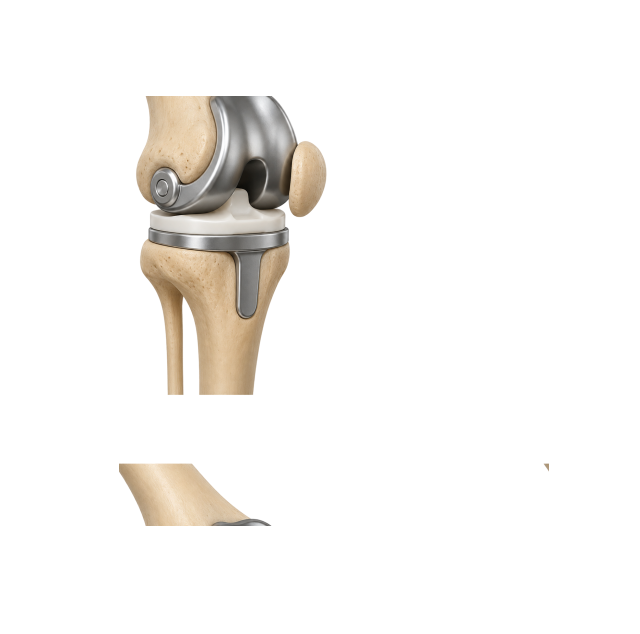
Knee Replacement Surgery is an advanced orthopaedic procedure used to replace damaged or worn-out parts of the knee joint with artificial implants. It is commonly recommended for patients suffering from severe knee pain, advanced arthritis, knee stiffness, or reduced mobility that significantly affects daily life. At Ujala Cygnus Hospitals, our experienced orthopaedic and joint replacement specialists use advanced surgical techniques and modern implants to help patients regain mobility, reduce pain, and improve their quality of life.
Advanced Knee Replacement Surgery at Ujala Cygnus Hospitals
At Ujala Cygnus Hospitals, we provide comprehensive knee replacement surgery for patients experiencing chronic knee pain, joint damage, arthritis, and mobility limitations. The knee is one of the most important weight-bearing joints in the body, and damage to this joint can make everyday activities such as walking, climbing stairs, standing, and exercising extremely difficult.
Knee Replacement Surgery is often recommended when conservative treatments such as medications, physiotherapy, lifestyle modifications, injections, and assistive devices no longer provide adequate relief. The procedure involves replacing damaged cartilage and bone surfaces with specially designed artificial implants that restore joint function and movement.
Our orthopaedic surgeons perform detailed evaluations using advanced diagnostic imaging and personalised treatment planning to determine the most suitable surgical approach. With modern technology, enhanced recovery protocols, and dedicated rehabilitation support, we aim to help patients return to an active and independent lifestyle.
What is Knee Replacement Surgery?
Knee Replacement Surgery, also known as Knee Arthroplasty, is a surgical procedure that replaces damaged portions of the knee joint with artificial components made from metal, ceramic, or medical-grade plastic materials. The surgery is designed to relieve pain, improve joint function, and restore mobility in patients with severe knee joint damage.
During the procedure, the surgeon removes the damaged cartilage and bone from the knee joint and replaces them with prosthetic implants that mimic the natural movement of the knee. Knee Replacement Surgery is considered one of the most successful orthopaedic procedures for treating advanced arthritis and chronic knee pain, helping patients regain comfort and independence in their daily lives.
Types of Knee Replacement Surgery
Total Knee Replacement (TKR)
The entire knee joint is replaced with artificial components. This is the most common type of knee replacement surgery performed for advanced arthritis and widespread joint damage.
Partial Knee Replacement (PKR)
Only the damaged portion of the knee joint is replaced, preserving healthy bone, cartilage, and ligaments whenever possible.
Bilateral Knee Replacement
Both knees are replaced during the same surgical session or in separate stages, depending on the patient's condition and overall health.
Revision Knee Replacement
This procedure is performed to replace or repair a previously implanted knee prosthesis that has worn out, loosened, or failed.
Robotic-Assisted Knee Replacement
Advanced robotic technology assists the surgeon in improving precision, implant positioning, and surgical planning for selected patients.
Customised Knee Replacement
Patient-specific implants and surgical planning techniques may be used to achieve optimal joint alignment and function.
Conditions Treated with Knee Replacement Surgery
Knee Replacement Surgery Procedure: What Happens During Treatment?
Benefits of Knee Replacement Surgery
Knee Replacement Surgery offers significant benefits for patients experiencing severe knee pain, arthritis, and reduced mobility. The procedure is designed to improve comfort, independence, and overall quality of life.
- Significant reduction in chronic knee pain
- Improved knee function and mobility
- Enhanced ability to walk, climb stairs, and perform daily activities
- Better joint stability and alignment
- Increased independence and quality of life
- Improved participation in physical activities
- Long-lasting relief from arthritis-related symptoms
- Correction of knee deformities
- Improved overall physical wellbeing
Why Choose Ujala Cygnus Hospitals for Knee Replacement Surgery?

Experienced Joint Replacement Specialists
Our orthopaedic surgeons have extensive experience in performing primary, complex, and revision knee replacement procedures using evidence-based surgical techniques.

Advanced Surgical Technology
We utilise modern operating theatres, advanced imaging systems, precision surgical instruments, and contemporary implant technologies to enhance treatment outcomes.

Personalised Patient Care
Every patient receives an individualised treatment and rehabilitation plan tailored to their specific condition, lifestyle requirements, and recovery goals.

Comprehensive Rehabilitation Services
Our multidisciplinary team provides complete support before, during, and after surgery, ensuring smooth recovery and long-term joint health.
Possible Risks and Complications of Knee Replacement Surgery and How They Are Managed
Like all major surgical procedures, Knee Replacement Surgery carries certain risks. However, careful patient selection, modern surgical techniques, and comprehensive post-operative care help minimise these risks.
Short-Term Risks
Infection
Infections around the surgical site are uncommon but may require antibiotics or additional treatment.
Blood Clots
Deep vein thrombosis (DVT) can occur after surgery and preventive measures are routinely implemented.
Swelling and Pain
Temporary discomfort and swelling are common during the initial recovery phase.
Bleeding
Minor bleeding may occur during or after surgery and is closely monitored by the healthcare team.
Anaesthesia-Related Complications
Rare complications associated with anaesthesia are minimised through detailed pre-operative assessment.
Long-Term Risks
Implant Wear and Loosening
Over time, artificial knee components may gradually wear or loosen, particularly in highly active individuals.
Joint Stiffness
Some patients may experience reduced knee flexibility if rehabilitation exercises are not followed consistently.
Persistent Pain
Although uncommon, a small number of patients may continue to experience discomfort after surgery.
Implant Failure
Rarely, knee implants may require revision surgery due to mechanical failure or complications.
Joint Instability
In certain cases, patients may experience instability or imbalance in the replaced knee joint.
Managing and Reducing Risks
Thorough Pre-Surgical Assessment
Comprehensive evaluation helps identify potential risk factors before surgery.
Advanced Surgical Techniques
Modern surgical approaches improve implant positioning and reduce complications.
Early Mobilisation
Patients are encouraged to begin movement and rehabilitation soon after surgery to promote recovery.
Regular Follow-Up Care
Scheduled follow-up appointments help monitor healing, implant function, and long-term outcomes.
Recovery and Rehabilitation After Knee Replacement Surgery
Successful recovery after Knee Replacement Surgery depends on proper rehabilitation, healthy lifestyle habits, and ongoing medical support.
Diet and Nutrition
A nutritious diet rich in protein, vitamins, minerals, and hydration supports wound healing, tissue repair, and overall recovery.
Exercise and Physical Therapy
Physiotherapy is essential for restoring knee movement, strengthening surrounding muscles, and improving joint function. Patients are encouraged to follow their rehabilitation programme consistently.
Emotional Wellbeing and Confidence Building
Recovering from major surgery can be both physically and emotionally challenging. Ongoing support from healthcare professionals and family members can positively influence recovery.
Follow-Up Care and Long-Term Recovery
Regular reviews help monitor implant performance, assess mobility, and address any concerns during the recovery journey. Most patients experience gradual improvement over several months following surgery.
Patient Stories
Hip Replacement by
Dr. Indranil Halder

LNICU by
Dr. Rajeev Kumar

CKD Diabetes
CKD Diabetes

Knee Replacement by
Knee Replacement

TNBC Survivor by
Dr. Abid Lone

Spine Surgery by
Dr. Saurabh Kumar Sinha

Brain Surgery by
Dr. Saurabh Kumar Sinha
Hip Replacement by
Dr. Indranil Halder
NICU by
Dr. Rajeev Kumar
CKD Diabetes
CKD Diabetes
Knee Replacement by
Knee Replacement
TNBC Survivor by
Dr. Abid Lone
Spine Surgery by
Dr. Saurabh Kumar Sinha
Brain Surgery by
Dr. Saurabh Kumar Sinha
Latest Blogs








Frequently Asked Questions
What is Knee Replacement Surgery?
Knee Replacement Surgery is a procedure that replaces damaged portions of the knee joint with artificial implants to relieve pain and improve mobility.
Who needs Knee Replacement Surgery?
The procedure is usually recommended for individuals with severe arthritis, chronic knee pain, joint degeneration, or mobility limitations that do not improve with conservative treatments.
How long does Knee Replacement Surgery take?
Most knee replacement procedures take approximately one to three hours, depending on the complexity of the surgery.
How long is the recovery period after Knee Replacement Surgery?
Initial recovery may take several weeks, while full recovery and optimal joint function can take several months with proper rehabilitation.
Can I walk after Knee Replacement Surgery?
Most patients begin walking with assistance within a day or two after surgery and gradually progress to independent walking during recovery.
How long do knee replacement implants last?
Modern knee implants can often last 15 to 25 years or longer, depending on factors such as activity level, weight, overall health, and implant type.