Don’t Confuse Heart Attack with Cardiac Arrest: Here’s the Key Difference
Heart disease has become one of the leading causes of death in India and around the world. What makes the situation even more concerning is that many heart attack victims do not reach the hospital in time. Experts estimate that nearly 70% of heart attack deaths occur before medical help becomes available, often because people fail to recognise the warning signs or are unaware of what to do in the first few critical minutes.Adding to the confusion, many people use the terms heart attack and cardiac arrest interchangeably, even though they are two very different medical conditions. Understanding the difference is important, as early recognition and timely action can significantly improve survival chances.In simple terms, a heart attack is a circulation problem, which occurs when the blood flow to the heart muscle is blocked, usually due to a clot in the coronary arteries. Cardiac arrest, on the other hand, is an electrical problem, where the heart suddenly stops beating due to a disruption in its electrical system. Dr. Prof. Sandeep Mishra, Chairman, Cardiac Sciences at Ujala Cygnus Brightstar Hospital, Moradabad, explains the key differences between heart attack and cardiac arrest, their warning signs, and the immediate steps that can help save lives during a medical emergency.
What Is a Heart Attack?
A heart attackoccurs when the coronary arteries, which supply blood to the heart muscle, become blocked. This blockage prevents oxygen-rich blood from reaching the heart muscle, causing damage to the heart tissue.A heart attack usually develops due to blood clots forming in narrowed arteries, often caused by cholesterol buildup.Common Symptoms of a Heart AttackHeavy pressure or pain in the chestA feeling of a heavy weight or stone on the chestDifficulty breathing or shortness of breathCold sweatingNausea or discomfort in the upper bodyIf these symptoms appear, immediate medical attention is critical.
What Is Cardiac Arrest?
A cardiac arrestoccurs when the heart suddenly stops beating due to an electrical malfunction
in the heart. This disrupts the heart’s rhythm, preventing it from pumping blood into the brain and other vital organs.
Unlike a heart attack, cardiac arrest happens suddenly and often causes a person to collapse and lose consciousness.
Signs of Cardiac Arrest
Sudden collapse
No pulse
No breathing
Loss of consciousness
Without immediate help, cardiac arrest can lead to death within minutes.
Can a Heart Attack Cause Cardiac Arrest?
Yes. In many cases, a heart attack can trigger a cardiac arrest.When a heart attack damages the heart muscle, it may disrupt the heart’s electrical signals, causing irregular or chaotic heart rhythmsthat can lead to cardiac arrest.However, not every heart attack leads to cardiac arrest and not every cardiac arrest is caused by a heart attack
What Should You Do If Someone Has a Heart Attack?
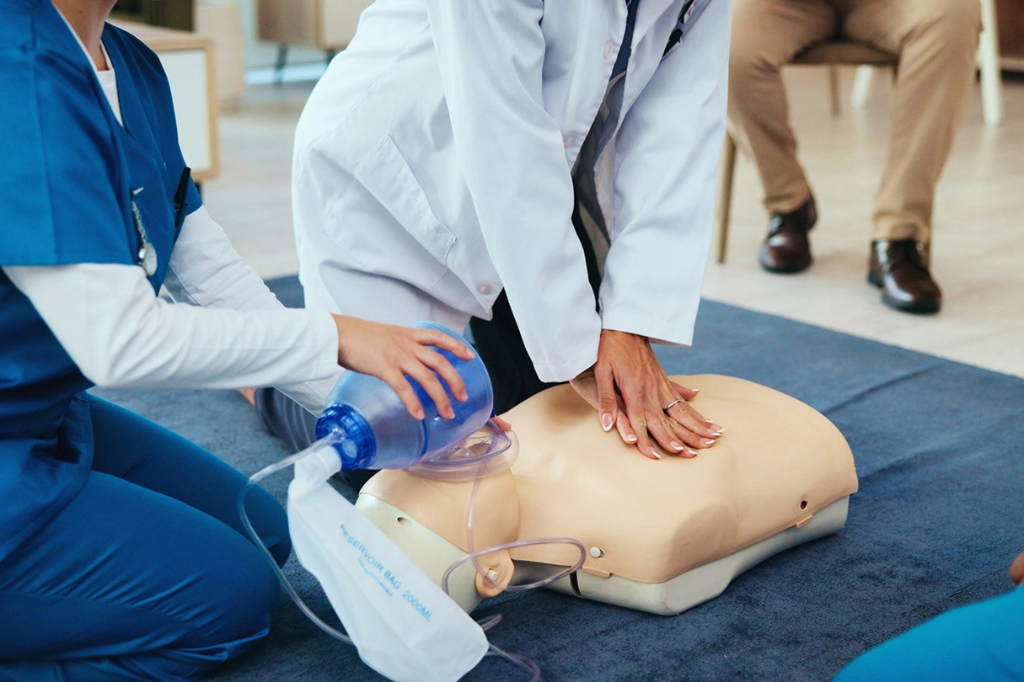
According to Dr. Mishra, most deaths from heart attacks occur within the first hour, often before reaching a hospital. Taking quick action can save lives.Important Steps During a Suspected Heart AttackStop all physical activity immediatelyand rest.Call for medical help or an ambulanceright away.Avoid unnecessary talkingto reduce stress on the heart.Inform family members or nearby people.Chew an aspirin tablet (if not allergic) to help prevent blood clot formation. Sit comfortably with back support rather than standing or lying down.Stay calm and breathe slowly.Seek medical care as soon as possible.These simple actions can significantly improve survival chances until professional help arrives.
How Lifestyle Changes Can Prevent Heart Disease?
Heart disease risk can be reduced significantly with healthy lifestyle habits.Steps to Protect Your HeartWalk at least 30 minutes daily or aim for 8,000–10,000 steps a day Avoid fried foods and excessive carbohydratesEat more fruits, vegetables, and nuts Quit smoking and alcohol consumption Manage stress through yoga or meditationControl diabetes, obesity, and high blood pressureAccording to experts, up to 70–80% of heart disease cases can be prevented through lifestyle changes.
If you experience symptoms of heart disease or have concerns about your heart health, consult a cardiologist at your nearest Ujala Cygnus Hospitals. You can also reach our health experts at askadoctor@ujalacygnus.com or Click here to book an appointment with Dr. Prof. Sandeep Mishra.
Frequently Asked Questions (FAQs)
What is the main difference between a heart attack and cardiac arrest?
A heart attack occurs due to blocked blood flow to the heart muscle, while cardiac arrest occurs due to an electrical problem that stops the heart from beating.
Can a heart attack lead to cardiac arrest?
Yes. A severe heart attack can damage the heart muscle and disrupt electrical signals, which may trigger cardiac arrest.
What are the early symptoms of a heart attack?
Common symptoms include chest pressure, shortness of breath, cold sweating, nausea, and discomfort in the chest or upper body.
What should a person do immediately during a heart attack?
They should stop activity, sit comfortably, call emergency medical help, and chew an aspirin if advised by a doctor.
Can heart disease be prevented?
Yes. Regular exercise, healthy eating, quitting smoking, managing stress, and controlling conditions like diabetes or high blood pressure can significantly reduce the risk of heart disease.


+91-91466 91466
If you want to get a free consultation without any obligations, fill in the form below and we'll get in touch with you.
Request a Call Back
Our healthcare expert will contact you shortly to understand your requirements and assist you with the right care.
100% Confidential
Your information is safe and secure with us.
Quick Response
Our team will connect with you at the earliest.
Expert Guidance
Speak with our experienced healthcare professionals.
Request a Call Back
You Will Get a call within 1 hour
?? Your information is
safe & confidential.