When a child experiences a neurological emergency, every single second counts. Paediatric status epilepticus—prolonged or recurrent seizures without full recovery of consciousness—is one of the most critical scenarios faced in emergency medicine.
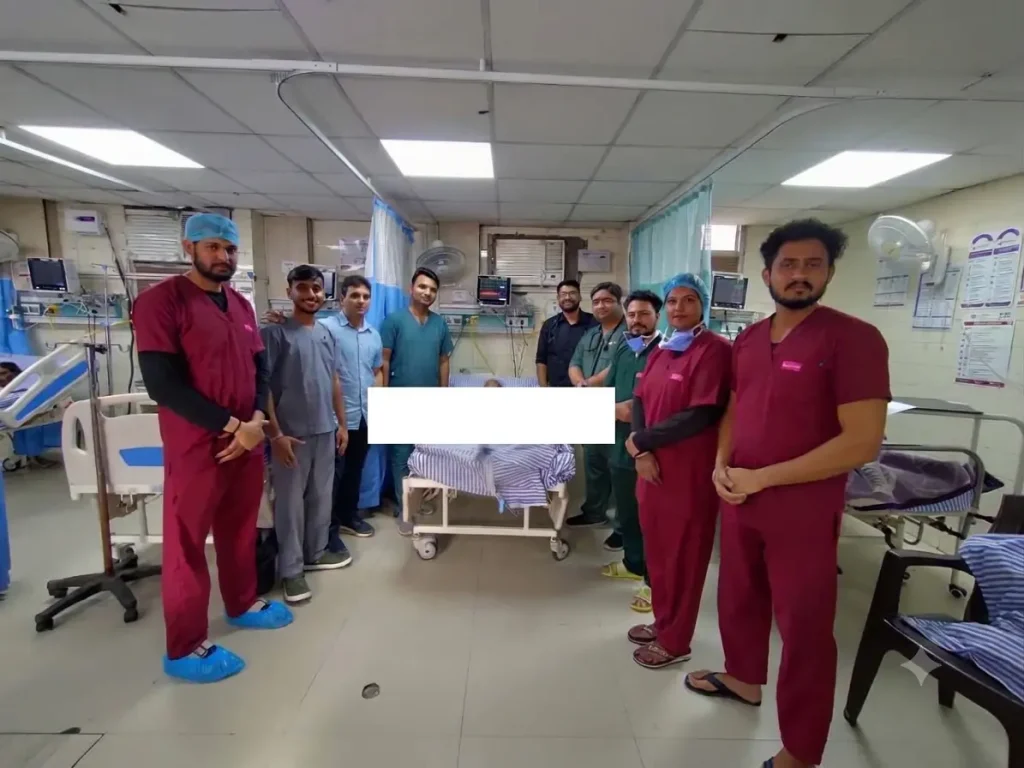
Recently, the expert clinical team at Ujala Cygnus Maharaja Aggarsain Hospital, Panipat, featuring specialists such as Dr. Shashank Bansal (Neonatology) and Dr. Mohammad Ayub Thoker (Neurosurgery), successfully navigated a complex and challenging case involving a 3-year-old child, showcasing the life-saving impact of timely intervention and multidisciplinary critical care.
The Presentation: A Race Against Time
The patient, a 3-year-old female child named Baby Khwaish from Panipat, was brought to the hospital presenting with high fever and acute seizure activity. With a known medical background of spastic quadruplegic cerebral palsy and Hypoxic-Ischemic Encephalopathy (HIE), she was immediately evaluated and found to be in status epilepticus.
Given the severity of the presentation, the medical team acted swiftly, shifting her directly to the Intensive Care Unit (ICU) for emergency stabilization, continuous monitoring, and seizure control.
Navigating the Complexities of Refractory Seizures
Upon admission, the provisional diagnosis pointed toward febrile seizures with status epilepticus. However, managing the case proved exceptionally demanding:
- Resistance to Initial Medication: Despite the administration of multiple anti-seizure medications, adequate seizure control was not immediately achieved.
- Airway Protection & Ventilation: Because of persistent seizure activity and the clinical need for sedation, the patient underwent endotracheal intubation and was placed on mechanical ventilation.
- Multidisciplinary Oversight: Throughout the ICU stay, which required 7 to 10 days of ventilatory support, the child experienced intermittent seizure episodes. Coordinated care and specialised neurological assessments were driven by expert paediatric and critical care management, with key oversight from specialists including Dr. Sashank Bansal and Dr. Mohammad Ayub Thoker.
A Path Toward Recovery
Through continuous observation, careful medication adjustments, and supportive ICU care, the patient’s condition gradually began to stabilize. Over subsequent days, she successfully met the milestones required to be safely weaned off mechanical ventilation.
After approximately 15 days of intensive hospitalization, the Baby was declared clinically comfortable and discharged home under the watchful care of her treating team.
Key Takeaways
This case highlights vital lessons in pediatric emergency management:
- The Importance of Escalation: When initial anti-seizure treatments fail, timely escalation—including aggressive airway management and sedation—is critical.
- Comprehensive Diagnostics: Identifying underlying triggers, evaluating prior neurological histories (such as birth asphyxia-related changes), and tailoring care are essential steps in managing complex presentations.
The Power of Teamwork: Successful outcomes in severe neurological emergencies rely heavily on a synchronized, multidisciplinary approach combining paediatric critical care, expert nursing, and specialized neurological insights.