Air Pollution Increasing COPD Risk for Everyone
The current air pollution crisis is putting everyone at greater risk of developing Chronic Obstructive Pulmonary Disease (COPD).With rising levels of toxic particulate matter and harmful gases, even short-term exposure can irritate the lungs and worsen breathing issues. For people with existing respiratory conditions, the danger is even higher; even healthy individuals are not immune either.
Consistent exposure over time can lead to chronic inflammation, reduced lung function, and long-term respiratory disease. As air quality continues to decline, it’s crucial to stay informed, take preventive measures, and prioritise lung health, not just for vulnerable groups, but for all of us.
COPD is a condition that usually goes unnoticed in the early stages but gradually becomes serious over time. Unlike other respiratory diseases, COPD generally does not affect children or youngsters; however, after the age of 40, it is important to stay alert—especially if you have a habit of smoking cigarettes or bidis. Smoking not only obstructs the air passages in the lungs but also weakens them from within, eventually leading to severe stages of COPD. Chronic bronchitis and emphysema are the main types of COPD. Also, people with unmanaged asthma may have a higher risk of developing COPD.
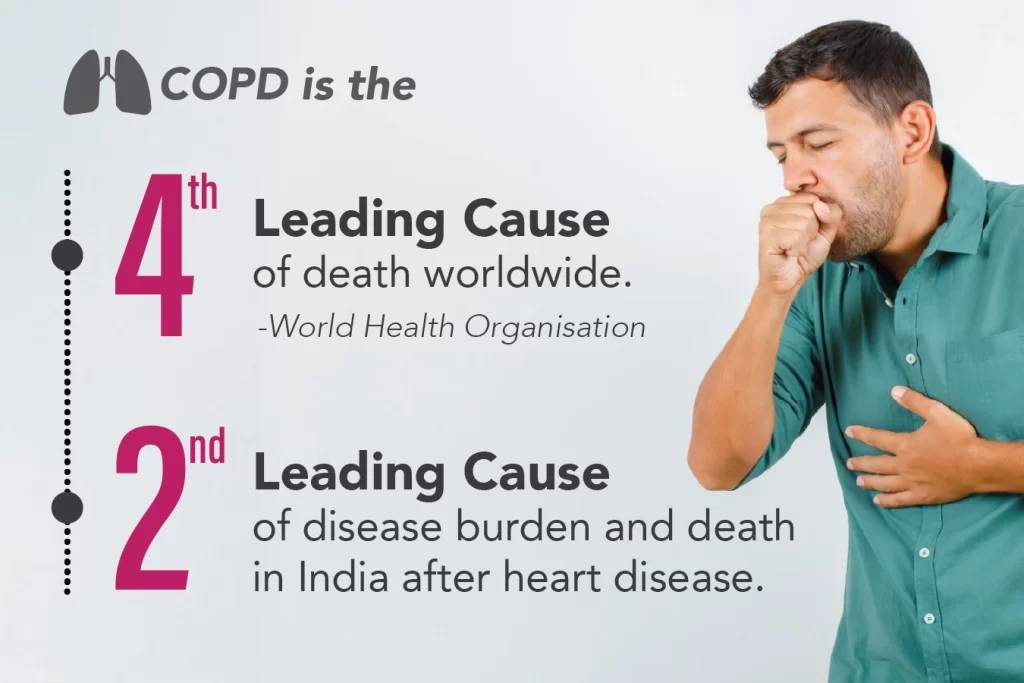
With changing lifestyles, this disease has become increasingly common. According to world health organisations COPD is the fourth leading cause of death worldwide. In 2021, it caused 3.5 million deaths, which is approximately 5% of global deaths. COPD is a progressive, irreversible disease with no current cure. Management focuses on slowing progression, controlling symptoms, and improving quality of life by taking measures: quitting smoking, avoiding air pollution,with a healthy lifestyle, and taking medicine.
What’s important to understand is that once COPD develops, it cannot be reversed
Although medications and lifestyle changes can help manage and control the condition, it cannot be completely cured. This is why doctors consider cigarette smoke, bidi smoke, and the fumes from traditional cooking stoves to be the biggest risk factors for COPD.Limiting exposure to air pollution, using protective masks, staying physically active, maintaining a healthy diet, and taking prescribed medicationsincluding inhalersare essential steps. If you want to check your lung function, a test called spirometry is used to measure how well the lungs work. However, the limited availability of spirometry means many people miss an early diagnosis.
Also, COPD can be diagnosed through a Lung Function Test, also known as the Pulmonary Function Test (PFT). Doctors also strongly recommend flu and pneumococcal vaccinationsfor individuals with COPD, as they are more vulnerable to pneumonia and sudden flare-ups. These vaccines help prevent infections, reduce exacerbations, and protect lung health. Some patients may require oxygen therapyto maintain adequate blood oxygen levels. In advanced cases, surgical options such as lung volume reduction surgeryor lung transplantation may be considered. Dr. B. L. Goyal, Pulmonologist
at Ujala Cygnus Super Speciality Hospital, Rewari, explains that with changing lifestyles and rising pollution levels, COPD has become increasingly common. It is a long-term lung condition that often goes unnoticed in the early stages but gradually becomes more serious. Unlike many other respiratory illnesses, COPD is rarely seen in children. The risk increasessignificantly after the age of 40, especially among individuals who smoke cigarettes or bidi. Smoking damages the airways and air sacs in the lungs, restricting airflow and weakening lung function, which can eventually lead to advanced COPD. Globally, the burden of respiratory diseases remains among the highest of all health conditions and is a leading cause of death.
Dr. Goyal emphasises that COPD cannot be reversed once it develops. While medications and lifestyle modifications can help control symptoms and slow disease progression, there is currently no cure. This makes it vital to avoid cigarette smoke, bidi smoke, and even household smoke from traditional cooking stoves, all of which are major risk factors.
Diagnosis and SymptomsCOPD is diagnosed using a simple and effective test called the Lung Function Test or Pulmonary Function Test (PFT), which measures how well the lungs are working and helps determine the severity of the condition.
Common symptoms of COPD:
- Shortness of breath, especially during physical activity
- Feeling unusually tired
- Chronic cough
- Cough with mucus
- Wheezing Chest tightness Fatigue
Frequent respiratory infections
Several illnesses and complications can worsen COPD, such as pneumonia, lung infections, lung cancer, weak respiratory muscles, depression, and anxiety.
Do You Use Energy Saving Techniques?
For better lifestyle management with COPD, break daily tasks into small, manageable steps and use energy-saving techniques wherever possible. For example – while cooking, avoid exposure to smoke, pollutants, and extreme temperatures.
Use your prescribed inhaler before starting activities that may strain your breathing and incorporate regular exercise into your routine. Participating in a structured pulmonary rehabilitation program which may include walking, cycling, and strength-building exercises can significantly improve stamina and overall lung function. Breathing exercises such as pursed-lip breathing and diaphragmatic (belly) breathing are highly effective for controlling breathlessness. They help slow your breathing, keep airways open longer, and strengthen the diaphragm.
Aim for 20–30 minutes of aerobic activity, such as walking or stationary cycling, three to four times a week to improve lung capacity. Light strength trainingalso helps enhance muscle strength. Along with exercise, maintaining a balanced diet, staying hydrated, and getting proper restare essential. These lifestyle habits collectively support better lung health and significantly improve the quality of life for individuals living with COPD.
+91-91466 91466
If you want to get a free consultation without any obligations, fill in the form below and we'll get in touch with you.
Request a Call Back
Our healthcare expert will contact you shortly to understand your requirements and assist you with the right care.
100% Confidential
Your information is safe and secure with us.
Quick Response
Our team will connect with you at the earliest.
Expert Guidance
Speak with our experienced healthcare professionals.
Request a Call Back
You Will Get a call within 1 hour
Your information is
safe & confidential.