Diabetes Can Affect Anyone, from Children to the Elderly: Know What the Doctor Recommends
Written By
Ujala Cygnus Team
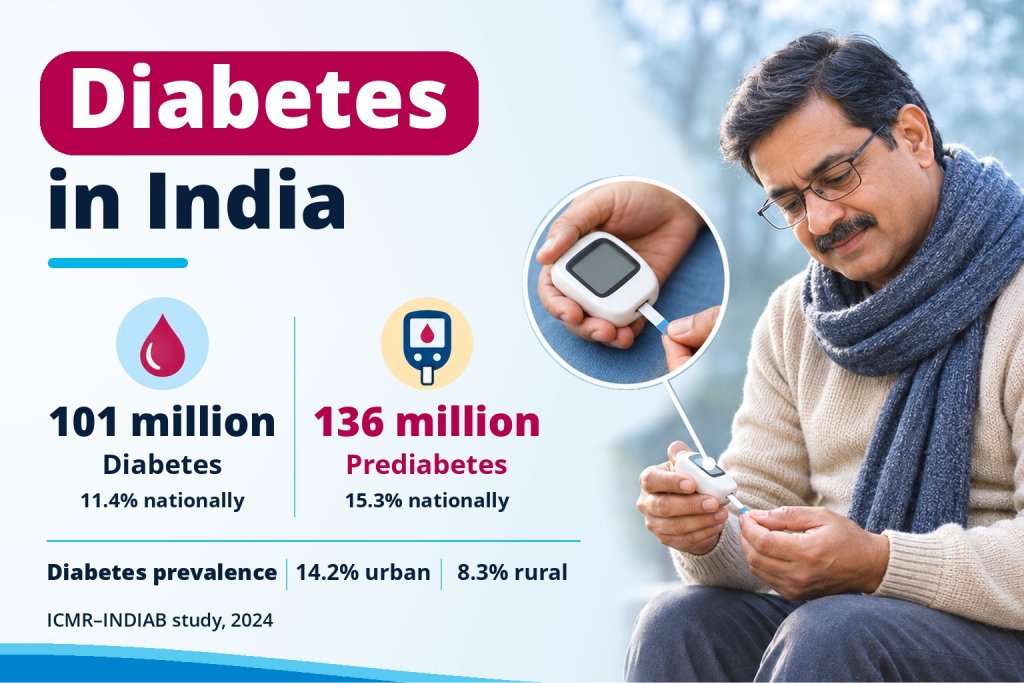
Diabetes is one of the fastest-growing health concerns today. The condition is no longer limited to older people; children, young adults and adults are also increasingly being affected. According to the ICMR-INDIAB study conducted by the Indian Council of Medical Research (ICMR), approximately 101 million people in India are living with diabetes, while nearly 136 million are in the prediabetes stage. These figures highlight how widespread diabetes has become in the country. However, timely screening, appropriate treatment and lifestyle changes can help manage the condition.
Diabetes is a condition in which the level of blood sugar, or glucose in the blood, becomes higher than normal. This happens when the body does not produce enough insulin or is unable to use insulin effectively. Insulin is a hormone that helps transport glucose from the bloodstream into the body’s cells. When this process is affected, blood sugar levels begin to rise.
However, with the right information, timely screening, regular medication and lifestyle modifications, diabetes can be managed to a considerable extent. Despite this, several myths and misconceptions about the condition continue to exist in society. Some people believe it is a contagious disease, while others think that diabetes affects only people who are overweight or elderly. Many patients also delay screening and treatment despite experiencing symptoms. Such negligence can eventually lead to serious complications.
Dr. Saubhagya Mishra, Senior Consultant – Internal Medicine at Ujala Cygnus Brightstar Hospital, Moradabad, explains that having accurate information about diabetes is extremely important. Instead of believing myths associated with the condition, patients should seek advice from specialist doctors. Let us understand some common questions about diabetes and the doctor’s advice.
Common Myths About Diabetes and the Facts
Is diabetes a contagious disease?
No, diabetes is a non-communicable disease. One common misconception is that diabetes can spread through contact with another person. Some people even believe that sharing meals, shaking hands or living in the same house with someone who has diabetes can lead to its transmission. However, the reality is that diabetes is not contagious. It does not spread from one person to another through sneezing, coughing, touching or any form of routine physical contact. Therefore, people living with diabetes should never face discrimination.
Is Type 2 diabetes less serious than Type 1 diabetes?
Both types of diabetes require appropriate treatment and regular monitoring. People often believe that Type 2 diabetes is not very serious and can be managed simply by making dietary changes. This assumption is incorrect. If Type 2 diabetes remains uncontrolled for a long time, it can affect the heart, kidneys, eyes and nerves. In some cases, it can also lead to serious complications. Therefore, no type of diabetes should be taken lightly. Patients should continue taking medication, undergoing tests and attending regular follow-ups as advised by their doctor.
Does Type 2 diabetes affect only people who are overweight?
People with normal or low body weight can also develop Type 2 diabetes. Obesity and excess fat around the abdomen are among the major risk factors for Type 2 diabetes. However, this does not mean that only overweight people develop the condition. People with normal body weight and those who are lean can also develop diabetes. Genetic factors, family history, lack of physical activity and other metabolic factors may contribute to the risk. Therefore, a person’s risk of developing diabetes cannot be determined solely on the basis of body weight.
Can diabetes cause vision loss and damage to the feet?
Long-term uncontrolled diabetes can affect several organs of the body, including the eyes and feet. Diabetes can damage both small and large blood vessels as well as nerves. This can increase the risk of eye conditions such as diabetic retinopathy, numbness, tingling sensations in the feet and foot ulcers. In severe cases, foot wounds may fail to heal, and if the infection spreads, amputation may become necessary.
However, this does not mean that every person with diabetes will lose their eyesight or suffer foot damage. Keeping blood sugar, blood pressure and cholesterol levels under control, avoiding smoking and undergoing regular eye and foot examinations can help reduce the risk of complications.
Can diabetes never be cured?
Diabetes can be managed, and remission is also possible in some people with Type 2 diabetes. The statement that diabetes has no permanent cure needs to be understood in the context of its different types. People with Type 1 diabetes require regular insulin. In Type 2 diabetes, weight loss, dietary improvements and regular physical activity can significantly improve blood sugar levels. Some patients may also achieve remission under medical supervision, in which blood sugar levels remain within the normal range even without medication. However, this does not mean that the condition has been permanently eliminated. Such patients also need regular tests and follow-ups.
Can diabetes be completely cured through natural or home remedies?
No home remedy or herbal product can be considered a proven treatment for diabetes. Various products and home remedies are often promoted in the market with claims that they can eliminate diabetes completely. Patients should be cautious about such claims. A balanced diet, regular exercise and a healthy lifestyle can help control blood sugar levels, but they should not be considered substitutes for medication or insulin prescribed by a doctor. Some herbal products may interact with medicines or cause damage to the liver and kidneys. Therefore, it is important to consult a doctor before starting any supplement or alternative treatment.
Does diabetes affect only older people?
Diabetes can develop at any age. It is a common misconception that the condition affects only older people. Type 1 diabetes can occur in children and young adults. Type 2 diabetes is also increasingly being observed among younger people. Genetic factors, unhealthy eating habits, lack of physical activity and obesity can increase the risk. Therefore, children, young adults and adults should also undergo screening if they experience symptoms.
Is eating too much sugar the only cause of diabetes?
Several risk factors contribute to the development of diabetes. It is commonly believed that people who consume a lot of sweets or sugar will develop diabetes. However, sugar consumption alone is not the cause. Type 2 diabetes is associated with several factors, including genetic predisposition, excess body weight, abdominal fat, an unbalanced diet and lack of physical activity. Consuming more calories than the body needs can lead to weight gain, which may increase the risk of diabetes. Therefore, simply avoiding sugar is not enough. It is important to focus on a balanced diet, appropriate portion sizes and regular exercise.
Can diabetes treatment be delayed for some time?
Delaying treatment can increase the risk of serious complications. Some people avoid starting medication even when their blood sugar levels are high. They believe that dietary changes or home remedies will resolve the problem on their own. However, if diabetes remains uncontrolled for a long time, it can damage important organs of the body. Frequent urination, excessive thirst, increased hunger, unexplained weight loss, fatigue and blurred vision are some common symptoms. However, many patients may not experience any clear symptoms during the initial stages. Therefore, people at risk should undergo screening and start treatment on time, as advised by their doctor.
What Should People with Diabetes Keep in Mind?
Managing diabetes requires more than just medication. Patients should also make necessary changes to their daily routine and eating habits.
- Follow a balanced diet: Include green vegetables, whole grains, pulses, protein-rich foods and fibre-rich items in your meals. Limit the consumption of sugary drinks and highly processed foods.
- Stay physically active: Include daily walking, exercise or other physical activities according to your age and health condition. Consult a doctor before starting an exercise routine, if required.
- Maintain a healthy weight: For people who are overweight, gradual and safe weight loss can help improve blood sugar control.
- Take medication regularly: Take medicines or insulin on time, as prescribed by your doctor. Do not stop medication or change its dosage on your own.
- Monitor blood sugar levels: Get regular blood sugar and HbA1c tests as advised by your doctor.
- Take care of your eyes and feet: Get regular eye examinations and consult a doctor immediately if you notice any wounds, swelling or infection in your feet.
- Avoid smoking: Smoking can increase the risk of complications related to the heart and blood vessels.
- Attend regular follow-ups: Continue consulting your doctor regularly, even when your blood sugar levels are under control.
According to Dr. Saubhagya Mishra, people living with diabetes should understand their condition and make treatment a part of their daily routine. If they experience any health concerns or unusual changes in blood sugar levels, it is important to consult a specialist doctor without delay.
If you also have questions related to diabetes, consult a doctor at your nearest Ujala Cygnus Hospital. Alternatively, you can email askadoctor@ujalacygnus.com to connect with our specialists and click here to book an appointment.
FAQs
What are the early symptoms of diabetes?
Frequent urination, excessive thirst, increased hunger, fatigue, unexplained weight loss, blurred vision and slow wound healing may be some common symptoms. However, many people do not experience any noticeable symptoms. A blood sugar test is required to confirm the condition.
Can people with diabetes eat fruits?
Yes, people with diabetes can eat fruits. However, it is important to pay attention to the type and quantity of fruit consumed. Eating whole fruits is a better option. Fruit juices, especially those without fibre, should be limited. Consult your doctor or dietitian according to your dietary requirements.
Can people with diabetes eat rice and chapati?
Yes, people with diabetes can include rice and chapati in their diet. It is important to control portion sizes and maintain a balanced diet. Choosing whole grains and fibre-rich alternatives can be beneficial.
Should people with diabetes check their blood sugar levels every day?
This depends on the patient’s condition, type of diabetes and treatment. Patients who take insulin or experience fluctuations in blood sugar levels may require more frequent monitoring. The doctor determines how often testing is needed.
Can people with diabetes exercise?
Yes, regular physical activity helps control blood sugar levels. Walking, cycling and light exercise can be beneficial. However, the type and duration of exercise should be decided according to the patient’s age, health condition and medication.
Can medication be stopped when blood sugar levels become normal?
No. Normal blood sugar levels do not mean that diabetes has been completely cured. The decision to stop medication or change its dosage should only be made after consulting a doctor.
How often should people with diabetes undergo an HbA1c test?
Generally, patients whose blood sugar levels are not within the target range or whose treatment has
been changed may be advised to undergo an HbA1c test approximately every three months. For patients whose blood sugar levels are stable and controlled, the test may be conducted every six months. The doctor determines the appropriate testing interval.

Dr. Jaspreet Singh
Senior Consultant
Endocrinology
MBBS, MD (Internal Medicine), DM (Endocrinology)
Ujala Cygnus JK Medicity Hospital, Jammu, Jammu & Kashmir






+91-91466 91466
If you want to get a free consultation without any obligations, fill in the form below and we'll get in touch with you.
Request a Call Back
Our healthcare expert will contact you shortly to understand your requirements and assist you with the right care.
100% Confidential
Your information is safe and secure with us.
Quick Response
Our team will connect with you at the earliest.
Expert Guidance
Speak with our experienced healthcare professionals.
Request a Call Back
You Will Get a call within 1 hour
Your information is
safe & confidential.