From Gyms to Wellness posts: Why is the Protein Buzz Everywhere?
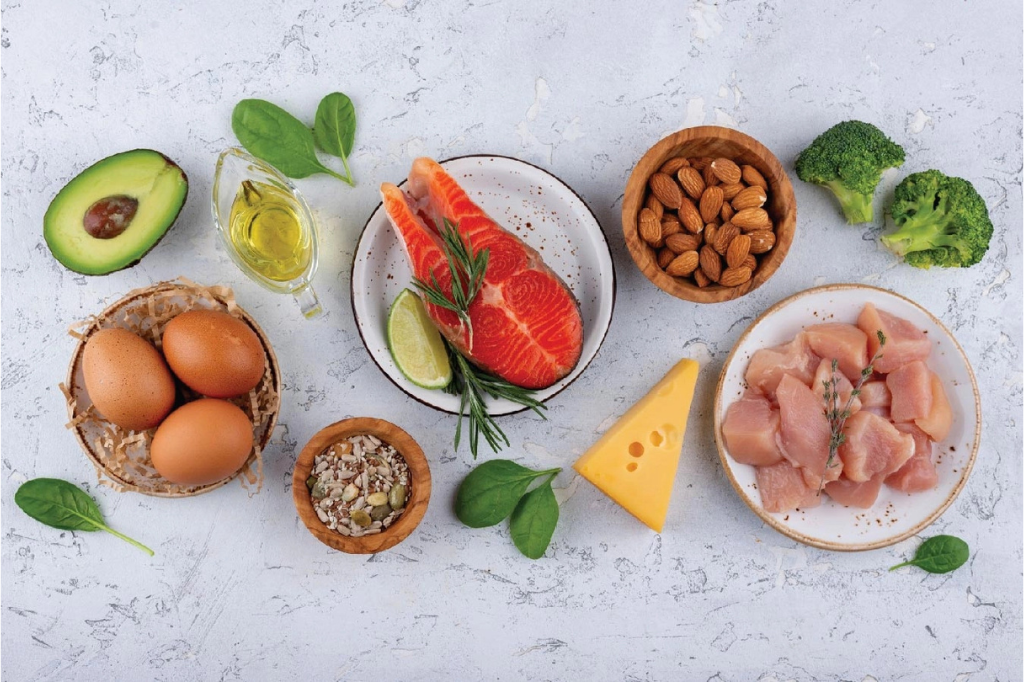
Nowadays, whether at the gym, wellness centers, or even at home, every health expert says to increase your protein intake. It is important because proteins play a vital role in keeping us alive, strong, and healthy — from repairing tissues to fighting infections.
Before we talk about the benefits of protein, let’s first understand what it is. Protein is a large and complex molecule made up of smaller building blocks called amino acids. When you eat protein-rich foods, your digestive system breaks them down into amino acids, which your body then uses to create new proteins for different functions. Some of these amino acids are essential, meaning your body cannot produce them on its own — you must get them through food.
It is good to know amino acids are used as the fundamental building blocks for proteins, essential for muscle growth, tissue repair, enzyme production and hormone regulation. They also boost immune function and provide energy.
According to Dr. Srishti Goyal, Dietician at Ujala Cygnus – Cygnus Super Speciality Hospital, Kurukshetra, dietary protein is an important nutrient that keeps your body functioning smoothly. Your daily protein needs depend on factors such as age, body weight, activity level, and overall calorie intake.
What Does Protein Do?
Proteins are incredibly versatile and perform countless vital functions in the body, such as:
- Providing
- Acting as
- Transporting important molecules (for example, hemoglobin carries oxygen in the blood)
- Acting as
- Supporting
- Repairing and building muscles, tissues, and wounds
Since proteins are constantly being broken down and rebuilt, your body needs a steady supply of amino acids to maintain these processes.
What Are the Benefits of Eating Protein? Which Food Are Rich in Protein?
It’s a common myth that only chicken, fish, or other non-vegetarian foods are rich in protein. In fact, there are many plant-based protein sources easily available that are equally nutritious and protein-packed. High-protein non-vegetarian foods include chicken (especially the breast), fish such as tuna, and eggs. Dairy products like cottage cheese, yogurt, and milk are also excellent sources of protein. On the plant-based side, foods such as soy, lentils, chickpeas, beans, peanuts, almonds, chia seeds, broccoli, avocado and pumpkin seeds provide a substantial amount of protein. Not eating enough protein can lead to loss of muscle mass and strength, a weakened immune system, increased hunger, fatigue, brittle hair and nails, and a higher risk of bone fractures. Protein deficiency can also affect essential bodily functions like hormone production and wound healing. In severe cases, especially in children, it can lead to stunted growth and other serious health complications.
The bottom line is that protein is not just for athletes or fitness enthusiasts – it’s a fundamental nutrient for everyone. Ensuring you get enough protein from a balanced diet helps you stay strong, recover faster, and feel your best every day.




+91-91466 91466
If you want to get a free consultation without any obligations, fill in the form below and we'll get in touch with you.
Request a Call Back
Our healthcare expert will contact you shortly to understand your requirements and assist you with the right care.
100% Confidential
Your information is safe and secure with us.
Quick Response
Our team will connect with you at the earliest.
Expert Guidance
Speak with our experienced healthcare professionals.
Request a Call Back
You Will Get a call within 1 hour
?? Your information is
safe & confidential.