Know more about Abdominal Aortic Aneurysm
Overview
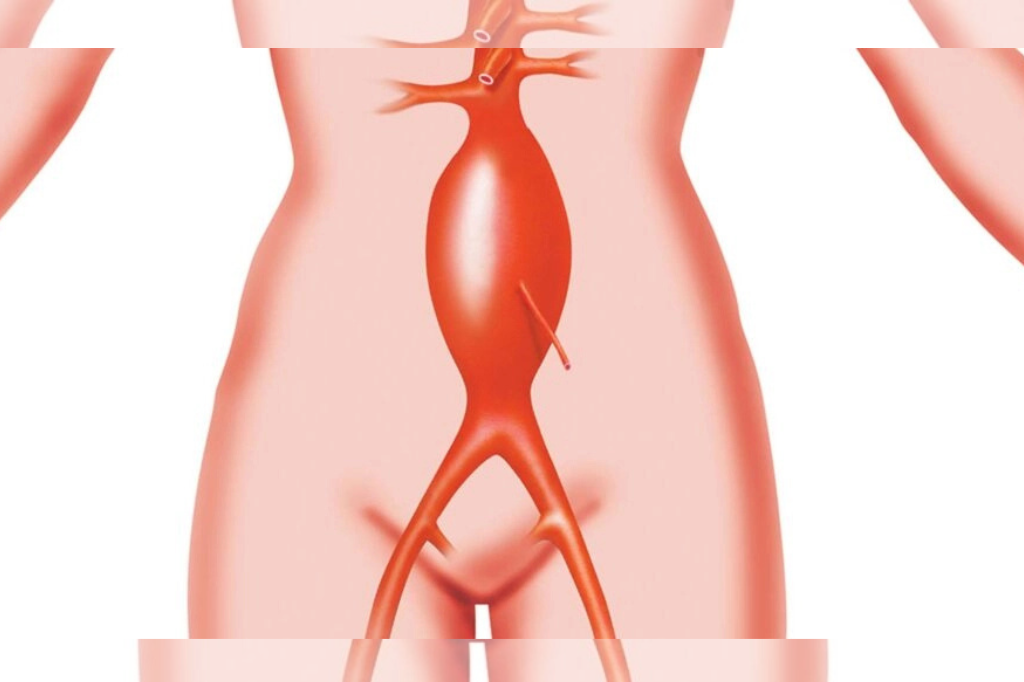
A balloon-like bulge in the abdominal part of the aorta is termed an abdominal aortic aneurysm. The aorta is a major artery of the heart that carries blood from the heart to the rest of the body through its network of smaller arteries and capillaries.
Aortic aneurysms can dissect or rupture while in the blood vessel. Dissection is the splitting of the artery wall layers due to pressure from the pumping blood leading to a leak between them.
Causes
The precise cause of an aneurysm is not known. However, it is stated that it may occur due to weak walls of the artery. The factors that help increase the risk of developing an aneurysm are:
- A patient who smokes or is a passive smoker
- Hypertensive patients
- Aneurysm has a male predilection
- Heredity
- Obesity
- High cholesterol
- People who live a sedentary lifestyle
- Lack of exercise
- Excessive drinking
An abdominal aortic aneurysm is commonly seen in males over the age of 60 and shows positive signs for one or more of the above-stated risk factors. The larger the aneurysm, the more likely it will break open or tear. This can be life-threatening.
Symptoms
Aneurysms develop slowly over many years, often being asymptomatic. However, the onset of symptoms may become rapid if the aneurysm proliferates quickly or tears open, or leaks in the blood within the blood vessel wall.
The symptoms of a ruptured aortic aneurysm are:
- Sudden, severe, persistent or constant pain in the abdomen
- Fainting
- Cold and clammy skin
- Dizziness
- Nausea and vomiting
- Rapid heart rate
- Shock
Diagnosis
The doctor first examines the abdomen and checks the pulse in the legs. The doctor may assess for the following:
- A lump in the abdomen
- Pulsation in the abdomen
- Stiff abdomen
The doctor may advise the following tests:
Treatment
There are two main lines of treatments for aortic aneurysms –
Medications reduce blood pressure and lower the risk of an aortic aneurysm.
Surgery repairs or replaces the affected section of the aorta. If the size of the aneurysm is small and the patient is asymptomatic, surgery is not required. Patients must only be monitored.
If surgery is needed, there are two types:
- Open repair surgery – involves a large incision on the abdomen, and the abnormal vessel is replaced with an allopathic graft.
- Endovascular stent grafting – It is a procedure that can be done without making a large incision on the abdomen for a speedy recovery. This is a safer choice of surgery for the aged population. Endovascular repair can fix a leaking or bleeding aneurysm.
Prevention
The formation of aneurysms can be prevented. Alternatively, if a person already has one, it can be kept from worsening. The following measures can be taken:
- Avoid smoking, drinking and using tobacco products.
- Follow a healthy diet and an active lifestyle.
- If hypertension or high cholesterol is diagnosed, take measures to control them.



+91-91466 91466
If you want to get a free consultation without any obligations, fill in the form below and we'll get in touch with you.
Request a Call Back
Our healthcare expert will contact you shortly to understand your requirements and assist you with the right care.
100% Confidential
Your information is safe and secure with us.
Quick Response
Our team will connect with you at the earliest.
Expert Guidance
Speak with our experienced healthcare professionals.
Request a Call Back
You Will Get a call within 1 hour
Your information is
safe & confidential.