
Living With a Stoma: Types, Daily Care, Diet & Recovery After Surgery
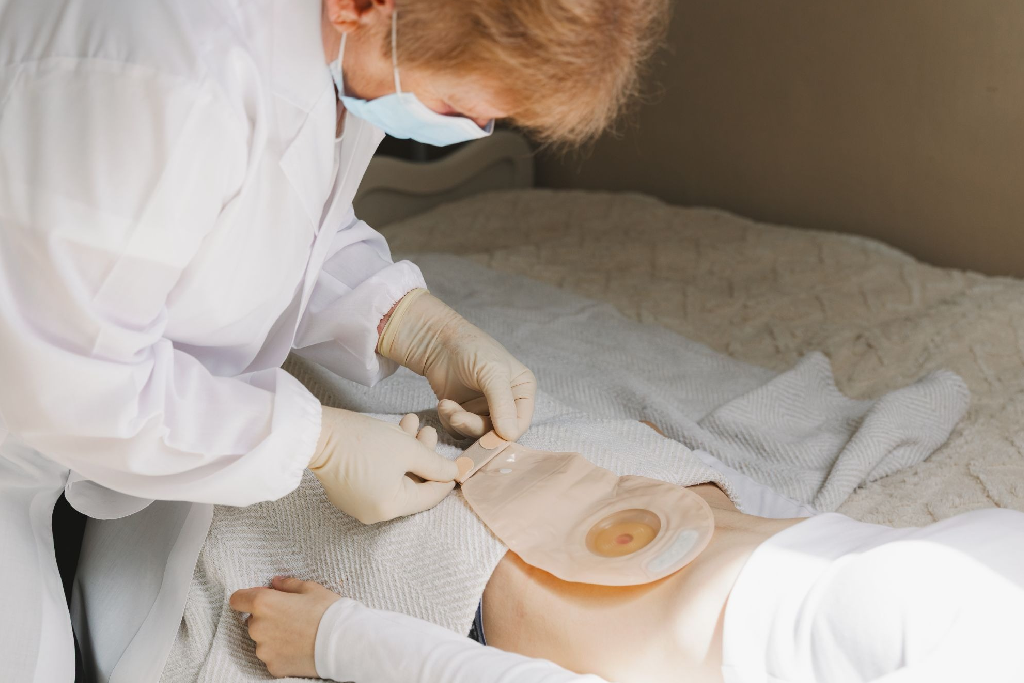
Life after stoma surgery can involve several changes, particularly during the early stages of recovery. Patients need to learn how to care for the stoma and surrounding skin, manage the pouch, recognise changes in output and gradually return to their usual diet and activities. Knowing what to expect can make these new routines easier to manage. In this article, we’ll cover the key aspects of living with a stoma, including its different types, daily care, diet, recovery and situations in which medical advice may be necessary.
What is a Stoma?
A stoma is a surgically created opening on the abdomen that allows stool or urine to leave the body through an alternative route. Surgeons create a stoma when part of the bowel or urinary system needs to be bypassed, removed or given time to heal. It may be necessary for individuals with serious bowel or urinary conditions and can help restore normal bodily function when the usual route is not available.
Depending on the procedure, the stoma may connect to the small intestine, large intestine or urinary system. Patients usually wear a pouch over the stoma to collect stool or urine.
A stoma can be:
- Temporary: Created to allow a section of the bowel to heal before the normal passage is restored.
- Permanent: Required when the normal route cannot be safely restored or when part of the bowel or urinary system has been permanently removed or altered.
Types of Stoma
The type and position of the stoma influence its output and the care it requires.
Colostomy
A colostomy connects part of the large intestine to an opening on the abdomen. Stool passes through this opening instead of leaving through the rectum.
The consistency of the output can vary depending on where the colostomy sits in the large intestine. A colostomy further along the colon may produce firmer stool, while one closer to the beginning of the colon may produce softer or more liquid output.
Ileostomy
An ileostomy connects the end of the small intestine, called the ileum, to the abdominal surface. It allows intestinal contents to pass through the stoma and into a pouch.
Ileostomy output is often softer or more liquid because it bypasses much of the large intestine, where the body normally absorbs water from intestinal contents. Patients with an ileostomy therefore need to pay particular attention to fluid intake and signs of dehydration.
Urostomy
A urostomy provides an alternative route for urine to leave the body when the bladder or part of the urinary system cannot perform its normal function.
In a common type of urostomy, surgeons use a short section of intestine to create a passage for urine. The urine then flows through the stoma into an external pouch.
Unlike a colostomy or ileostomy, a urostomy collects urine rather than stool.
Daily Stoma Care
Good stoma care helps protect the surrounding skin, maintain a secure pouch and identify problems early. A stoma nurse or surgical team can guide patients on the appropriate care routine and pouching technique.
Cleaning the Stoma and Surrounding Skin
Patients should gently clean the stoma and the skin around it according to the care instructions provided after surgery. The area should be dried carefully before applying a new pouch.
Harsh products, excessive rubbing or products that leave an oily residue can interfere with pouch adhesion or irritate the skin. Patients should follow the recommendations of their stoma care team when choosing cleansing and skin-care products.
Emptying and Changing the Stoma Pouch
The pouch should be emptied before it becomes too full, as excess weight can affect the seal and increase the risk of leakage.
When changing the pouch, patients generally need to:
- Remove the existing pouch gently.
- Clean and dry the surrounding skin.
- Check the stoma and surrounding skin for changes.
- Prepare the new pouch and opening to the appropriate size.
- Apply the pouch securely around the stoma.
The exact process depends on the pouching system. A stoma care specialist can demonstrate the correct technique and help patients find a suitable pouching system.
Protecting the Skin Around the Stoma
The skin surrounding the stoma should remain as healthy as possible. Leakage of stool or urine can cause soreness and irritation because the output can come into prolonged contact with the skin.
Patients should check for:
- Persistent redness
- Soreness or burning
- Broken or weeping skin
- Recurrent leakage
- Changes in the way the pouch adheres
Persistent skin problems should not be managed by repeatedly changing products without professional advice. A specialist can assess the cause, including pouch fit, leakage or changes in the stoma.
Monitoring the Stoma and Output
A healthy stoma is generally moist and pink or red. Patients should become familiar with its usual appearance and output so that they can recognise significant changes.
Changes in output can occur with food, fluid intake, medication and recovery. However, a sudden or significant change may require medical assessment, particularly when it occurs with abdominal pain, vomiting, swelling or other symptoms.
Diet After Stoma Surgery
Dietary needs can change during recovery. The appropriate diet depends on the type of stoma, the underlying condition, the surgery performed and the stage of recovery.
Eating During Early Recovery
After surgery, patients usually progress gradually from fluids to solid foods as advised by the surgical team. Smaller, regular meals may be easier to tolerate during the early recovery period.
Patients should:
- Eat slowly and chew food thoroughly.
- Introduce new foods gradually.
- Follow the dietary advice provided after surgery.
- Pay attention to changes in output after introducing particular foods.
There is no single diet that works for every person with a stoma. Individual tolerance can vary considerably.
Foods That May Need Caution
Some foods can increase gas, bloating or changes in stool consistency. Others may be more difficult to digest, particularly during the early stages of recovery.
Patients may need to introduce certain foods gradually and monitor how the body responds. This does not mean that patients must permanently avoid a long list of foods.
If particular foods repeatedly cause problems, a doctor or dietitian can provide individual dietary guidance rather than recommending unnecessary restrictions.
Hydration and Nutrition
Adequate fluid intake is particularly important for patients with an ileostomy because the output can contain more water. Excessive fluid loss can increase the risk of dehydration.
Patients should also maintain adequate nutrition during recovery, including sufficient calories and protein to support healing.
Signs of dehydration can include:
- Excessive thirst
- Dry mouth
- Dizziness
- Weakness
- Reduced urine output
- Dark-coloured urine
Patients with high or persistently watery stoma output may require medical advice about fluid and electrolyte replacement.
Recovery After Stoma Surgery
Recovery depends on the type of surgery, the underlying medical condition and patients’ overall health. Patients may regain strength within a few weeks, while extensive procedures may require more time.
Recovery During the Hospital Stay
During the initial recovery period, the surgical team monitors the stoma, bowel function, wound and general recovery.
Patients may also learn how to:
- Empty and change the pouch
- Clean the stoma and surrounding skin
- Monitor stoma output
- Recognise potential complications
- Maintain adequate fluid and nutritional intake
Pain, tiredness and changes in appetite can occur after major surgery. The care team can provide appropriate treatment and guidance during this period.
Recovery During the First Few Weeks
Patients generally increase their activity gradually as recovery progresses. Short periods of movement may help restore strength, while strenuous activity and heavy lifting may need to wait until the surgical team considers them safe.
Patients should also follow wound-care instructions and attend scheduled follow-up appointments. These visits allow the surgical team to assess healing, stoma function and any concerns that have developed after discharge.
Returning to Normal Activities
The time required to return to normal activities differs from one patient to another. The underlying disease and extent of surgery can significantly affect recovery.
Patients should increase activity gradually and follow their surgeon’s recommendations before returning to strenuous exercise, heavy lifting or physically demanding work.
Warning Signs That Need Medical Attention
Patients should seek prompt medical attention if they notice:
- A stoma that becomes pale, purple, dark or black
- Persistent or heavy bleeding
- Severe or worsening abdominal pain
- Persistent vomiting
- Significant swelling around the stoma or abdomen
- A sudden reduction or complete absence of stoma output
- Very high or persistently watery output
- Signs of dehydration, such as dizziness, excessive thirst or reduced urine output
- Persistent redness, soreness, broken skin or other severe irritation around the stoma
- Fever, increasing redness, swelling or discharge that may indicate an infection
At Ujala Cygnus Hospitals, our general surgeons evaluate stoma-related concerns and recommend appropriate treatment or follow-up based on the patient’s condition.
Living With a Stoma After Recovery
Once the initial healing period ends, stoma care can become part of a regular daily routine. Patients can manage their pouch, monitor output and protect the surrounding skin as part of their usual self-care.
Regular follow-up helps patients address ongoing stoma care, dietary, hydration or nutritional needs and maintain good health after surgery.
Some stomas are temporary and may be reversed once the bowel or affected area has healed. The suitability and timing of reversal depend on the original condition, type of surgery and individual recovery.
Stoma Care and Surgical Follow-Up at Ujala Cygnus
At Ujala Cygnus Hospitals, patients can consult experienced General Surgeons for stoma-related concerns and post-operative follow-up. During follow-up, surgeons assess recovery, address patient concerns, check the stoma and surrounding skin, and look for complications. When needed, diagnostic facilities help investigate symptoms and guide further treatment. For complex cases, our General Surgeons can also collaborate with colorectal surgeons or gastrointestinal surgeons to provide care tailored to the patient’s condition and surgical needs. To book a consultation, call 9146691466 or fill in the online appointment form.
FAQs
What is a stoma and why is it needed?
A stoma is a surgically created opening on the abdomen that allows stool or urine to leave the body through an alternative route. Surgeons may create one when part of the bowel or urinary system needs to be bypassed, removed or allowed to heal.
What are the different types of stoma?
The main types are colostomy, ileostomy and urostomy. A colostomy uses part of the large intestine, an ileostomy uses the small intestine, and a urostomy diverts urine through a surgically created opening.
How is a stoma bag used and cared for?
A stoma pouch collects stool or urine that passes through the stoma. Patients need to empty and change the pouch as instructed, clean and dry the surrounding skin and ensure that the pouch fits securely around the stoma.
How often should a stoma bag be changed?
The timing depends on the pouch system, stoma output and individual needs. Patients should follow the schedule advised by their stoma care team.
What foods should patients eat after stoma surgery?
Patients should follow the diet recommended by their surgical team and gradually introduce foods during recovery. Smaller meals, eating slowly and chewing food thoroughly can help with adjustment, while dietary needs vary according to the type of stoma and surgery.
Are there any foods to avoid with a stoma?
There is no universal list of foods that every patient must avoid. Some foods may cause gas, bloating or changes in output, particularly during early recovery. Patients can introduce foods gradually and discuss persistent dietary problems with a doctor or dietitian.
How long does it take to recover after stoma surgery?
Recovery depends on the type and extent of surgery, the underlying condition and the patient’s overall health. Many patients gradually resume normal activities over several weeks, while more extensive procedures may require a longer recovery period.
What is life like after stoma surgery?
Patients usually need to develop new routines for pouch care, skin care, diet and hydration. With appropriate education and follow-up, stoma care can become part of a regular daily routine, and many patients gradually return to their usual activities.
What problems or changes around a stoma should patients discuss with a doctor?
Patients should discuss persistent skin irritation, recurrent leakage, significant changes in stoma appearance or output, severe pain, vomiting, swelling, bleeding, fever or signs of dehydration with a doctor. A sudden absence of output may also require prompt assessment.
Which doctor should patients consult for stoma care and follow-up?
Patients can consult a General Surgeon for routine stoma-related concerns and post-operative follow-up. Depending on the underlying condition and type of surgery, a colorectal surgeon or gastrointestinal surgeon may provide specialised surgical assessment and treatment. The appropriate specialist depends on the patient’s condition, stoma type and previous surgery.
Can patients receive post-surgery care and guidance for a stoma at Ujala Cygnus?
Yes. Patients can consult General Surgeons at Ujala Cygnus Hospitals for post-operative assessment, stoma-related concerns and follow-up. The care plan depends on the patient’s condition, type of stoma and previous surgery.
What surgical and follow-up services are available at Ujala Cygnus for patients with a stoma?
Ujala Cygnus Hospitals provides General Surgery, Gastroenterology and colorectal surgical services for patients who require stoma-related surgical care. Depending on the condition, surgical management may include appropriate abdominal or bowel procedures and consideration of stoma reversal when clinically suitable. For follow-up, General Surgeons can monitor recovery, address stoma-related concerns and manage post-operative complications. Patients can also receive ongoing specialist care from Gastroenterology or colorectal surgeons when their condition requires further expertise.

+91-91466 91466
If you want to get a free consultation without any obligations, fill in the form below and we'll get in touch with you.
Request a Call Back
Our healthcare expert will contact you shortly to understand your requirements and assist you with the right care.
100% Confidential
Your information is safe and secure with us.
Quick Response
Our team will connect with you at the earliest.
Expert Guidance
Speak with our experienced healthcare professionals.
Request a Call Back
You Will Get a call within 1 hour
?? Your information is
safe & confidential.