Is There a Difference in the Symptoms of a Hernia between Men and Women?

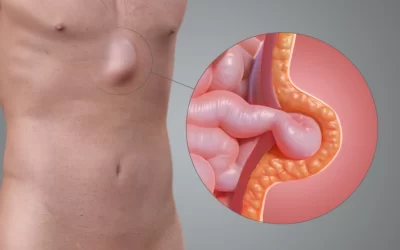
Hernias are commonly thought to be a man’s problem. However, they can affect women as well. A tissue or organ bulges through a weak point in the muscle wall that holds it in, causing a hernia . When the contents of the abdomen — usually fat or a portion of the small intestine — burst through a weak location in the lower abdominal wall into the inguinal canal in the groin region, inguinal hernias (also known as groin hernias) occur.
Hernia in Men and Women
Both men and women can get hernias. Some hernias are congenital, meaning that the Hernia or the abnormality that will lead to a hernia is present at birth. Later in age, other hernias might develop for a variety of reasons.
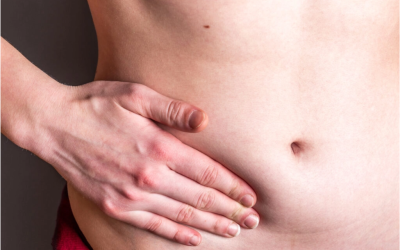
Hernias are indicated by a bulge that can be minimized in some cases. They can cause some pain and pressure, and any hernia could result in incarceration. However, certain hernias are more common in either women or men and might cause specific symptoms.
Hernia In Women
Almost all of the many types of hernias can affect both men and women. However, some forms of hernias are more common in women. Femoral hernias are more common in women than in men. The femoral artery enters the thigh from the abdominal cavity. When a part of the intestine protrudes through this narrow opening in the abdominal muscle, it is called a hernia. In the middle of the upper thigh, the Hernia may be evident. This form of Hernia is rarely reducible and is associated with a significant risk of incarceration.
A femoral hernia may or may not be evident or cause any symptoms. If you experience stomach or groin pain, nausea, or vomiting, you may have an incarcerated hernia. An obturator hernia is a kind of Hernia that is more common in women, and this is an extremely rare kind of Hernia that predominantly affects women. There is no apparent hernia since the hernia forms through the pelvic bone.
Causes Of Femoral Hernia
The causes for Femoral Hernia mainly include
- Raising or pushing heavy entities
- Suffering from persistent cough
- Problem passing urine or stool
- Giving birth
- Suffering from obesity
- Have a buildup of abdominal liquid
- Receiving peritoneal dialysis( a treatment for kidney disease)
The Hernia In Male Population
Inguinal Hernia is majorly observed in the male population, and it mainly occurs when the tissues inside the intestine push through a weak abdominal spot near the groin area. This herniated part then traverses through the groin and unravels into the scrotum.
Complication In Inguinal Hernia
Complications observed with male patients suffering from inguinal Hernia include
- Enlargement of Hernia when not repaired
- They get enlarged and extend into the scrotum
- A burning or aching sensation at the bulge.
- Ache or distress in the groin region while coughing or lifting.
Risk Factors Associated With Inguinal Hernia
The risk factor associated with Inguinal Hernia include
- Hereditary
- Persistent cough
Frequently Asked Questions (FAQs)
Large, recurrent, and complex hernias can be rectified using surgical procedures. Some hernias need general anaesthesia to be improved, and many incisional hernias can be restored using sedation and local anaesthesia, even if they are large or complex.
Hernias can be diagnosed by doing a physical examination. Hernias are questioned when a “bulge” is presently coming through a hole or defect in the muscle. In tough or complex issues, assessment by a specialist or specific tests may be suggested.
Patients suffering from heart ailment, diabetes, high blood pressure, and other medical circumstances abide by this surgical procedure very well, and many are even discharged the same day. To resolve if the medical condition is controlled, we may ask for clearance from your physician.
Patients transiting a long stretch for surgery will have a complete post-operative evaluation before they vacate for residence, either the day of surgery or the next day. Post-operative supervision and anticipations are fully examined before leaving the hospital. Since the sutures dissolve, the tiny incision does not need special care. Patients may also follow up by phone.



+91-91466 91466
If you want to get a free consultation without any obligations, fill in the form below and we'll get in touch with you.
Request a Call Back
Our healthcare expert will contact you shortly to understand your requirements and assist you with the right care.
100% Confidential
Your information is safe and secure with us.
Quick Response
Our team will connect with you at the earliest.
Expert Guidance
Speak with our experienced healthcare professionals.
Request a Call Back
You Will Get a call within 1 hour
?? Your information is
safe & confidential.