
Top 10 Calcium-Rich Foods for Stronger Bones & Improved Energy
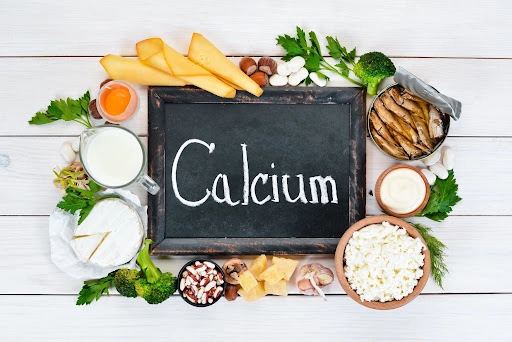
Calcium plays a key role in keeping bones and teeth strong, but its importance does not end there. It is also needed for normal muscle function, nerve signalling and blood clotting. When the body does not receive enough calcium through the diet over a prolonged period, it may draw on calcium stored in the bones to maintain essential functions. Over time, this can reduce bone density, increasing the risk of fractures and other bone-related problems. Ensuring adequate calcium intake, therefore, is essential to maintain bone health. To help you plan your diets better, here are 10 calcium-rich foods that can help you meet your daily calcium requirements.
Top 10 Calcium-Rich Foods to Add to the Diet
A varied diet can provide calcium from both dairy and plant-based sources. Including different calcium-rich foods across meals can make it easier to meet daily nutritional requirements while also providing other essential nutrients.
1. Milk
Milk is a readily available source of calcium and is commonly included in Indian diets. It also provides protein and other nutrients that support overall nutritional health. Milk can be consumed on its own or incorporated into preparations such as porridge, smoothies or cereal-based meals. Fortified varieties may provide additional calcium, so checking the nutrition label can be useful.
2. Curd or Yoghurt
Curd and yoghurt can contribute a significant amount of calcium while also providing protein. Plain curd can be included with everyday meals, while unsweetened yoghurt can be paired with fruit or used in preparations such as raita. Choosing options without excessive added sugar can support a balanced diet.
3. Paneer
Paneer is a familiar source of calcium and protein, particularly for people following vegetarian diets. It can be included in dishes such as vegetable preparations, curries or grilled meals. As paneer can also be relatively high in fat depending on how it is prepared, portion size and the overall dietary pattern should be considered.
4. Ragi
Ragi, also known as finger millet, is a calcium-rich grain commonly used in Indian cooking. It can be prepared as a porridge, dosa, roti or other traditional dishes. Along with calcium, ragi provides fibre and other nutrients, making it a useful addition to a varied diet.
5. Sesame Seeds
Sesame seeds contain calcium and can be incorporated into meals in small amounts. They can be sprinkled over salads or vegetables, added to chutneys or used in traditional preparations such as sesame-based ladoos. Since seeds are energy-dense, moderate portions are generally appropriate.
6. Soybeans and Calcium-Fortified Soy Products
Soybeans provide calcium along with plant-based protein. Tofu and other soy products can also contribute to calcium intake, particularly when they are prepared using calcium salts or fortified with calcium. The calcium content can vary considerably between products, so checking the nutrition label is advisable.
7. Green Leafy Vegetables
Certain green vegetables can contribute to calcium intake while providing fibre, vitamins and other minerals. Vegetables such as kale, broccoli and some commonly consumed Indian leafy greens can be included in curries, soups, stir-fries or other meals. However, the amount of calcium that the body absorbs varies between different vegetables.
8. Almonds
Almonds provide calcium along with protein, healthy fats, fibre and other micronutrients. A small portion can be included as part of breakfast or a snack, or added to foods such as porridge and yoghurt. Since almonds are calorie-dense, they are best consumed as part of an overall balanced diet.
9. Fish with Edible Bones
Certain fish, particularly sardines and other small fish that are eaten with their soft, edible bones, can provide a concentrated source of calcium. The bones contain much of the calcium, making these fish different from fillets where the bones are removed. They can be included in a balanced diet for people who consume fish.
10. Calcium-Fortified Foods
Calcium-fortified foods can be useful when dietary intake from naturally calcium-rich foods is insufficient. Depending on the product, these may include plant-based milk alternatives, breakfast cereals and other fortified foods. Calcium content differs between brands, so nutrition labels should be checked when selecting these products.
Required Calcium Intake Per Day
Calcium requirements are not the same for everyone. Age, sex and life stage all influence how much calcium is needed to support bone development and maintenance. The following table provides general daily calcium requirements for different groups:
| Group | Recommended calcium intake per day |
| Children (1–3 years) | 700 mg |
| Children (4–8 years) | 1,000 mg |
| Children and adolescents (9–18 years) | 1,300 mg |
| Adult men (19–70 years) | 1,000 mg |
| Adult women (19–50 years) | 1,000 mg |
| Men over 70 years | 1,200 mg |
| Women over 50 years | 1,200 mg |
| Pregnant and breastfeeding women | 1,000 mg |
Note: This is provided for general reference only. Actual calcium requirements can vary from person to person, so consulting a doctor or dietitian can help determine individual nutritional needs.
How to Support Better Calcium Absorption
The amount of calcium present in a food is not necessarily the amount the body absorbs. Supporting calcium absorption involves paying attention to vitamin D, food choices and the overall dietary pattern.
- Ensure adequate vitamin D: Vitamin D helps the intestine absorb calcium and plays an important role in maintaining calcium balance. Adequate vitamin D is therefore essential for making dietary calcium available to the body.
- Choose well-absorbed calcium sources: Calcium from different foods is absorbed at different rates. Dairy products generally provide well-absorbed calcium, while absorption from some plant foods can be affected by their natural composition.
- Maintain a varied diet: A balanced diet provides calcium alongside protein, vitamin D and other nutrients that support healthy bones and normal mineral metabolism.
- Understand the role of oxalates and phytates: These naturally occurring compounds can reduce calcium absorption from certain plant foods. However, such foods still provide valuable nutrients and do not need to be avoided.
Meeting calcium requirements is not only about how much calcium a food contains, but also about how well the body can absorb and use it.
Can Calcium-Rich Foods Prevent Calcium Deficiency?
Regularly including adequate amounts of calcium in the diet can help reduce the risk of deficiency. That said, calcium deficiency is not always linked to inadequate dietary intake. Vitamin D deficiency, problems with calcium absorption, certain medical conditions and some medicines can also affect the body’s calcium balance.
When calcium intake remains low over a prolonged period, the body may draw calcium from the bones to maintain the levels needed for essential functions. Over time, this can affect bone strength and increase the risk of bone-related problems.
It is also important not to assume that symptoms such as weakness or muscle cramps are caused by calcium deficiency, as they can have several possible causes. If calcium deficiency is suspected, consult an experienced orthopaedic doctor.
When Should You Consult an Orthopaedic Doctor for Calcium Deficiency?
Occasional tiredness or weakness does not necessarily indicate calcium deficiency. However, persistent or unexplained symptoms may need medical evaluation, particularly when they occur alongside other concerns related to muscle or bone health.
An orthopaedic doctor should be consulted when there is:
- Persistent or unexplained weakness that does not improve with adequate rest and nutrition.
- Frequent muscle cramps, spasms or unusual tingling, which may occur with disturbances in calcium levels, although they can have other causes.
- Repeated fractures or concerns about bone strength, particularly after a minor injury.
- Known conditions or medicines that may affect calcium balance, requiring periodic monitoring or nutritional assessment.
- Concerns about inadequate calcium or vitamin D intake, especially when dietary changes alone may not be sufficient.
A medical assessment can help determine whether calcium deficiency is responsible for the symptoms or whether another underlying condition needs attention. At Ujala Cygnus Hospitals, our orthopaedic doctors assess the symptoms, medical history and nutritional concerns to understand the possible cause. Depending on the findings, they may recommend blood tests, a dietary assessment or other investigations to guide appropriate care. Where needed, our orthopaedic team can also evaluate concerns related to bone health and recommend further assessment or treatment.
How Ujala Cygnus Can Help With Weak Bones
If bone health concerns are persistent or affecting daily life, seeking medical advice early can help identify the cause and guide appropriate care. At Ujala Cygnus Hospitals, our orthopaedic doctors assess each patient’s concerns individually and use advanced diagnostic facilities, including bone densitometry (DEXA), X-rays, CT scans and MRI, when clinically indicated. These investigations can provide detailed information about bone density and structural changes, helping our doctors make an accurate assessment and plan care according to the patient’s individual needs. To book a consultation with our orthopaedic team, call +91 9146691466.
FAQs
Which calcium-rich foods are best for supporting bone health?
Milk, curd, paneer, ragi, sesame seeds, calcium-set tofu, almonds and certain green leafy vegetables can contribute to daily calcium intake. Fish such as sardines, when eaten with their edible bones, are another useful source. Including a variety of these foods as part of a balanced diet can help provide the calcium needed for normal bone maintenance. Bone health also depends on adequate vitamin D, protein, physical activity and overall nutrition.
What are the best vegetarian sources of calcium?
Vegetarian diets can provide calcium through foods such as milk, curd, paneer, ragi, sesame seeds, almonds, green leafy vegetables and calcium-fortified foods. Tofu and other soy products can also be useful, particularly when they are calcium-set or fortified. Including different sources across meals can help improve overall calcium intake rather than relying on a single food.
What calcium-rich foods are suitable for a vegan diet?
For people following a vegan diet, calcium can be obtained from fortified plant-based milk, calcium-set tofu, sesame seeds, ragi, almonds and selected green vegetables. Fortified foods can be particularly useful because their calcium content is clearly stated on the nutrition label. A varied diet is important to ensure that calcium intake is accompanied by adequate protein, vitamin D and other nutrients needed for bone health.
Which foods provide both calcium and vitamin D?
There are relatively few foods that naturally provide substantial amounts of both calcium and vitamin D. Fatty fish with edible bones, such as sardines, can provide both nutrients. Fortified milk and some fortified plant-based milk alternatives may also contain both calcium and vitamin D, depending on the product. Since vitamin D is important for calcium absorption, adequate vitamin D status is an important part of maintaining bone health.
Can calcium-rich foods help prevent weak bones?
Adequate calcium intake supports normal bone formation and maintenance and can help reduce the risk of inadequate calcium intake affecting bone health. However, weak bones can have several causes, including osteoporosis, vitamin D deficiency, hormonal changes, certain medicines and other medical conditions. Calcium-rich foods are therefore an important part of prevention, but persistent concerns about bone strength should be assessed by a doctor rather than managed through diet alone.
When should I consult an orthopaedic doctor about calcium deficiency or weak bones?
An orthopaedic consultation may be appropriate when there are recurrent fractures, persistent bone or musculoskeletal pain, concerns about reduced bone strength or other symptoms that do not improve with appropriate dietary and lifestyle measures. A doctor can assess the underlying cause and recommend investigations such as bone densitometry (DEXA) or other imaging when clinically indicated. Symptoms such as weakness or muscle cramps should also not automatically be attributed to calcium deficiency, as they can have several possible causes.
Can Ujala Cygnus help with bone health and calcium deficiency?
Yes. At Ujala Cygnus Hospitals, our orthopaedic doctors can assess concerns related to bone and musculoskeletal health and recommend appropriate care based on the individual patient’s needs. Our Orthopaedics department offers diagnostic facilities including bone densitometry (DEXA), X-rays, CT scans and MRI, which can support the assessment of bone density and structural problems when clinically indicated. Patients can consult our orthopaedic team if they have concerns about weak bones, recurrent fractures or related symptoms. To book an appointment, call +91 9146691466.






+91-91466 91466
If you want to get a free consultation without any obligations, fill in the form below and we'll get in touch with you.
Request a Call Back
Our healthcare expert will contact you shortly to understand your requirements and assist you with the right care.
100% Confidential
Your information is safe and secure with us.
Quick Response
Our team will connect with you at the earliest.
Expert Guidance
Speak with our experienced healthcare professionals.
Request a Call Back
You Will Get a call within 1 hour
Your information is
safe & confidential.