Why Antibiotics Aren’t a “Cure-All”: The Hidden Dangers of Self-Medication
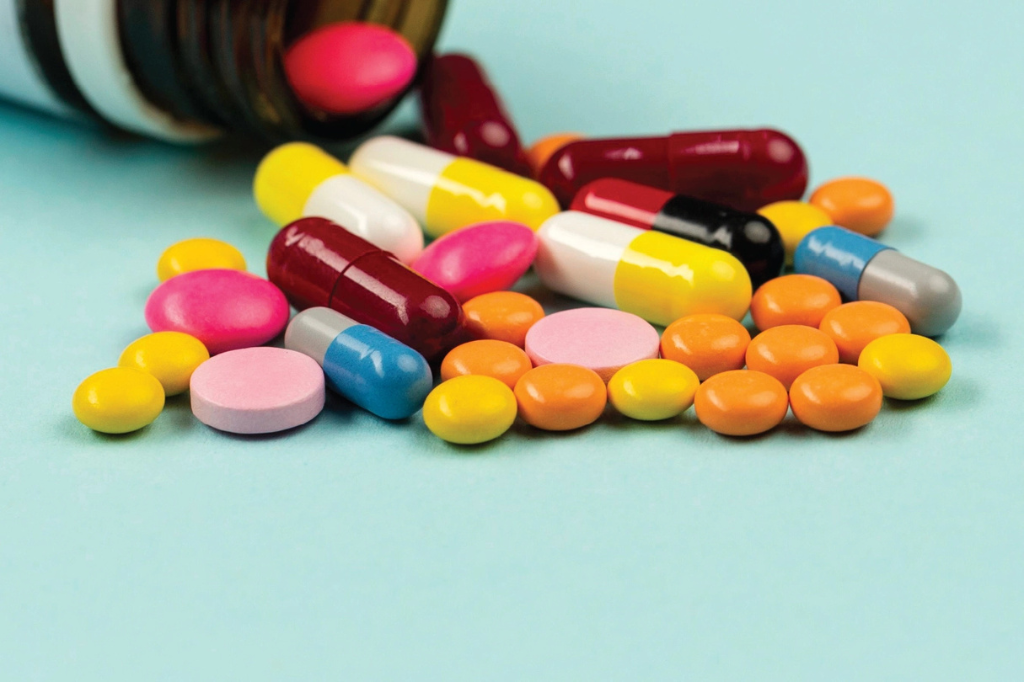
In recent years, reaching for antibiotics for every minor cough or fever has become a common but dangerous habit. While these “wonder drugs” have saved millions of lives, using them unnecessarily can do more harm than good.
When you take antibiotics without a doctor’s guidance, you aren’t just wasting money, you are helping bacteria evolve. Unnecessary use allows bacteria to mutate into “Superbugs.”
These are strains of bacteria that are resistant to standard medicine, making future infections extremely difficult, or even impossible, to treat.
As a result, when antibiotics are genuinely needed in the future, they may stop working. This can make treatment more complicated, prolonged, expensive, and in severe cases, life-threatening. Therefore, antibiotics should only be taken on a doctor’s advice, never through self-medication.
What Are Antibiotics and How Do They Work?
Antibiotics are powerful medicines used to prevent or treat bacterial infections. They work only against bacteria, not viruses.
These medicines help the body by:Killing bacteria directly, or Preventing bacteria from growing and multiplying, allowing the immune system to fight the infection effectively.It is important to understand that antibiotics do not work against viral infections
such as the common cold, flu, cough, viral fever, dengue, chikungunya, or COVID-19. Taking antibiotics for these conditions is ineffective and can be harmful. For antibiotics to work safely and effectively, they must always be taken:On a doctor’s advice
In the correct dosage For the full prescribed duration Stopping the medication midway or starting antibiotics on your own can seriously impact on your health.Use of Antibiotics: What You Should Know Antibiotics are prescribed only for specific bacterial infections. According to Dr. Manu Mahajan, Physician, Ujala Cygnus – Ujala Hospital, Kashipur, the overuse and misuse of antibiotics can have long-term negative effects on health.
Antibiotics save lives when used correctly, but misuse can turn them into a serious health threat.
Always consult a doctor before taking antibiotics and use them responsibly to protect your health and the effectiveness of these life-saving medicines.
She addresses some common and important questions related to antibiotic use:
1. When should we take antibiotics?
Antibiotics are required only for bacterial infections, such as:
Pneumonia
Severe tonsillitis
Bacterial sinusitis
Urinary tract infections
Sexually transmitted infections
Meningitis
Typhoid
They do not work for viral fevers, common colds, seasonal flu, or cough. Only a doctor can determine whether an infection is bacterial and prescribe the appropriate medication.
2. Can we recover from illnesses without antibiotics?
Yes, Antibiotics are not necessary for every illness. Most common illnesses are viral and can be managed with:
Adequate rest
Proper hydration
Nutritious food
Symptomatic treatment
3. What are the side effects of long-term antibiotic use?
Prolonged or unnecessary use of antibiotics can:
Kill beneficial gut bacteria
Weaken the immune system temporarily
Cause stomach upset, acidity, loose motions
Leading to fungal infections
Put strain on the liver and kidneys
Cause allergies
Increase the risk of antibiotic resistance
4. Do antibiotics weaken the immune system permanently?
No, Antibiotics do not weaken the immune system permanently. They may temporarily affect immunity by disturbing gut bacteria, but the immune system usually recovers once gut’s health is restored.
5. How can the immune system be restored after prolonged antibiotic use?
Simple lifestyle and dietary measures can help:
Consume yogurt, buttermilk, and fermented foods
Eat fruit and a balanced diet
Drink plenty of water
Get adequate sleep
Avoid junk food
Take probiotics if advised by a doctor
These steps help rebuild gut health and restore immunity.
6. What should we avoid while taking antibiotics?
While on antibiotics, avoid:
Alcohol
Spicy and heavy foods
Skipping meals
Excessive use of painkillers
Self-medication
Most importantly, always complete the full course of antibiotics, even if you start feeling better.
7. How long do antibiotics stay in the body?
Most antibiotics remain in the body for 12 to 72 hours after the last dose, depending on the type of medication. Its effects on the stomach may last for 2 to 7 days.
8. What are the common side effects of antibiotics?
Some people may experience side effects such as nausea, loose motions, gas, bloating, mild stomach pain, or allergic rashes. If these symptoms worsen or persist, it is important to consult a doctor immediately.
FAQ
Why should antibiotics not be taken without a doctor’s advice?
Taking antibiotics without a doctor’s advice can make the medicines ineffective, cause side effects, hide the actual illness, and increase antibiotic resistance. In any situation, this practice is not safe or beneficial for patients.
What is antibiotic resistance?
When bacteria become strong against antibiotics and the medicine stops working, this condition is called antibiotic resistance. As a result, treatment becomes difficult and less effective.
Is it necessary to complete the full course of antibiotics?
Yes, it is very important to complete the full course of antibiotics. Stopping the medicine midway can cause the infection to return. The bacteria may not be eliminated, which increases the risk of antibiotic resistance.
Can leftover antibiotics be used again?
No, leftover antibiotics should not be used. The same antibiotic may not be suitable for different illnesses and can even cause harm. Medicines can also expire after a certain period. Therefore, never use leftover antibiotics without consulting a doctor.
What are the possible side effects of antibiotics?
Antibiotics can cause side effects such as nausea or vomiting, diarrhea, stomach pain, and allergic reactions (rash, swelling, or difficulty breathing). If any of these symptoms occur, or if you notice any other severe symptoms, contact a doctor immediately.
If you have any questions related to the use of antibiotics, you can consult a doctor at your nearest Ujala Cygnus Hospital or reach out to our health experts by emailing askadoctor@ujalacygnus.com.

+91-91466 91466
If you want to get a free consultation without any obligations, fill in the form below and we'll get in touch with you.
Request a Call Back
Our healthcare expert will contact you shortly to understand your requirements and assist you with the right care.
100% Confidential
Your information is safe and secure with us.
Quick Response
Our team will connect with you at the earliest.
Expert Guidance
Speak with our experienced healthcare professionals.
Request a Call Back
You Will Get a call within 1 hour
Your information is
safe & confidential.