Advanced Pacemaker Implantation at Ujala Cygnus Hospitals
At Ujala Cygnus Hospitals, we offer comprehensive pacemaker implantation services for patients experiencing heart rhythm disorders, also known as arrhythmias. The heart relies on electrical signals to maintain a regular heartbeat. When these signals become disrupted, patients may experience dizziness, fatigue, shortness of breath, fainting episodes, or an unusually slow heartbeat.
Pacemaker implantation is a proven and effective treatment for managing certain cardiac rhythm abnormalities. The device continuously monitors the heart's electrical activity and delivers small electrical impulses when needed to maintain a healthy heart rate. This helps improve blood circulation and ensures vital organs receive an adequate supply of oxygen-rich blood.
Our cardiology team uses advanced diagnostic tools and modern implantation techniques to provide safe, precise, and personalised care. From diagnosis and implantation to long-term follow-up, we are committed to helping patients achieve better heart health and improved daily functioning.
What is Pacemaker Implantation?
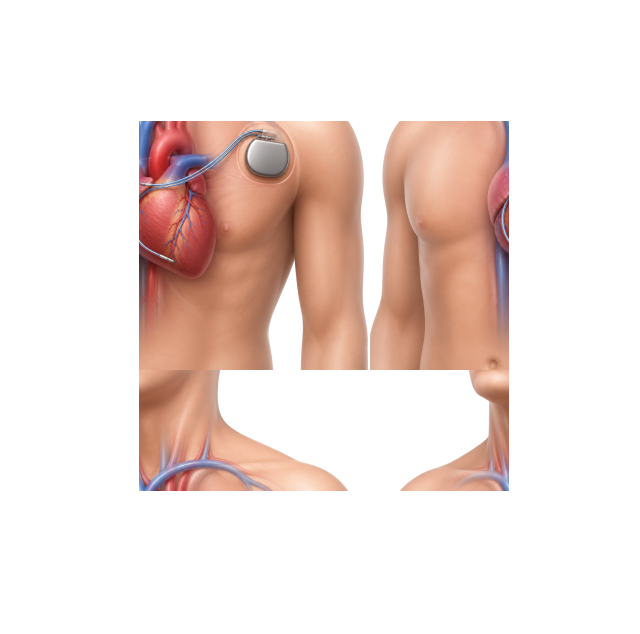
Pacemaker implantation is a minimally invasive cardiac procedure in which a small battery-powered device called a pacemaker is placed beneath the skin, usually near the collarbone. The device is connected to the heart through thin wires known as leads, which help monitor and regulate the heartbeat.
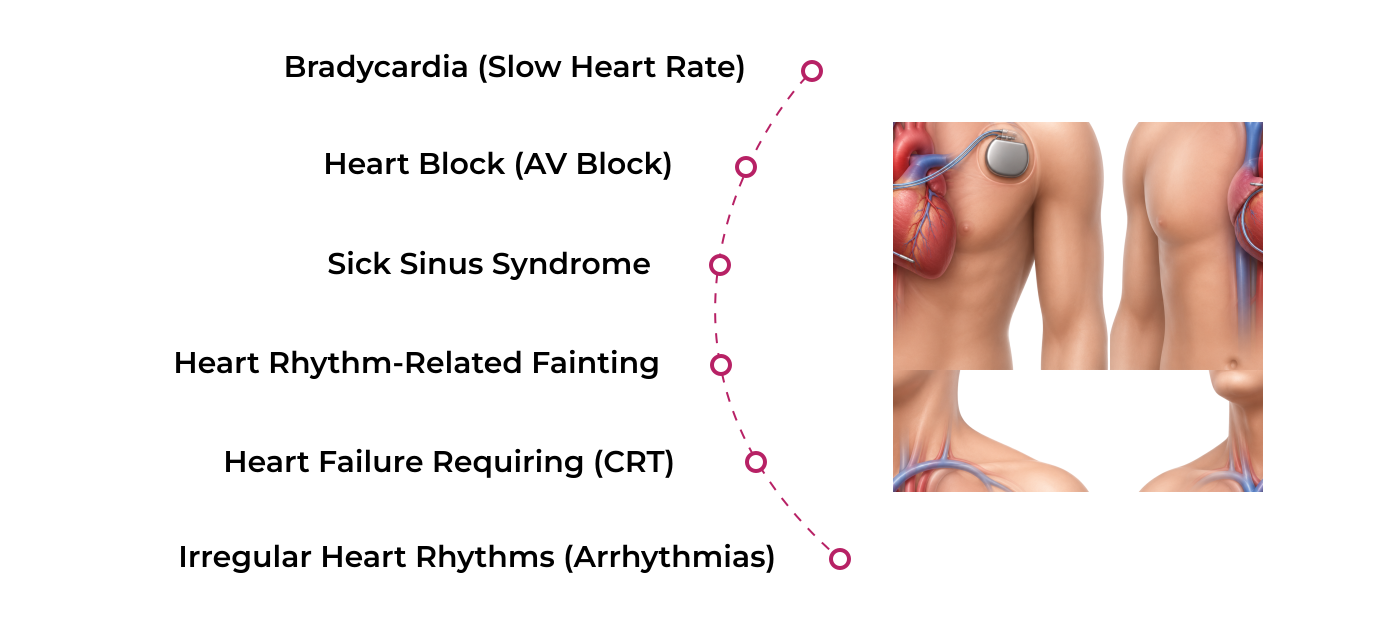
The pacemaker detects abnormal heart rhythms and sends electrical impulses whenever the heart beats too slowly or irregularly. This allows the heart to maintain a normal rhythm and pump blood efficiently throughout the body. Pacemaker implantation is commonly recommended for individuals with bradycardia, heart block, certain arrhythmias, and other conditions affecting the heart's electrical system.
Types of Pacemakers
Single-Chamber Pacemaker
This type of pacemaker uses one lead placed in either the right atrium or right ventricle to regulate heart rhythm.
Dual-Chamber Pacemaker
A dual-chamber pacemaker uses two leads to coordinate electrical signals between the upper and lower chambers of the heart.
Biventricular Pacemaker
Also known as cardiac resynchronisation therapy (CRT), this device helps improve heart function in selected patients with heart failure.
Leadless Pacemaker
A newer, minimally invasive pacemaker that is implanted directly inside the heart without traditional leads.
Rate-Responsive Pacemaker
This pacemaker automatically adjusts heart rate according to the patient's level of physical activity and body's requirements.
Temporary Pacemaker
Temporary Pacemaker Used for short-term management of certain heart rhythm disorders until a permanent solution is established.
Conditions Treated with Pacemaker Implantation
Pacemaker Implantation Procedure: What Happens During Treatment?
Benefits of Pacemaker Implantation
Pacemaker implantation offers significant benefits for patients with heart rhythm disorders by improving heart function and reducing symptoms associated with abnormal heartbeats.
- Maintains a stable and regular heart rhythm
- Reduces dizziness, fatigue, and fainting episodes
- Improves blood circulation throughout the body
- Enhances overall heart function
- Supports better physical activity and exercise tolerance
- Improves quality of life and daily functioning
- Reduces complications associated with severe bradycardia
- Provides long-term management of heart rhythm disorders
- Enables personalised heart rhythm monitoring and support
Why Choose Ujala Cygnus Hospitals for Pacemaker Implantation?

Experienced Cardiology Specialists
Our highly skilled cardiologists and cardiac electrophysiology experts have extensive experience in diagnosing and treating complex heart rhythm disorders.

Advanced Cardiac Technology
We utilise modern cardiac imaging, diagnostic equipment, and advanced pacemaker technologies to ensure safe and precise implantation procedures.

Personalised Treatment Approach
Each patient's heart condition is carefully evaluated to determine the most appropriate pacemaker type and treatment strategy.

Comprehensive Cardiac Care
From diagnosis and implantation to long-term follow-up and device monitoring, we provide complete cardiac care under one roof.
Risks and Complications of Pacemaker Implantation and How They Are Managed
Pacemaker implantation is generally a safe and well-established procedure. However, like all medical procedures, certain risks may occur.
Short-Term Risks
Infection
Infections may develop at the implantation site and are usually managed with appropriate medical treatment.
Bleeding or Bruising
Minor bleeding, swelling, or bruising around the incision site may occur after the procedure.
Lead Displacement
In rare cases, pacemaker leads may move from their original position and require adjustment.
Temporary Discomfort
Patients may experience mild soreness or discomfort near the implantation area during the initial recovery period.
Anaesthesia-Related Reactions
Although uncommon, some patients may experience minor reactions associated with sedation or anaesthesia.
Long-Term Risks
Device Malfunction
Rarely, pacemaker components may require adjustment, repair, or replacement.
Battery Depletion
Pacemaker batteries gradually wear out over time and require replacement through a planned procedure.
Lead-Related Problems
The leads connecting the pacemaker to the heart may occasionally develop issues that require medical evaluation.
Heart Rhythm Changes
Ongoing monitoring helps ensure the pacemaker continues to meet the patient's changing cardiac needs.
Scar Tissue Formation
Some patients may develop scar tissue around the device site, although significant complications are uncommon.
Managing and Reducing Risks
Thorough Pre-Procedural Assessment
Detailed evaluation helps identify potential risks and optimise treatment planning.
Skilled Cardiac Specialists
Experienced cardiologists follow established safety protocols and evidence-based implantation techniques.
Regular Device Monitoring
Routine follow-up appointments help ensure the pacemaker functions effectively and identify issues early.
Patient Education and Support
Patients receive guidance on activity restrictions, wound care, and long-term pacemaker management.
Recovery and Support After Pacemaker Implantation
Recovery after pacemaker implantation is generally smooth, and most patients can resume normal activities within a few weeks under medical guidance.
Lifestyle and Activity Management
Patients are advised to avoid strenuous upper body movements for a short period while the implantation site heals properly.
Heart-Healthy Diet
Maintaining a balanced diet supports cardiovascular health and complements ongoing cardiac treatment.
Emotional Wellbeing and Confidence
Many patients experience improved confidence and peace of mind once symptoms associated with abnormal heart rhythms are controlled.
Follow-Up Care and Pacemaker Monitoring
Regular follow-up visits allow specialists to assess device performance, adjust settings if necessary, and monitor overall heart health.
Patient Stories
Hip Replacement by
Dr. Indranil Halder

LNICU by
Dr. Rajeev Kumar

CKD Diabetes
CKD Diabetes
Knee Replacement by
Knee Replacement
TNBC Survivor by
Dr. Abid Lone
Spine Surgery by
Dr. Saurabh Kumar Sinha
Brain Surgery by
Dr. Saurabh Kumar Sinha
Hip Replacement by
Dr. Indranil Halder
NICU by
Dr. Rajeev Kumar
CKD Diabetes
CKD Diabetes
Knee Replacement by
Knee Replacement
TNBC Survivor by
Dr. Abid Lone
Spine Surgery by
Dr. Saurabh Kumar Sinha
Brain Surgery by
Dr. Saurabh Kumar Sinha
Latest Blogs








Frequently Asked Questions
What is a pacemaker and why is it needed?
A pacemaker is a small electronic device that helps regulate abnormal heart rhythms by sending electrical impulses to maintain a healthy heartbeat.
Who may require pacemaker implantation?
Pacemaker implantation may be recommended for patients with bradycardia, heart block, certain arrhythmias, sick sinus syndrome, or other heart rhythm disorders.
Is pacemaker implantation a major surgery?
Pacemaker implantation is generally considered a minimally invasive cardiac procedure and is commonly performed under local anaesthesia with sedation.
How long does a pacemaker last?
Most pacemaker batteries last between 5 and 15 years, depending on the device type and usage requirements.
Can I live a normal life with a pacemaker?
Yes. Most patients can return to normal daily activities, work, and moderate exercise after recovery, following their cardiologist’s recommendations.
Is pacemaker implantation safe?
Pacemaker implantation is a well-established and highly successful procedure with a strong safety record when performed by experienced cardiac speciali