Advanced Stomach Cancer Surgery at Ujala Cygnus Hospitals
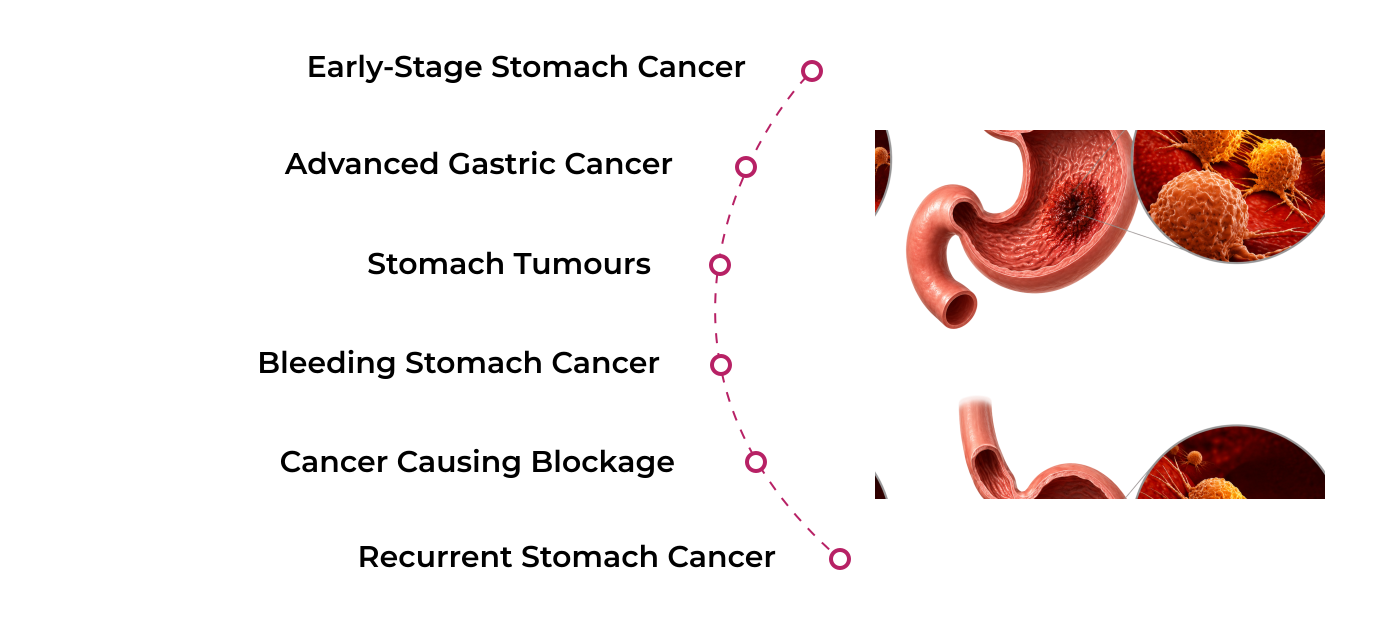
At Ujala Cygnus Hospitals, we provide comprehensive stomach cancer treatment supported by advanced surgical oncology expertise, modern diagnostic technology, and multidisciplinary cancer care. Stomach cancer, also known as gastric cancer, develops when abnormal cells grow uncontrollably in the lining of the stomach and can spread to nearby organs or lymph nodes if not treated promptly.
Our team of surgical oncologists, medical oncologists, radiation oncologists, gastroenterologists, nutritionists, and rehabilitation specialists work together to develop personalised treatment strategies based on the stage, location, and extent of the cancer. Early diagnosis and timely surgical intervention significantly improve treatment outcomes and long-term survival.
Using evidence-based treatment protocols and advanced surgical techniques, we aim to completely remove the cancer while preserving digestive function and supporting the patient's recovery and quality of life.
What is Stomach Cancer Surgery?
Stomach Cancer Surgery is a procedure performed to remove cancerous tumours from the stomach along with a margin of healthy tissue and, when necessary, nearby lymph nodes. The primary objective is to eliminate cancer cells, prevent the disease from spreading, and improve the patient's chances of long-term recovery.
Depending on the size, location, and stage of the tumour, surgery may involve removing part of the stomach (partial gastrectomy) or the entire stomach (total gastrectomy). In some cases, nearby lymph nodes and surrounding tissues may also be removed to ensure complete cancer treatment. Surgery may be used alone or combined with chemotherapy, targeted therapy, immunotherapy, or radiation therapy.
Types of Stomach Cancer Surgery
Partial Gastrectomy
This procedure involves removing the cancerous portion of the stomach while preserving the remaining healthy stomach tissue.
Total Gastrectomy
In cases where the cancer affects a large area of the stomach, the entire stomach may need to be removed, and the digestive tract is reconstructed.
Subtotal Gastrectomy
A significant portion of the stomach is removed while maintaining a small functioning section of the organ.
Lymph Node Dissection
Nearby lymph nodes are removed and examined to determine whether the cancer has spread beyond the stomach.
Minimally Invasive Gastrectomy
Laparoscopic or robotic-assisted techniques may be used in selected patients to reduce surgical trauma and promote faster recovery.
Reconstructive Digestive Surgery
Following stomach removal, reconstructive procedures help restore the continuity of the digestive system and support nutritional intake.
Conditions Treated with Stomach Cancer Surgery
Stomach Cancer Surgery Procedure: What Happens During Treatment?
Benefits of Stomach Cancer Surgery
Stomach Cancer Surgery remains one of the most effective treatments for gastric cancer and can significantly improve survival and quality of life when performed at the appropriate stage.
- Removes cancerous tumours effectively
- Helps prevent cancer progression and spread
- Improves long-term survival outcomes
- Supports accurate cancer staging
- May provide the best chance of cure in early-stage disease
- Relieves symptoms such as bleeding, pain, or obstruction
- Can be combined with chemotherapy and other treatments
- Improves overall quality of life after successful treatment
- Supports long-term cancer management and monitoring
Why Choose Ujala Cygnus Hospitals for Oral Cancer Surgery?

Experienced Surgical Oncology Team
Our highly skilled surgical oncologists have extensive experience in diagnosing and treating various types of oral cancers using evidence-based surgical techniques and multidisciplinary cancer care approaches.

Advanced Cancer Diagnosis and Surgical Technology
We utilise advanced imaging, diagnostic tools, modern operating theatres, and precision surgical techniques to support accurate tumour removal and improve treatment outcomes.

Personalised Multidisciplinary Cancer Care
Every patient receives an individualised treatment plan developed by a team of surgical oncologists, medical oncologists, radiation oncologists, reconstructive surgeons, nutritionists, and rehabilitation specialists.

Comprehensive Rehabilitation and Recovery Support
Our cancer care programme extends beyond surgery and includes nutritional guidance, speech therapy, reconstructive support, pain management, psychological counselling, and long-term follow-up care.
Risks and Complications of Stomach Cancer Surgery and How They Are Managed
Like any major cancer surgery, Stomach Cancer Surgery carries certain risks. However, careful planning, experienced surgeons, and comprehensive post-operative care help minimise complications.
Short-Term Risks
Bleeding
Bleeding may occur during or after surgery and is carefully monitored and managed by the surgical team.
Infection
There is a risk of wound or internal infection, which is generally controlled through preventive measures and antibiotics.
Pain and Discomfort
Temporary pain and discomfort are expected after surgery and are managed through appropriate pain control strategies.
Leakage at Surgical Connections
Rarely, leakage may occur where the digestive tract is surgically reconnected and may require additional treatment.
Respiratory Complications
Some patients may experience temporary breathing-related complications following major abdominal surgery.
Long-Term Risks
Nutritional Deficiencies
Patients may require lifelong nutritional monitoring, particularly after total gastrectomy.
Weight Loss
Changes in digestion may lead to unintended weight loss during recovery.
Dumping Syndrome
Some patients may experience symptoms such as dizziness, nausea, diarrhoea, or rapid heartbeat after eating.
Digestive Changes
Long-term adjustments to eating habits and dietary intake may be necessary.
Cancer Recurrence
Despite successful treatment, ongoing monitoring is essential to detect any recurrence at an early stage.
Managing and Reducing Risks
Early Diagnosis and Timely Treatment
Early intervention often results in less extensive surgery and improved outcomes.
Expert Surgical Care
Experienced oncology surgeons follow established cancer treatment protocols to maximise safety and effectiveness.
Nutritional Support
Dietitians provide personalised nutritional plans to support recovery and long-term health.
Regular Follow-Up Monitoring
Ongoing surveillance helps identify complications, nutritional concerns, and signs of recurrence at an early stage.
Recovery and Rehabilitation After Stomach Cancer Surgery
Recovery following Stomach Cancer Surgery depends on the type of surgery performed, overall health status, and individual healing capacity. A structured rehabilitation programme supports recovery and long-term wellbeing.
Diet and Nutrition
Patients often require gradual dietary adjustments after surgery. Nutrition specialists help patients adapt to smaller meals, maintain adequate calorie intake, and prevent nutritional deficiencies.
Physical Recovery and Activity
Gentle physical activity is encouraged to improve circulation, support healing, and rebuild strength following surgery.
Emotional and Psychological Wellbeing
A cancer diagnosis can have a significant emotional impact. Counselling, support groups, and family support can help patients navigate the recovery process.
Long-Term Follow-Up Care
Regular follow-up appointments, imaging studies, and nutritional assessments help monitor recovery, treatment effectiveness, and long-term cancer control.
Patient Stories
Hip Replacement by
Dr. Indranil Halder
LNICU by
Dr. Rajeev Kumar
CKD Diabetes
CKD Diabetes
Knee Replacement by
Knee Replacement
TNBC Survivor by
Dr. Abid Lone
Spine Surgery by
Dr. Saurabh Kumar Sinha
Brain Surgery by
Dr. Saurabh Kumar Sinha
Hip Replacement by
Dr. Indranil Halder
NICU by
Dr. Rajeev Kumar
CKD Diabetes
CKD Diabetes
Knee Replacement by
Knee Replacement
TNBC Survivor by
Dr. Abid Lone
Spine Surgery by
Dr. Saurabh Kumar Sinha
Brain Surgery by
Dr. Saurabh Kumar Sinha
Latest Blogs






Frequently Asked Questions
What is Stomach Cancer Surgery?
Stomach Cancer Surgery is a procedure performed to remove cancerous tumours from the stomach and surrounding tissues to treat gastric cancer and prevent its spread.
When is surgery recommended for stomach cancer?
Surgery is commonly recommended for patients with localised or potentially removable stomach cancer and may be combined with chemotherapy or other cancer treatments.
Can stomach cancer be cured with surgery?
When diagnosed at an early stage, surgery can offer the best chance of long-term disease control or cure. Outcomes depend on the stage and extent of the cancer.
How long does recovery take after stomach cancer surgery?
Recovery varies depending on the type of surgery performed, but many patients require several weeks to months for complete recovery and adaptation to dietary changes.
Will I be able to eat normally after stomach cancer surgery?
Most patients can return to eating, although dietary modifications and smaller, more frequent meals are often recommended, especially after major stomach surgery.
What are the common symptoms of stomach cancer?
Symptoms may include persistent indigestion, stomach pain, unexplained weight loss, nausea, difficulty eating, loss of appetite, fatigue, and blood in the stool.