
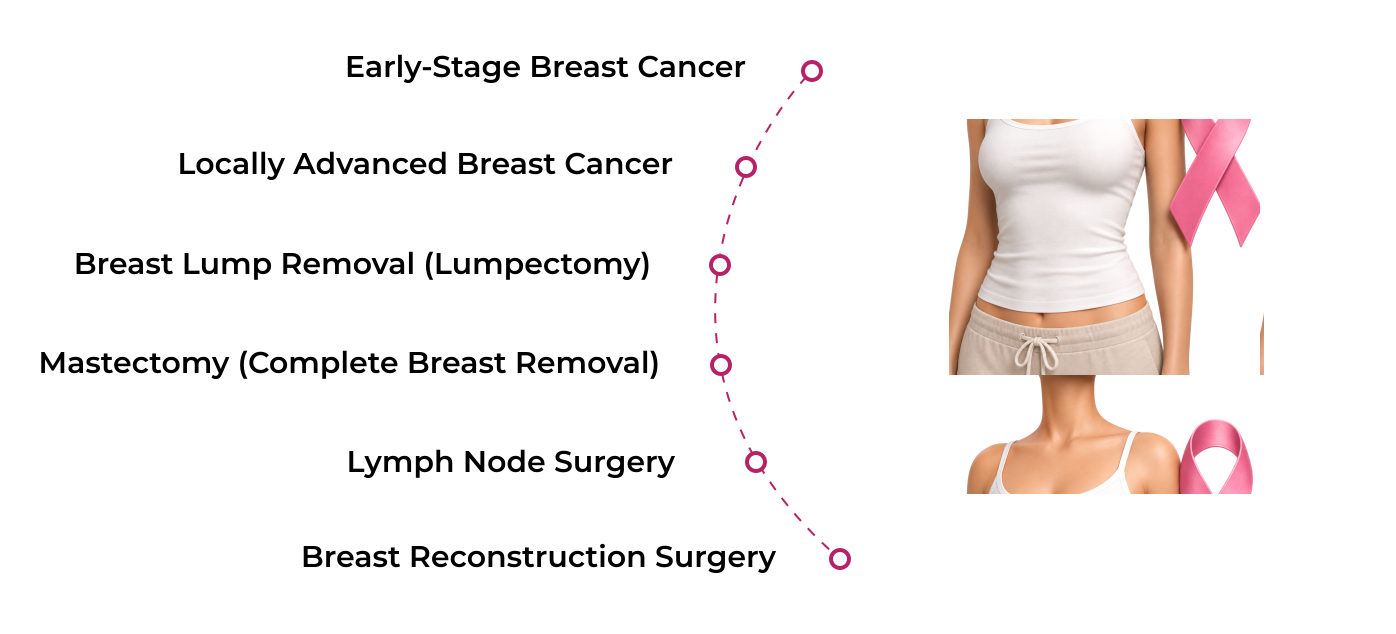
Advanced Breast Cancer Surgery at Ujala Cygnus Hospitals
At Ujala Cygnus Hospitals, we provide comprehensive breast cancer treatment with a strong focus on early diagnosis, advanced surgical care, and patient-centred recovery. Breast cancer is one of the most common cancers affecting women worldwide, and timely treatment significantly improves outcomes and quality of life.
Our multidisciplinary cancer care team includes surgical oncologists, medical oncologists, radiation oncologists, breast reconstruction specialists, radiologists, pathologists, and rehabilitation experts. Together, they create personalised treatment plans based on the type, stage, and characteristics of the cancer.
Using advanced surgical techniques, modern diagnostic technology, and evidence-based treatment protocols, we aim to remove cancer effectively while preserving breast appearance and function whenever possible. Our goal is to support patients throughout every stage of their cancer journey with compassionate and comprehensive care.
What is Breast Cancer Surgery?
Breast Cancer Surgery is a procedure performed to remove cancerous tissue from the breast. Depending on the size, location, and stage of the cancer, surgery may involve removing only the tumour, a portion of the breast, the entire breast, or nearby lymph nodes.
The primary objective of breast cancer surgery is to eliminate cancer while reducing the risk of recurrence. In many cases, surgery is combined with other treatments such as chemotherapy, radiation therapy, hormone therapy, targeted therapy, or immunotherapy to achieve the best possible outcome.
Advances in surgical oncology now allow many patients to undergo breast-conserving procedures and reconstructive surgery, helping maintain confidence, body image, and quality of life following treatment.
Types of Breast Cancer Surgery
Lumpectomy
Also known as breast-conserving surgery, a lumpectomy removes the cancerous tumour along with a small margin of surrounding healthy tissue while preserving most of the breast.
Mastectomy
A mastectomy involves removing the entire breast and may be recommended when cancer is extensive or involves multiple areas of the breast.
Skin-Sparing Mastectomy
This procedure removes breast tissue while preserving most of the breast skin, making reconstruction easier and improving cosmetic outcomes.
Nipple-Sparing Mastectomy
A specialised procedure that preserves the nipple and surrounding skin while removing the underlying breast tissue.
Sentinel Lymph Node Biopsy
This minimally invasive procedure helps determine whether cancer has spread to nearby lymph nodes.
Axillary Lymph Node Dissection
Removal of multiple lymph nodes from the underarm area when cancer spread is suspected or confirmed.
Breast Reconstruction Surgery
Performed during or after cancer surgery to restore the shape and appearance of the breast.
Conditions Treated with Breast Cancer Surgery
Breast Cancer Surgery Procedure: What Happens During Treatment?
Benefits of Breast Cancer Surgery
Breast Cancer Surgery remains one of the most effective treatment options for managing breast cancer and improving long-term outcomes.
- Removes cancerous tissue effectively
- Helps prevent cancer progression and spread
- Improves long-term survival rates
- Allows accurate cancer staging
- Supports personalised treatment planning
- May preserve breast appearance through breast-conserving surgery
- Can be combined with advanced cancer therapies
- Reduces symptoms associated with breast tumours
- Improves overall quality of life and recovery outcomes
Why Choose Ujala Cygnus Hospitals for Breast Cancer Surgery?

Experienced Breast Cancer Specialists
Our surgical oncologists have extensive expertise in diagnosing and treating various forms of breast cancer using advanced surgical techniques and evidence-based cancer care.

Advanced Cancer Care Technology
We utilise modern imaging systems, minimally invasive surgical approaches, and state-of-the-art oncology facilities to deliver precise and effective treatment.

Personalised Multidisciplinary Treatment
Every patient benefits from a collaborative approach involving breast surgeons, medical oncologists, radiation oncologists, pathologists, radiologists, and rehabilitation specialists.

Comprehensive Recovery and Rehabilitation Support
From diagnosis through treatment and survivorship, our team provides continuous support including counselling, nutritional guidance, physiotherapy, and breast reconstruction services.

Risks and Complications of Breast Cancer Surgery and How They Are Managed
While Breast Cancer Surgery is generally safe and effective, some risks may occur depending on the extent of surgery and individual health factors.
Short-Term Risks
BleedingMinor bleeding may occur during or after surgery and is closely monitored by the healthcare team.
InfectionSurgical site infections can develop but are typically prevented through appropriate wound care and antibiotics.
Pain and DiscomfortTemporary pain, swelling, and tenderness are common during the recovery period.
Fluid Collection (Seroma)Fluid may accumulate near the surgical site and occasionally requires drainage.
Limited Arm MovementPatients undergoing lymph node surgery may experience temporary stiffness or reduced shoulder mobility.
Long-Term Risks
Lymphoedema
Swelling of the arm can occur if lymph nodes are removed or damaged during treatment.
Scarring
Visible scarring may develop following surgery, although modern techniques help minimise cosmetic impact.
Changes in Breast Appearance
The size, shape, or symmetry of the breast may change after surgery.
Numbness or Sensory Changes
Some patients experience altered sensation around the breast or underarm area.
Cancer Recurrence
Although surgery aims to remove all cancerous tissue, ongoing monitoring remains essential.
Managing and Reducing Risks
Early Detection and Treatment
Early-stage breast cancer often requires less extensive surgery and offers better outcomes.
Advanced Surgical Techniques
Modern breast-conserving and reconstructive approaches help reduce complications and improve recovery.
Post-Surgical Rehabilitation
Physiotherapy and rehabilitation programmes support arm mobility and reduce the risk of long-term complications.
Regular Follow-Up Monitoring
Scheduled follow-up appointments help detect recurrence early and monitor overall health.
Recovery and Rehabilitation After Breast Cancer Surgery
Recovery varies depending on the type of surgery, overall health, and any additional cancer treatments required.
Diet and Nutrition
A balanced diet rich in protein, vitamins, and essential nutrients supports wound healing, recovery, and overall wellbeing during treatment.
Physical Activity and Rehabilitation
Gentle exercises and physiotherapy help restore shoulder movement, reduce stiffness, and improve strength following surgery.
Emotional and Psychological Support
Breast cancer treatment can affect emotional wellbeing. Counselling, support groups, and family involvement play an important role in recovery.
Breast Reconstruction and Body Image Support
Patients considering reconstruction receive guidance on available options to help restore confidence and quality of life.
Follow-Up Care and Cancer Surveillance
Regular follow-up visits, imaging studies, and clinical examinations help monitor recovery and detect any signs of recurrence.
Patient Stories
Hip Replacement by
Dr. Indranil Halder

LNICU by
Dr. Rajeev Kumar

CKD Diabetes
CKD Diabetes
Knee Replacement by
Knee Replacement
TNBC Survivor by
Dr. Abid Lone
Spine Surgery by
Dr. Saurabh Kumar Sinha
Brain Surgery by
Dr. Saurabh Kumar Sinha
Hip Replacement by
Dr. Indranil Halder
NICU by
Dr. Rajeev Kumar
CKD Diabetes
CKD Diabetes
Knee Replacement by
Knee Replacement
TNBC Survivor by
Dr. Abid Lone
Spine Surgery by
Dr. Saurabh Kumar Sinha
Brain Surgery by
Dr. Saurabh Kumar Sinha
Latest Blogs







Frequently Asked Questions
What is Breast Cancer Surgery?
Breast Cancer Surgery is a treatment used to remove cancerous tissue from the breast and prevent the disease from spreading to other parts of the body.
What are the different types of Breast Cancer Surgery?
Common procedures include lumpectomy, mastectomy, sentinel lymph node biopsy, axillary lymph node dissection, and breast reconstruction surgery.
Is Breast Cancer Surgery always necessary?
Surgery is often a key part of breast cancer treatment, although the exact approach depends on the type, stage, and characteristics of the cancer.
How long does recovery take after Breast Cancer Surgery?
Most patients recover within a few weeks, but complete recovery may take several months depending on the extent of surgery and additional treatments.
Can breast reconstruction be performed after cancer surgery?
Yes. Breast reconstruction may be performed immediately after surgery or at a later stage depending on the patient’s treatment plan and preferences.
What are the warning signs of breast cancer?
Common symptoms include a breast lump, changes in breast shape, nipple discharge, skin dimpling, nipple inversion, persistent breast pain, or swelling in the underarm area.