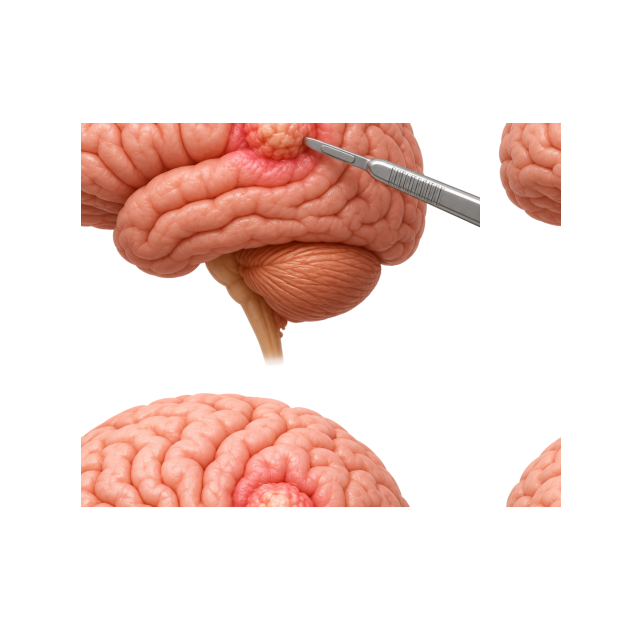
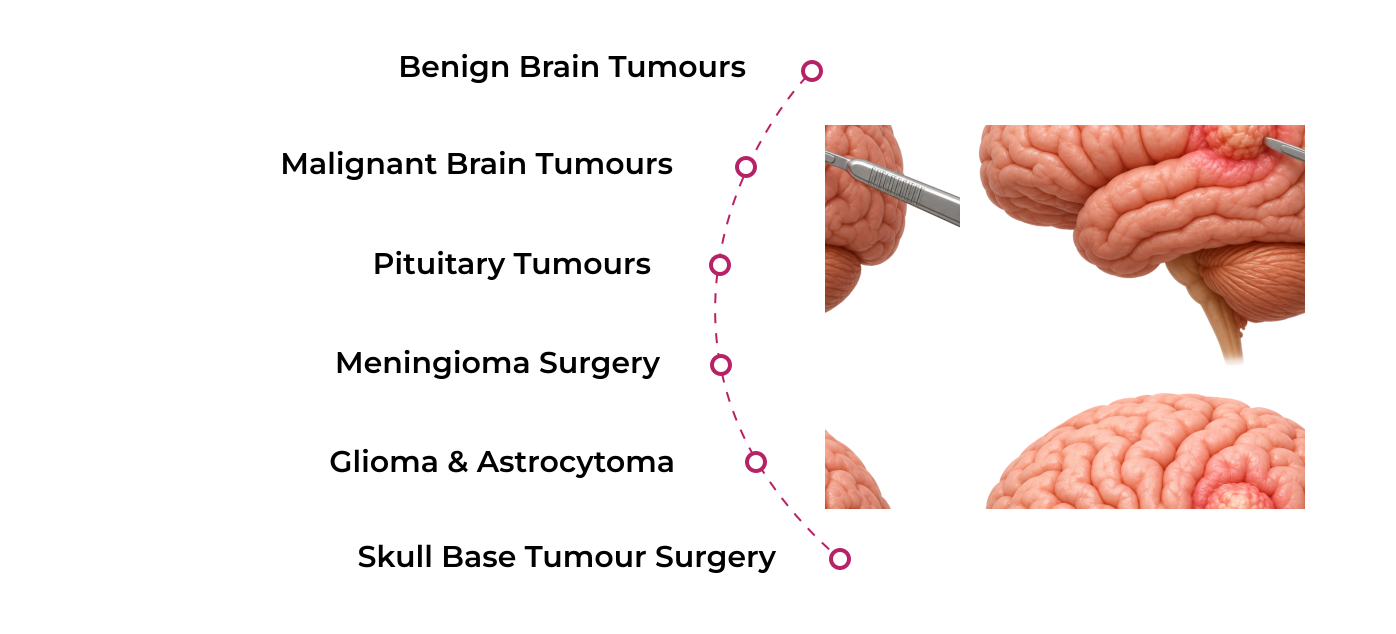
Advanced Brain Tumour Surgery at Ujala Cygnus Hospitals
At Ujala Cygnus Hospitals, we provide advanced brain tumour surgery for patients diagnosed with various types of brain tumours affecting different regions of the brain. Brain tumours can interfere with essential functions such as movement, speech, vision, memory, balance, and cognition, making timely diagnosis and treatment crucial.
Our multidisciplinary neuro-oncology team includes neurosurgeons, neurologists, medical oncologists, radiation oncologists, neuroradiologists, rehabilitation specialists, and critical care experts who work together to deliver personalised treatment plans. Every patient undergoes a thorough evaluation to determine the size, location, type, and extent of the tumour before treatment planning begins.
Using state-of-the-art neurosurgical technology, advanced imaging guidance, and minimally invasive approaches whenever appropriate, our team focuses on achieving maximum tumour removal while preserving healthy brain tissue and neurological function.
What is Brain Tumour Surgery?
Brain Tumour Surgery is a procedure performed to remove a brain tumour or obtain tissue samples for diagnosis. Depending on the tumour's size, type, and location, surgery may involve complete tumour removal, partial removal, or biopsy to determine the most appropriate treatment strategy.
The procedure helps reduce symptoms caused by increased pressure within the skull, improve neurological function, confirm the diagnosis, and enhance the effectiveness of additional treatments such as radiation therapy, chemotherapy, targeted therapy, or immunotherapy. Brain tumour surgery is often a critical component of a comprehensive treatment plan for both benign and malignant brain tumours.
Types of Brain Tumour Surgery
Craniotomy
The most common brain tumour surgery in which a section of the skull is temporarily removed to access and remove the tumour.
Awake Brain Surgery
A specialised procedure performed while the patient remains partially awake, allowing surgeons to monitor speech, movement, and critical brain functions during tumour removal.
Stereotactic Brain Biopsy
A minimally invasive procedure used to obtain a tissue sample from the tumour for laboratory analysis and diagnosis.
Endoscopic Brain Surgery
A minimally invasive approach using specialised instruments and a camera to access and remove selected brain tumours through small openings.
Skull Base Tumour Surgery
A highly specialised procedure used to remove tumours located at the base of the skull while preserving nearby nerves and blood vessels.
Minimally Invasive Brain Tumour Surgery
Advanced surgical techniques that utilise smaller incisions and precise navigation systems to minimise trauma and support faster recovery.
Conditions Treated with Brain Tumour Surgery
Brain Tumour Surgery Procedure: What Happens During Treatment?
Benefits of Brain Tumour Surgery
Brain Tumour Surgery can play a crucial role in improving symptoms, controlling tumour growth, and enhancing overall quality of life.
- Removes or reduces tumour burden
- Relieves pressure on the brain
- Improves neurological symptoms
- Helps restore speech, movement, and cognitive function
- Provides an accurate diagnosis through tissue analysis
- Supports effective cancer treatment planning
- Improves quality of life and daily functioning
- May reduce the need for emergency interventions
- Increases the effectiveness of additional treatments such as radiation therapy and chemotherapy
Why Choose Ujala Cygnus Hospitals for Brain Tumour Surgery?

Experienced Neurosurgical Specialists
Our highly trained neurosurgeons have extensive experience in treating complex brain tumours using advanced surgical techniques and evidence-based care.

Advanced Neurosurgical Technology
We utilise modern operating theatres, neuronavigation systems, high-resolution imaging, and precision surgical equipment to improve safety and outcomes.

Comprehensive Neuro-Oncology Care
Comprehensive Neuro-Oncology Care
Patients benefit from coordinated care provided by neurosurgeons, neurologists, oncologists, rehabilitation experts, and critical care specialists.

Personalised Treatment and Rehabilitation
Every treatment plan is tailored to the patient's tumour type, location, health status, and recovery goals to ensure the best possible outcome.
Risks and Complications of Brain Tumour Surgery and How They Are Managed
As with any major neurosurgical procedure, Brain Tumour Surgery carries certain risks. However, modern surgical techniques and specialist expertise help minimise complications.
Short-Term Risks
Bleeding
Bleeding may occur during or after surgery and is carefully monitored by the surgical team.
Infection
There is a risk of infection involving the wound or brain tissues, which is managed with preventive measures and antibiotics.
Swelling of the Brain
Temporary brain swelling may occur following surgery and is managed with medications and monitoring.
Seizures
Some patients may experience seizures after surgery and may require anti-seizure medications.
Neurological Symptoms
Temporary weakness, speech difficulties, vision changes, or balance problems may occur depending on the tumour location.
Long-Term Risks
Persistent Neurological Deficits
Some patients may experience long-term changes in movement, sensation, speech, memory, or coordination.
Tumour Recurrence
Certain brain tumours may return after treatment and require ongoing monitoring or additional therapy.
Hormonal Imbalances
Tumours affecting the pituitary gland or nearby structures may impact hormone production.
Cognitive Changes
A small number of patients may experience changes in memory, concentration, or thinking abilities.
Need for Additional Treatment
Radiation therapy, chemotherapy, or targeted therapies may still be required after surgery.
Managing and Reducing Risks
Advanced Surgical Planning
Detailed imaging and pre-operative assessment help surgeons plan the safest and most effective approach.
Precision Neurosurgical Techniques
Modern technology assists in maximising tumour removal while preserving healthy brain tissue.
Continuous Monitoring
Patients are closely monitored during and after surgery to identify and manage complications promptly.
Comprehensive Rehabilitation
Physical therapy, occupational therapy, speech therapy, and neurological rehabilitation support recovery and functional improvement.
Recovery and Rehabilitation After Brain Tumour Surgery
Recovery following Brain Tumour Surgery depends on the size and location of the tumour, the extent of surgery, and the patient's overall health. Comprehensive rehabilitation is often an important part of the recovery process.
Nutrition and Recovery Support
A balanced diet rich in essential nutrients supports healing, immune function, and overall recovery after surgery.
Physical Rehabilitation
Physiotherapy helps improve strength, balance, mobility, and coordination for patients experiencing neurological symptoms.
Cognitive and Speech Therapy
Patients with speech, memory, or cognitive difficulties may benefit from specialised rehabilitation programmes designed to restore function.
Emotional and Psychological Wellbeing
Support from psychologists, counsellors, family members, and support groups can help patients cope with the emotional challenges associated with brain tumour treatment.
Follow-Up Care and Monitoring
Regular MRI scans, neurological evaluations, and oncology consultations are essential for monitoring recovery and detecting tumour recurrence at an early stage.
Patient Stories
Hip Replacement by
Dr. Indranil Halder
LNICU by
Dr. Rajeev Kumar
CKD Diabetes
CKD Diabetes
Knee Replacement by
Knee Replacement
TNBC Survivor by
Dr. Abid Lone
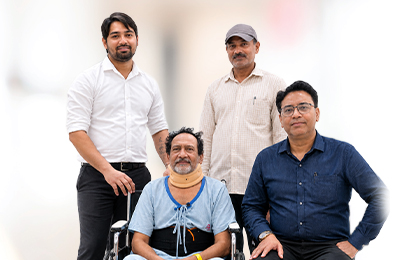
Spine Surgery by
Dr. Saurabh Kumar Sinha
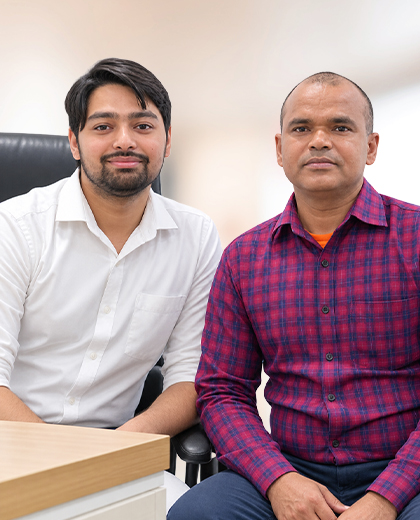
Brain Surgery by
Dr. Saurabh Kumar Sinha
Hip Replacement by
Dr. Indranil Halder
NICU by
Dr. Rajeev Kumar
CKD Diabetes
CKD Diabetes
Knee Replacement by
Knee Replacement
TNBC Survivor by
Dr. Abid Lone
Spine Surgery by
Dr. Saurabh Kumar Sinha
Brain Surgery by
Dr. Saurabh Kumar Sinha
Latest Blogs






Frequently Asked Questions
What is Brain Tumour Surgery?
Brain Tumour Surgery is a neurosurgical procedure performed to remove or reduce a tumour within the brain and improve symptoms, diagnosis, and treatment outcomes.
Is Brain Tumour Surgery always necessary?
Not all brain tumours require surgery. The treatment approach depends on the tumour type, size, location, growth rate, symptoms, and overall patient health.
How long does Brain Tumour Surgery take?
The duration varies depending on the complexity of the tumour and the surgical approach. Some procedures may take several hours to complete.
What is the recovery time after Brain Tumour Surgery?
Recovery varies from patient to patient. Many individuals require several weeks for initial recovery, while complete rehabilitation may take several months.
Can a brain tumour return after surgery?
Some brain tumours can recur even after successful treatment. Regular follow-up imaging and medical monitoring help detect recurrence early.
What are the symptoms of a brain tumour?
Common symptoms may include persistent headaches, seizures, weakness, vision changes, speech difficulties, memory problems, balance issues, nausea, and personality changes.